Category Archives: Gardening

The Battle for Blue

When you’re blue and you don’t know what to do…

The battle for blue hydrangeas is one I waged for many years. It’s true that certain hydrangeas change their flower color depending on whether the soil veers toward the alkaline or acidic, and they fluctuate between pink and blue, with all sorts of shades in-between. It’s a lesson in science as much as beauty, and that is the crux that appeals to my scientific aesthete.

We haven’t had blue flowers from our hydrangeas in a very long time. Hell, we haven’t had ANY flowers from most of our hydrangeas in many years, but back when we did I amended the soil with all sorts of random metal objects in an effort to get them to go true-blue. Screws, nails, washers, paper clips – anything that could rust got littered about the base of our plants. I tried coffee grounds and soil acidifiers too, but no matter how much I tried, we ended up with pink so I gave up. Those super-saturated shades of deep blue seemed to only be found in the beautiful yards of Cape Cod or coastal communities. Sometimes, you just can’t force nature. Pink was perfectly acceptable – if not glorious in its own right, and I’ve never had a problem with pink so why start now?
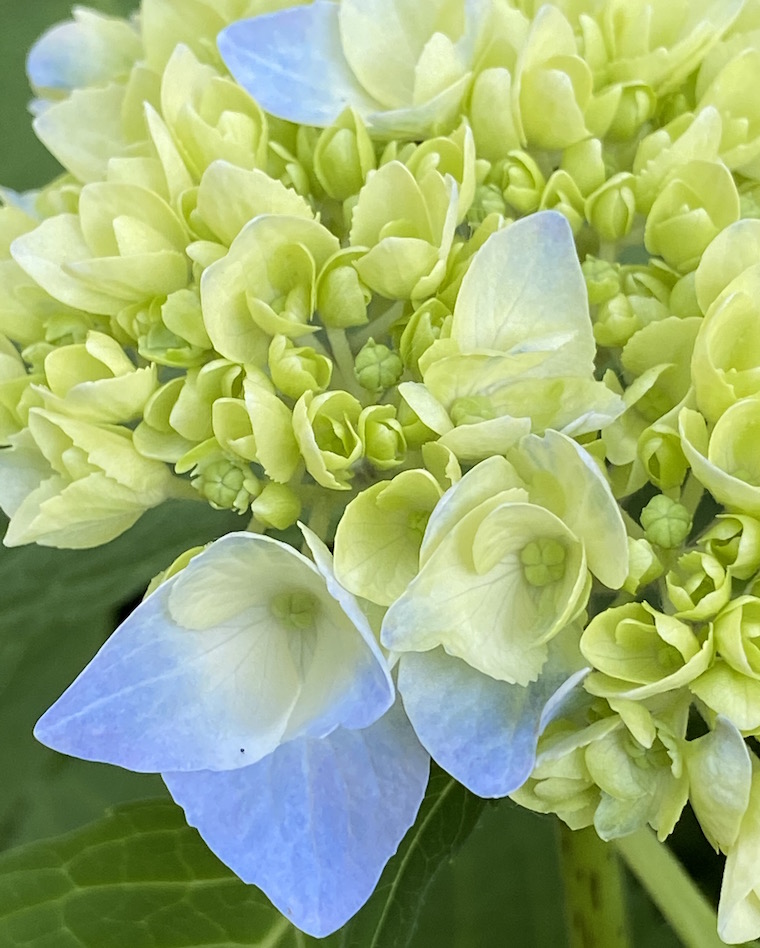
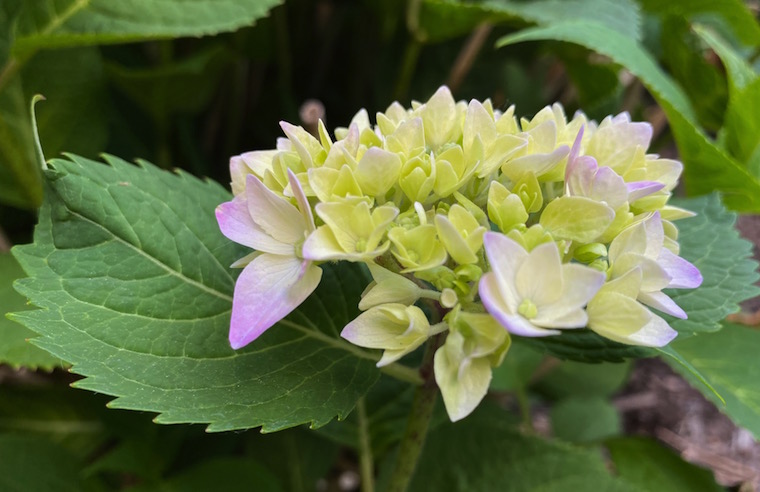
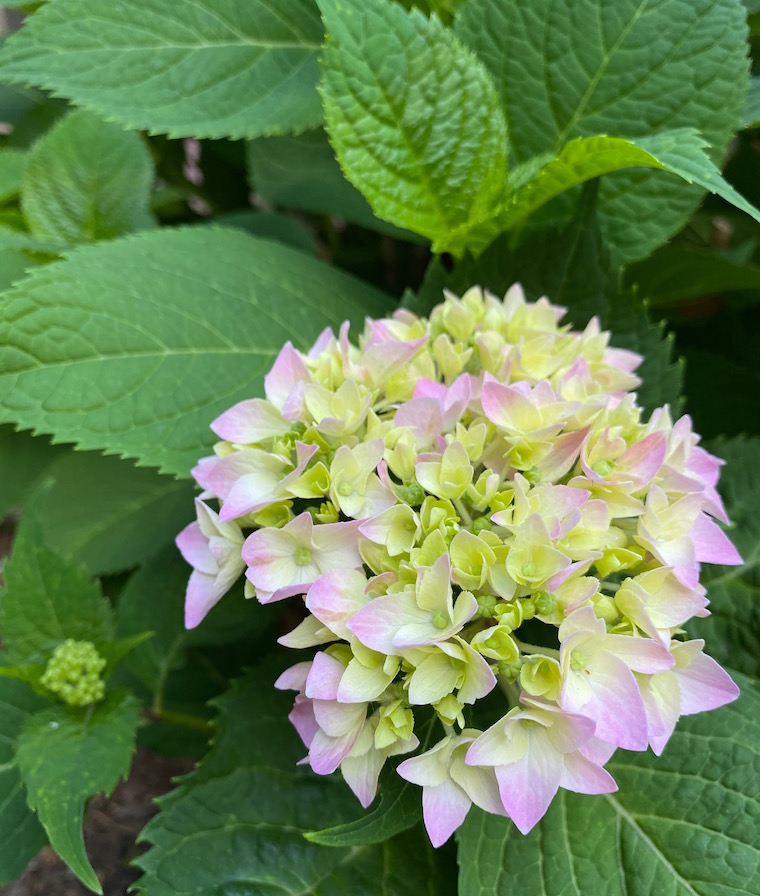
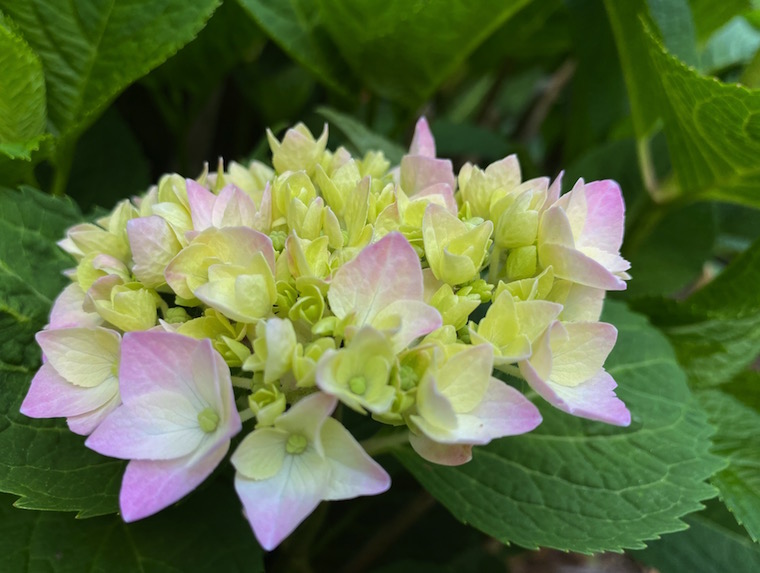
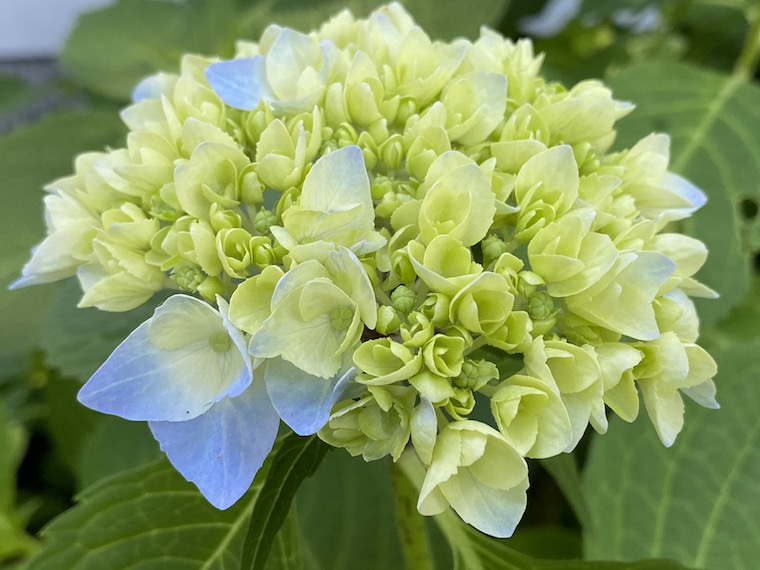
This year, however, one of our backyard plants – which are the ones that haven’t bloomed in over a decade – suddenly sent out some flowerheads, and as you can see here, they are starting off with the faintest hint of blue, so I have hope we may get some bluish shades after all this time. Maybe those screws finally rusted enough to have made an impact. Whatever the case, I’m thrilled with the result.

True blue, baby, I love you…
Continue reading ...

Our Old Pal Clem

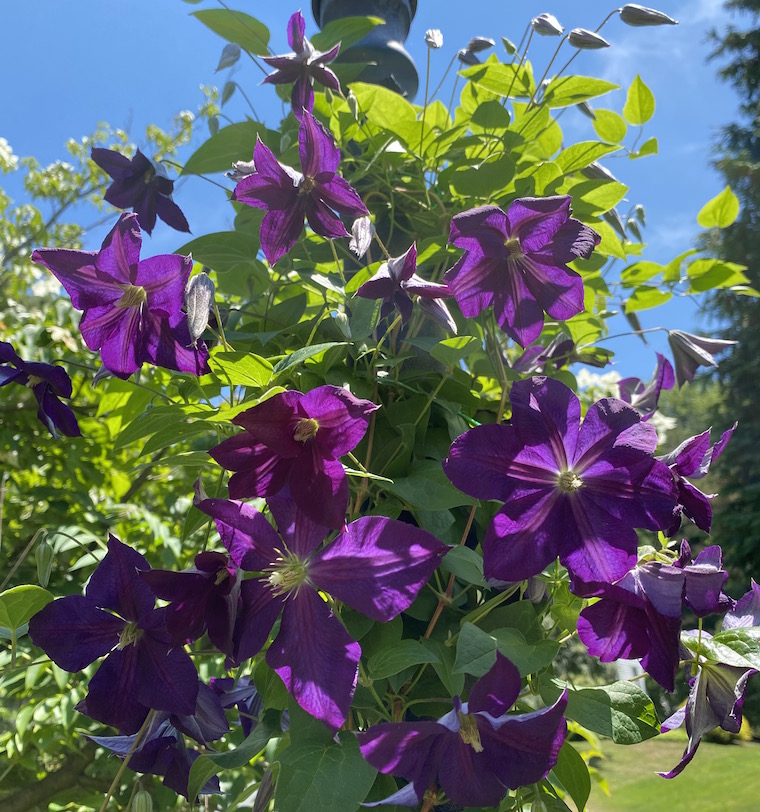
Clem has been with us for about as long as we’ve lived in this house – since 2002 – when I planted her beside the lamp post like every good soldier of suburbia did at some point. The common purple clematis vine was once used to run up every mailbox post or other similar structure, and could be counted on to provide this gorgeous show of color every June. As such, I didn’t give it much care or concern, and, to my disgrace, I am loathe to admit I didn’t do a damn thing for her for several years. 

My attention and time and manure was given to her step-sister, the sweet autumn clematis, which stole the show in August and September, when flowers were really appreciated, not lost in the big June shuffle. The sweet autumn clematis also ran up twenty feet into the air, leaving its clumsy purple cousin in the dust. Yet this year the sweet one gave up its decade-plus-run and decided not to return after winter whereas the common purple variety beside the lam post came back as it did every year. And so, guided by its perseverance, inspired by its longevity and spirit, I took care to tie it as it ran up the lamp post, something I hadn’t done for years. (If you miss tying it up from the beginning, it will sprawl and contort itself into a vine of such odd angles and turns it proves impossible to tie up in any vertical manner.) 

I helped it climb about six feet then it started sending out a proliferation of flower buds, which soon exploded into the violet stars you see here. When lit by the summer sun, they are a stunning sight to behold. I will begin a fertilizing regime to keep it going and better prepare it for next year’s show. It may take eighteen years, but eventually I can learn. The reward was this magnificent display, taking our old and ugly lamp post and transforming it into a thing of whimsical loveliness. 

Continue reading ...

When A Small Bloom Packs a Powerful Punch

Not in fragrance or stature, size or volume, this Rose campion, a variety of Lychnis, packs its powerful punch simply from its color alone. It’s striking blend of fuchsia, magenta and rose contrasts stunningly with its subtle and elegant gray-and-silver-green leaves, which have an intriguing furry texture lending further allure. As mentioned, the flowers alone are small, held aloft on slender stems that rise from a short mound of leaves, and then go to seed in the slender form of a poppy seed-head (like little salt shakers). These disperse the seeds, which are generally pretty prolific, ensuring the continued legacy of their biennial form. 

I planted one of these many years ago, entranced solely by the color of the blooms, not expecting them to last beyond two or three seasons, but they have persisted, and quite powerfully. Seeded biennials produce a crop of leaves the first year, then flower the second, producing a big batch of seeds to carry on. As a lover of perennials, I found such unpredictability annoying, but like foxgloves and hollyhocks, they have proven perennially satisfying. Their smaller stature also means that while they may not grow precisely where they are wanted, I can live with their malleable direction. Flexibility is required when dealing with certain plants, and the color they produce is worth it. 

Continue reading ...

Happy Hydrangeas

We have about seven large plant stands of hydrangeas – most of them the ‘Endless Summer’ variety that was all the rage a number of years ago – and though I managed to coax them all into one or two blooms every once in a great while, only the plants in the front of the sun where all the sun goes ever reliably bloomed every year. The backyard plants would, if we were lucky, put forth one or two paltry flowerheads a piece, and for the past several years they’ve done nothing but produce foliage. 

I haven’t minded much since their foliage is handsome, and they grow so large they become architectural elements that frame the house and a side entry-gate. I was somewhat annoyed at the fact that we couldn’t keep them on the blue side of their color range – our soil just would not keep them blue, no matter how many coffee grounds, rusty metal objects, or soil acidifiers I showered upon them.

Don’t get me wrong – I love pink – and a rosy-hued hydrangea flower is better than no hydrangea flower at all – but I did give up on pampering and cajoling them into bloom. It was also possible that our weather pattern killed off the buds that were present in the winter. We always got weird stretches of wickedly freezing temps for unprotected stretches of time, ensuring that even those that survived the enormity of a winter season would be felled by a few quick days of all-killing cold. ‘Endless Summer’ was supposed to flower on both old and new wood, but it did seem to favor old wood, if it managed to keep its buds intact.

This year, with a relatively mild winter, I left the old wood standing instead of pruning it all off like I normally would, and for the first time in at least a decade, most of our bushes have a multitude of blooms forming. While these, the first to bloom, are decidedly pink, there are bluish ones coming up in the backyard (worthy of their own post soon enough). 

Perhaps the world makes up for its cruelty in this small way. I’ll take whatever bit of beauty is afforded right now. (Stay tuned for that blue one!)

Continue reading ...

No More Side-eye for This Side-yard

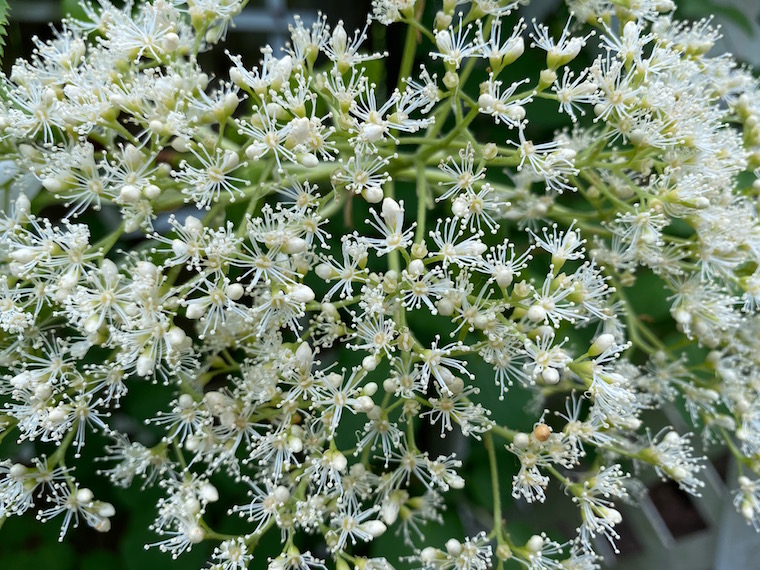
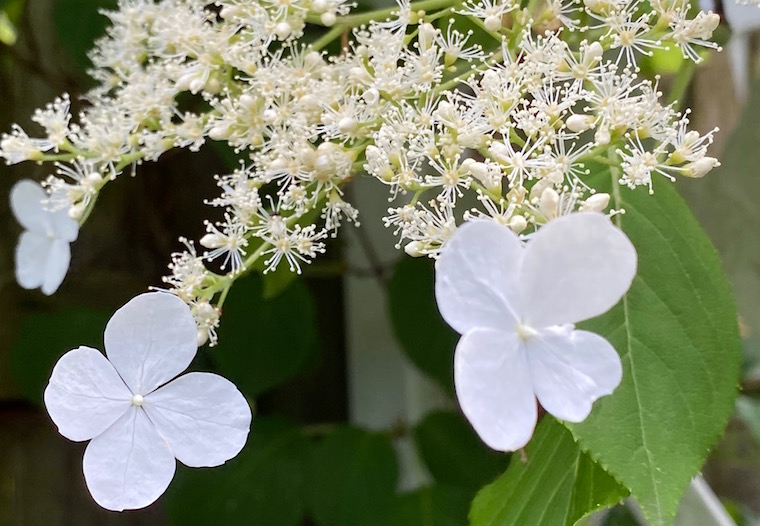
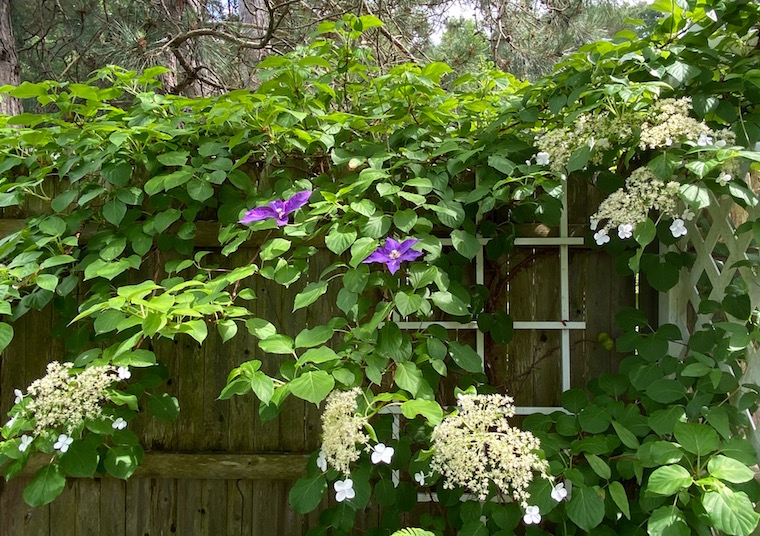
A little bamboo magic has rubbed off on the rest of our side-yard, as this corner will attest with its perfectly-placed clematis blooms, intertwined with an unexpectedly-gorgeous climbing hydrangea which finally came into its own just in the nick of time. Both the hydrangea and the clematis adhere to this age-old adage that describes their growing pattern: the first year they sleep, the second year they creep, the third year they leap. This is probably the fifth or sixth year for the hydrangea, so its leaps are especially appreciated, as the sweet autumn clematis that previously ran its crazy twenty-foot-per-year growing pattern finally came to an end. I was debating how to handle it when the hydrangea scrambled onto the arbor and across the top of it, solving the problem in one pretty pass. Sometimes the garden works for you.

As for these purple clematis blooms, I’m sorry to say they did this without any help from me. To be honest, I’m not even sure where the base and roots of this vine are located. I’m assuming it’s close to the hydrangea base, so I focus my water there. Clematis like their feet moist and cool, and their leaves and tendrils warm and dry – finicky little things that can make overhead watering difficult. Still, they reward you with these divine blooms if they’re happy enough. 

The climbing hydrangea is more forgiving, and once established it’s a workhorse for garden beauty. Its foliage remains fresh. handsome and bright green for most of the growing season. In fall it burns a bright yellow, and after falling reveals some gorgeous bark, and eventually the wondrously gnarled framework of a world-weary sage, the years carved into its winter face. 

Right now, it is in full lace-cap bloom, sprinkling a sweet perfume that is like a lighter version of the linden tree which is also on its way into bloom right now. There is much sweetness in the air at the turn of June. Let’s go out and enjoy it before the day begins in earnest.

Continue reading ...

Paeonia

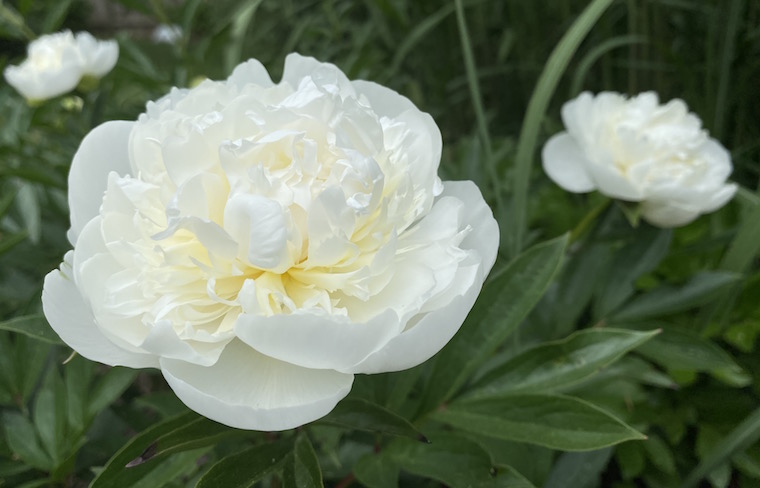
The peony parade continues with these white blooms form the backyard garden. They were part of a perfumed peony collection I purchased from White Flower Farm a number of years ago. The trouble with collections is that you don’t know quite what you’re getting, but when it comes to peonies my love transcends names and labels and varieties, and as long as they carry a bit of that distinctive peony fragrance, all is well. 

On a recent afternoon, after a busy day at work, I stopped by these clumps and set up a watering stations, slowly moving the watering wand over the ground beneath their feet (avoiding getting any water on their leaves, in a vain attempt to put off mildew) and inhaled their sweet fragrance. It was divine. I stayed there, watering nearby plants for the next hot day, taking my time as I took in the peony’s perfume. Those moments of appreciation are important. The blog may be a bit light on content this week as I work toward more such moments. There are archives to peruse should you wish to see more… (scroll down and type anything into the search box – it’s like gay roulette). 
Continue reading ...

Painting the Fronds of Ferns

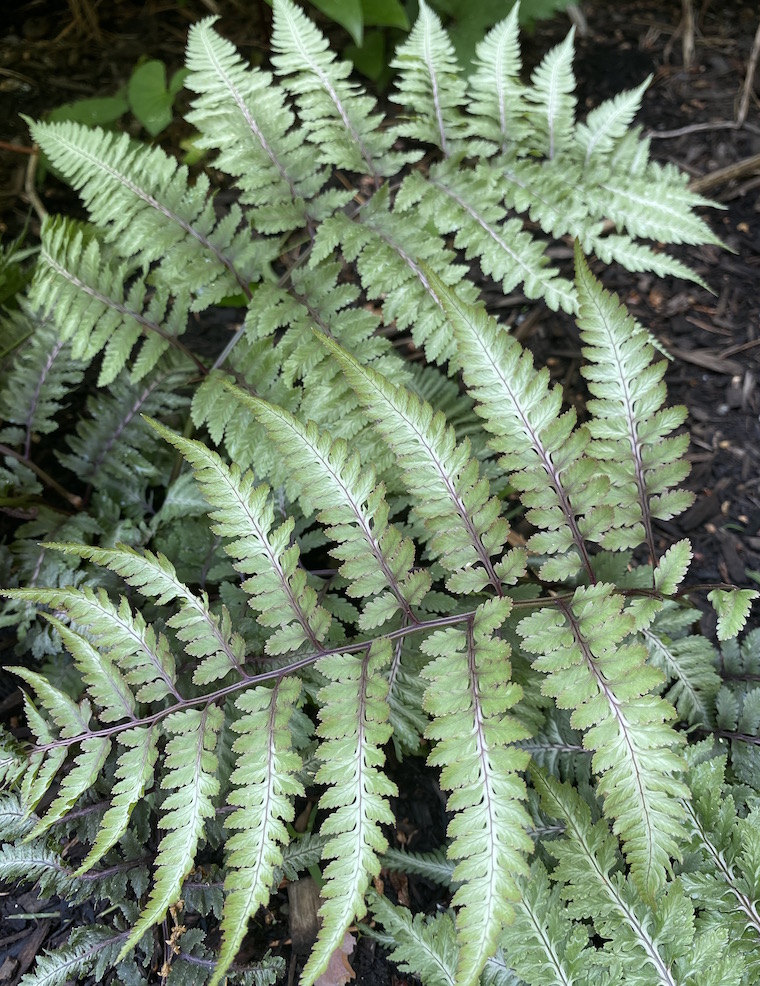
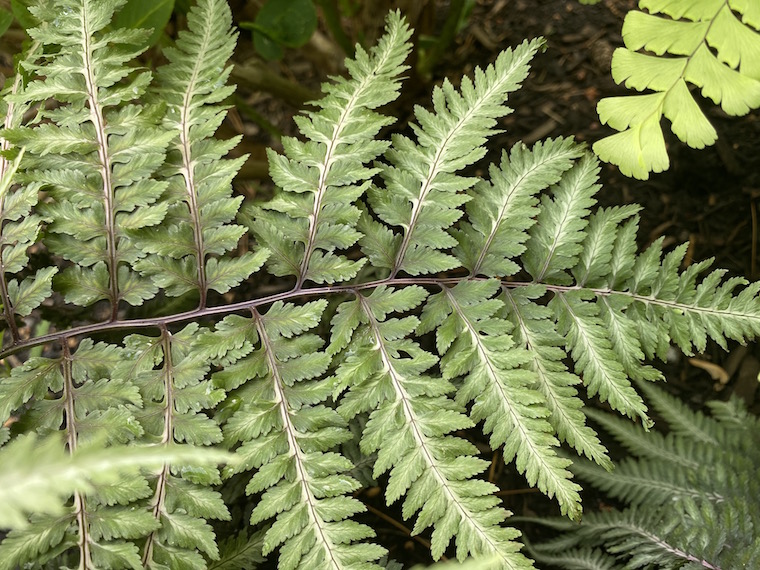
One of the most exquisite plants in the garden right now – and throughout the entire season for that matter – is the Japanese painted fern (Athyrium niponicum). Do not be tricked by its delicate painted and they are also said to be deer resistant. I planted one a few years ago, and it has since become a dozen, partly from creeping on its own, but mostly (and rather impressively) sporing itself out into the damper areas of the garden. 

Ferns don’t produce seeds, they produce spores: powder-like particles that act much like seeds. I never bothered with trying this method of propagation because it always seemed to technical and involved, particularly when dividing is much simpler, and quicker. However, nature had other plans, and the consistently damp area near our pool pump provided a perfect haven for a number of Japanese painted fern spores to develop into little plants. Andy noticed them last summer, and I decided to wait and see if any survived the winter before moving them. They all did.

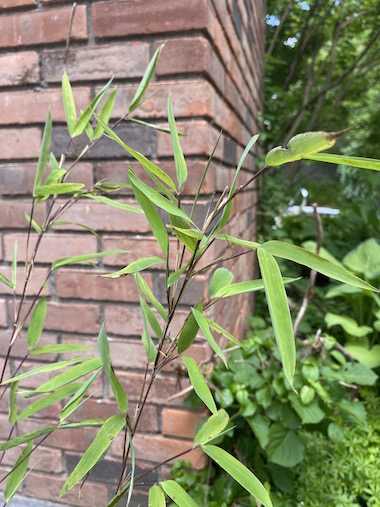
A couple of days ago, after I placed our new fountain bamboo, I moved a trio of clumps in front of them, further enhancing the Japanese atmosphere. I’ll add a Japanese flowering maple when I divide that plant next year. The garden propels us forward even as it beckons us to pause and take it all in. 

These Japanese elements were an intentional design plan for the side yard. It’s the entrance-way when friends and family are visiting for a pool gathering, it’s where Andy grills our summer meals, and I finally realized, after years of slightly neglecting it as a forgotten area, that I spent a significant amount of time there. I want it to be a peaceful transitional place, where the arching canes of a pair of bamboo plants gracefully welcome visitors and a stand of ferns peeks up at Andy when he’s checking on the steaks. I have plans for another corner section, if I can dig up some old shrubs that haven’t performed well and establish a Japanese stewartia. I’m taking my time with the entire plan, hoping to enjoy and be present for each moment. Let it take the whole summer

Continue reading ...

Jackin’ the Pulpit

Scientifically named ‘Arisaema triphyllum’, this woodland creature is more commonly known as the Jack-in-the-pulpit. A number of years ago I purchased it from some home improvement store, in one of those plastic bags that has a beautiful picture of a fully-grown ten-year-old specimen at the height of its beauty on it, only to spill out some desiccated little nest of seemingly-dead roots, light and lifeless and surely void of any future glory. I half-heartedly dug a hole for it in the corner of a shaded garden and promptly forgot about it. I didn’t plan on seeing that $4.99 again.

A year later, a dark spire rose in its place. Having entirely forgotten about what I’d planted, I waited to see if it was some strange exotic weed. It was too thick and robust to be one of the standard weeds I’d come to know. It was also more substantial than the little spikes of lily-of-the-valley that were encroaching on that particular space. Slowly, it unfurled its three-pronged leaves, and then the hood covering the spathe, and I was enthralled to recall the Arisaema triphyllum I had planted the year before.

This particular variety is darker than the plain green version I knew as a child. It lends it a more sinister and mysterious aspect, something I enjoy at the garden in this portion of the year, when everything else is so bright and chartreuse and innocent. The garden should be a place of balance and contrast, as well as a land of mystery. There should be room for magic and the casting of spells, and even little heads named Jack.

Continue reading ...

A New Generation to Last Another Century

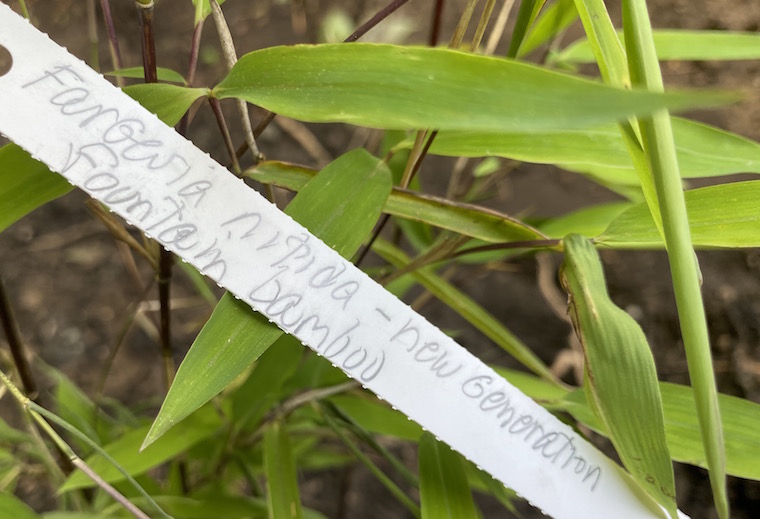
The fountain bamboo – Fargesia nitida – blooms once every hundred years, give or take a year or ten. It is quite an enchanting event – the way the little blooms dangle from their canes, dancing with the slightest breeze – but a rather mournful one: after flowering, the plant dies. Most of the Fargesia plants that had been dispersed around the world were propagated through division, meaning the vast majority of fountain bamboo would flower in one mass event, then experience a mass die-off. That blooming explosion happened about seven or eight years ago, which affected the two specimens I’d been cultivating since we first moved into our home.

I purchased and planted them years before everyone realized the blooming cycle was at hand, and for the past few years nurseries would not guarantee survival of Fargesia species because some still hadn’t bloomed. Nurseries are just now coming into supplies of seeded plants from the new generation of Fargesia nitida, and are once again guaranteeing their survival since they aren’t due to bloom for another hundred years.

I’ve been waiting an extra couple of years because when you’re talking about a century of time, you don’t give or take a day. As magnificent as their blooming was – how often do you get to witness a once-a-century flowering event in your own backyard?! – it was heartbreaking as well. I’d grown to love our two fountain bamboos, thrilled at the way they started off so slowly, but soon sent up their name-sake fountain form when coddled with a bit of manure and water during dry spells. They had just begun to develop their characteristic arching form, and outside the bedroom window the canes curved and waved in the wind like the backdrop to some Japanese woodblock. 

The occasion of their blooming caught me off-guard.

I felt the sorrow before I could feel the excitement. 

The celebration of a luxury of rarity paled to the inevitable loss, and I felt more sadness than elation at the magical sight of their blooms. I was in a different mindset then. I took such things to heart, lamenting the loss and reveling in the regret that I hadn’t appreciated our two Fargesia plants while they were alive. Only near the end did I inhabit the moment, giving in to the wonder of what I was fortunate to witness. 

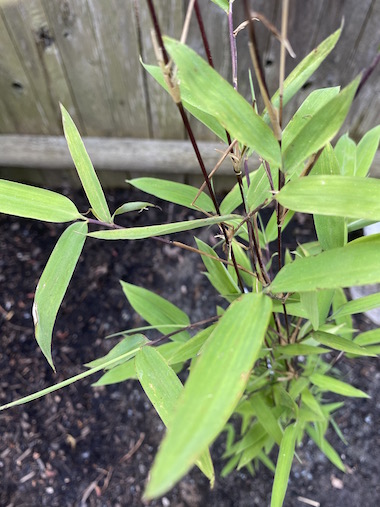
A couple of days ago, four new fountain bamboo plants arrived on our front step. They come from the new generation of Fargesia nitida, and the nursery assures me if there are any blooming issues or die -off they will replace them. We should have about another century before they bloom again. Andy mentioned that we won’t be here to see it, and there was nothing macabre or sad about it – it was the simple truth. Someone once said, “Society grows great when old men plant trees whose shade they know they shall never sit in.”

With that in mind, I tucked the four new bamboo plants into their chosen locations around the yard, amply amending the soil with the manure they love so much, and watering them in well to give them the best possible start. A new generation had been put to bed for the first night in their new home. 

Continue reading ...

Dangling Floral Bells

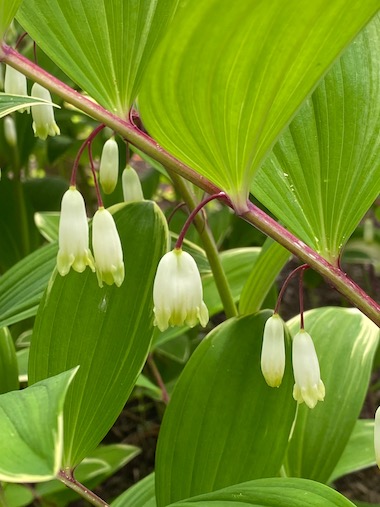
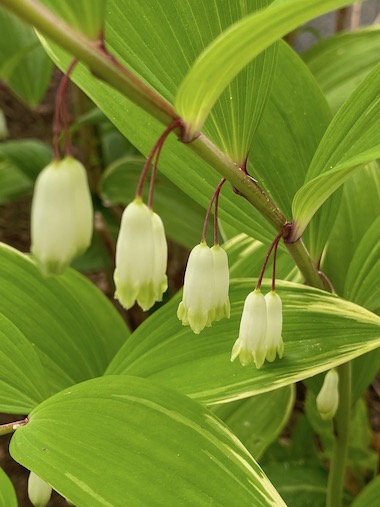
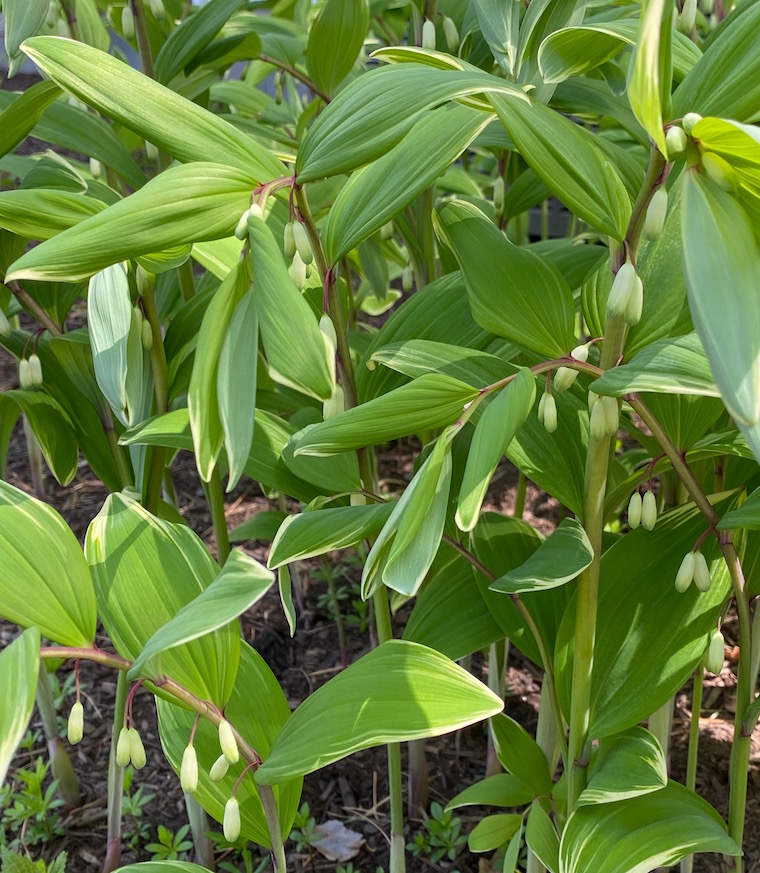
As much as I have tried to appreciate every moment in this year’s garden, I still managed to miss the quicker blooming periods of certain plants, such as this beautiful Solomon’s seal patch. With the extended show of the daffodils and lilacs this year, I guess I expected the same luxury for these pretty little blooms, forgetting that the temperatures had risen and the air had turned more dry. They lasted a few precious days and by the time I got on the ground to sniff and examine them close-up, they had already dropped these subtle bells, along with their delicate sweet fragrance. 

Luckily, they are a hardy bunch, and have expanded extensively in the yard, so they will be back next year. I’m making motions to move some around a bit. There will probably be more than we have room for, and the surplus I can slip into the hidden side yard that needs a bit of work. It’s shady there, thanks to a pair of enormous oak trees, and Solomon’s seal is able to handle a fair amount of shade. It will be nice to have more than pachysandra there, and with just a bit of soil amending, this plant should be just as simple to maintain. 

Continue reading ...

The Peonies Always Return

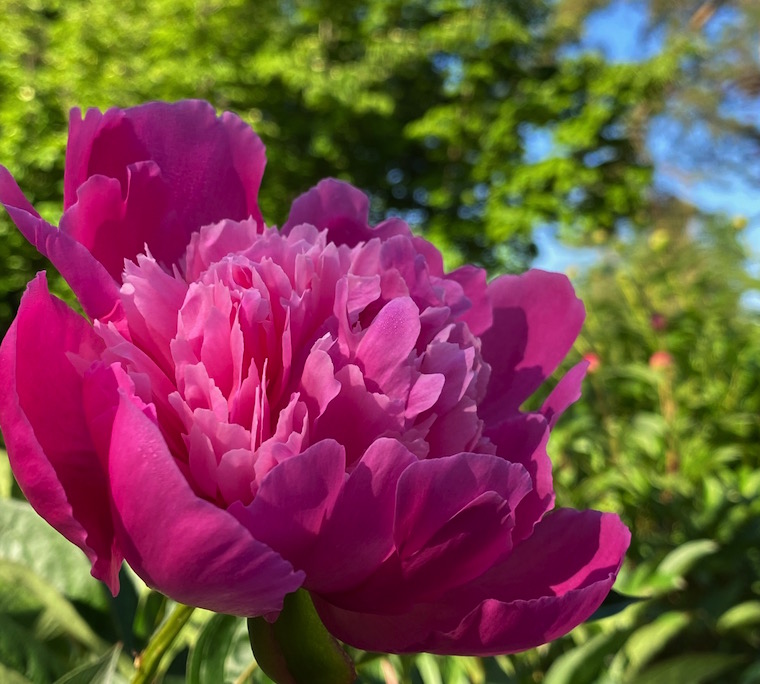
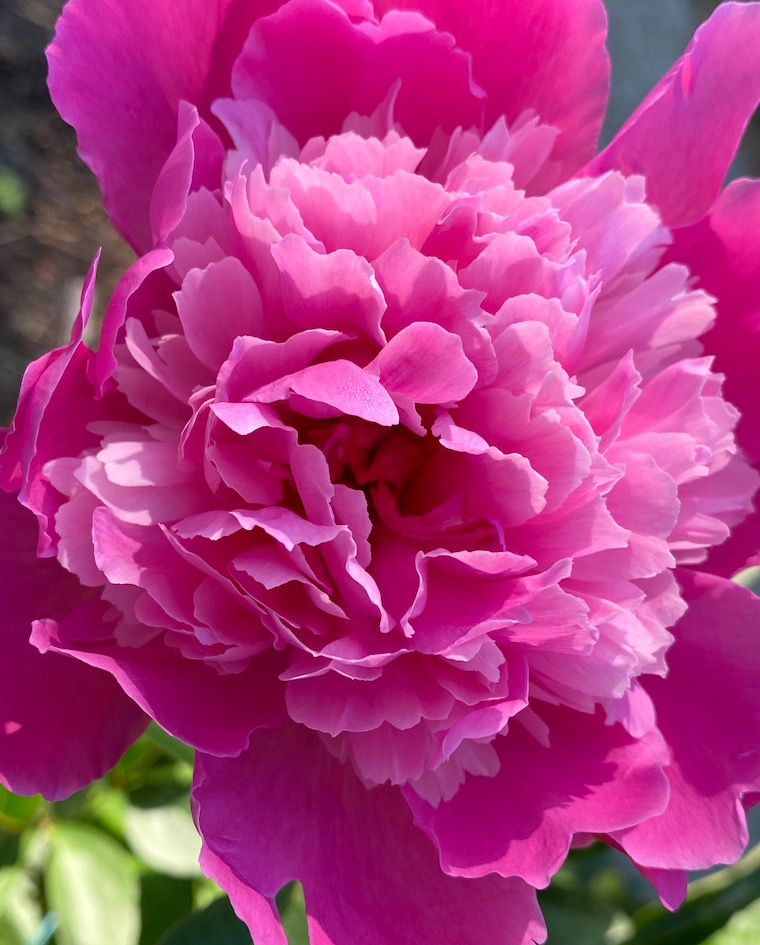
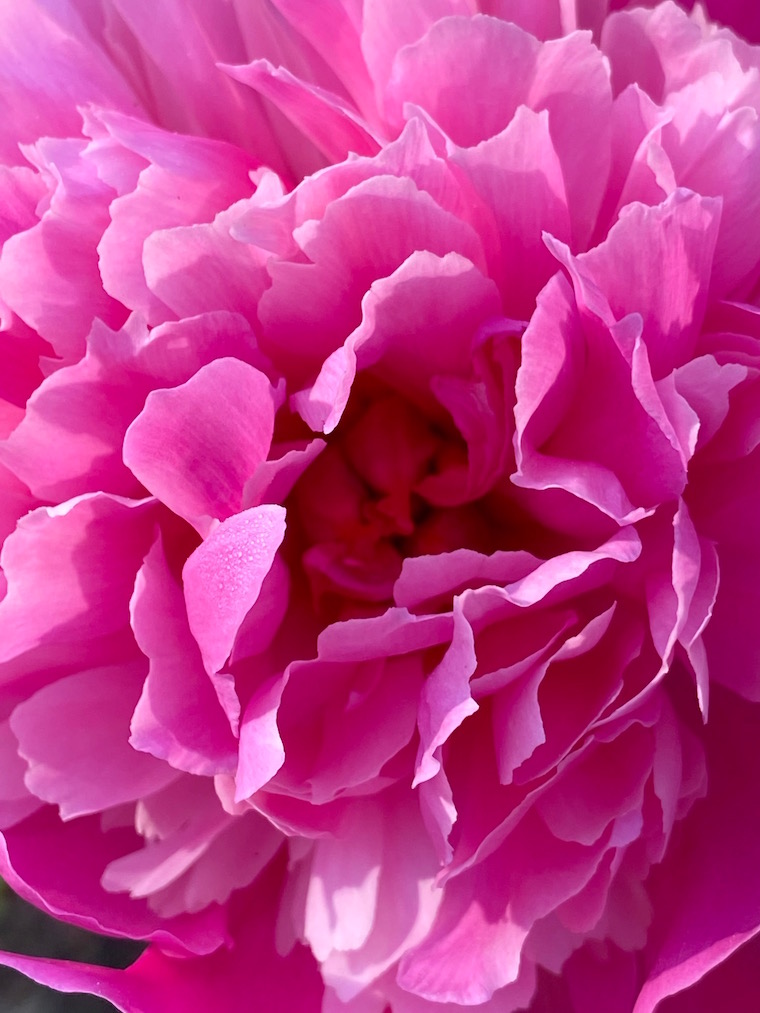
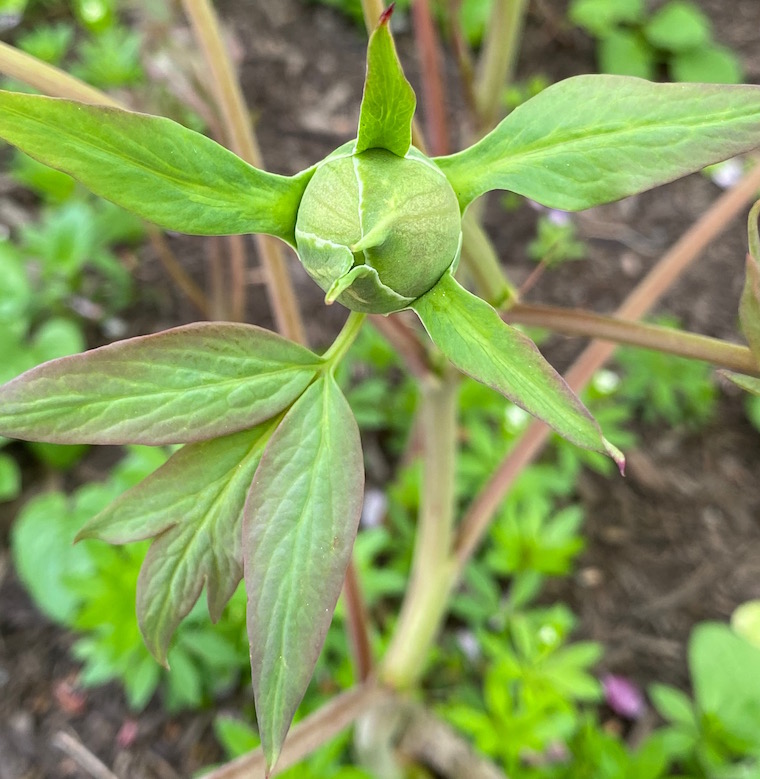
No matter what the state of the world, peonies have been blooming in the late spring for centuries. There’s something comforting about that perspective, particularly in these disheartening times. One of the longer-lived perennials, there are peony beds that have lasted for decades, and the three in front of our home have been there for about eighteen years. I know because I planted them the first year we moved in. 

Strangely enough, it wasn’t in my parents’ garden where I first learned to love peonies. It was in the neighbors’ yard, over a chain link fence that lent them a forbidden aspect which only added to their allure. From the vibrant fuchsia of their petals to the intoxicating perfume they emitted, it was love and fascination at first encounter

I was small enough to squeeze through the tiny path that went along the side of their house, a corridor bordered by the house and then the fence, and backed by a tight row of privet. When I got to the bed of peonies, they rose to my height, so robust and high did they grow. If there had been rain or a morning dew, sometimes the flowerhead would lean into the fence, and I could bring them to my face and inhale the delicious fragrance. Always slightly anxious, even as a child, I found that moment of beauty brought me a brief bit of peace. That glimpse of happiness is recalled every time I smell a peony bloom.

Later years would bring more happy memories – the beds at Suzie’s house on Locust Ave and the day I married Andy come to mind – and I’ve added more plants to our gardens to bring back more memories while crafting new ones. 

Continue reading ...

A Spin Around the Garden

We are still in the glorious phase of late spring, which makes regular turns around the garden a happy excursion for our house-bound situation. It’s the perfect break from sitting at the computer and working from home. Those breaks are important, as I’ve discovered. At this time of the year, when everything is practically growing before our very eyes, it’s also important not to miss a single day outside. Even in the rain, I try to get out and examine how each plant is coming along. 

The weeping larch in the featured photo started on an iffy note, but after some heavy pruning and readjustment, it’s exploded into a carpet of the lovely wintergreen color seen here. It’s being crowded by a pushy stretch of Thuja, but for now it’s holding its own. 

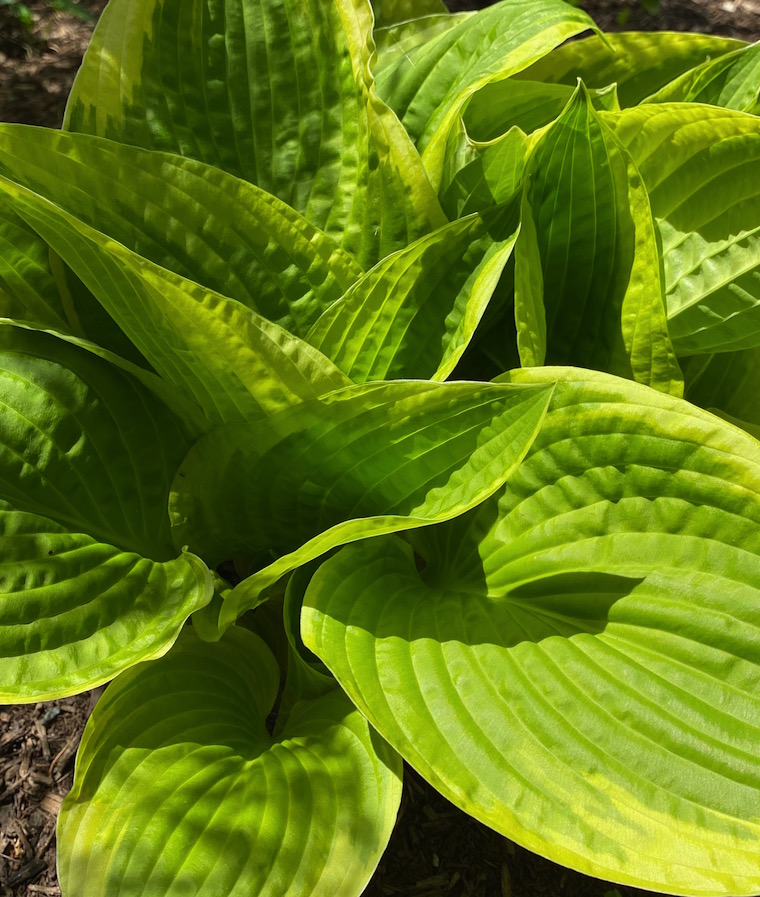
A hosta with leaves that could have been painted by a skilled artist makes a keen argument for the power of texture, form, and the various shades of green that abound at this time of the year. A few years ago I planted this specimen – one of several in a row bordering our back patio – and after some serious pampering they have grown into a fine little hedge. 

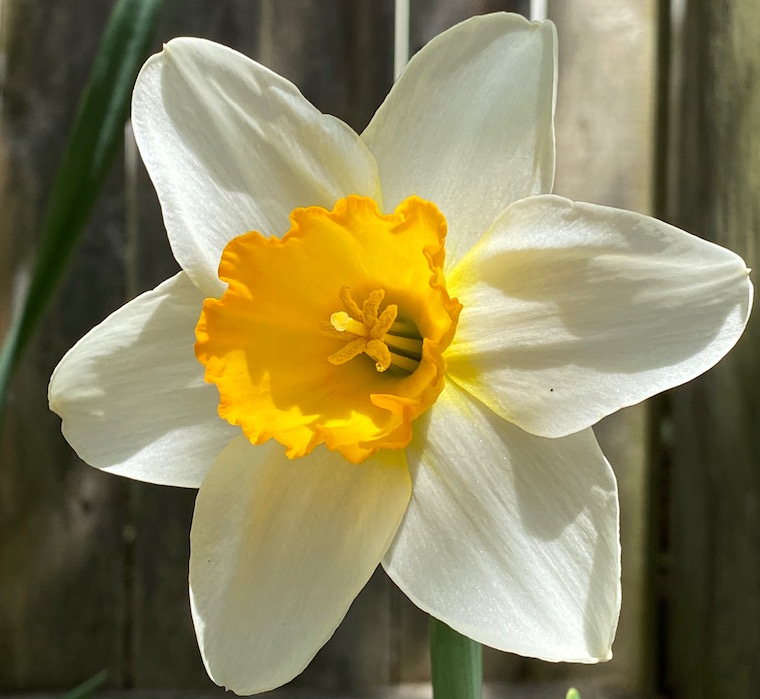
The daffodils held on longer than any season in recent memory, thanks to a cool, wet spring, lasting well into the end of May. It almost got to the point where I was taking them for granted, which never happens with their typically-short flowering period. 

We have several large stands of Solomon’s seal, one of the stalwart performers in the mostly semi-shaded green sections we have near the house. It spreads nicely, sometimes too nicely, and may need some editing, but that makes for more clumps. From one plant we now have three large patches, and several friends have started their own stands from ours. I still need to cut some back, so I may be adding them to the wilder section at the side of our house that we never quite get to clean up. 

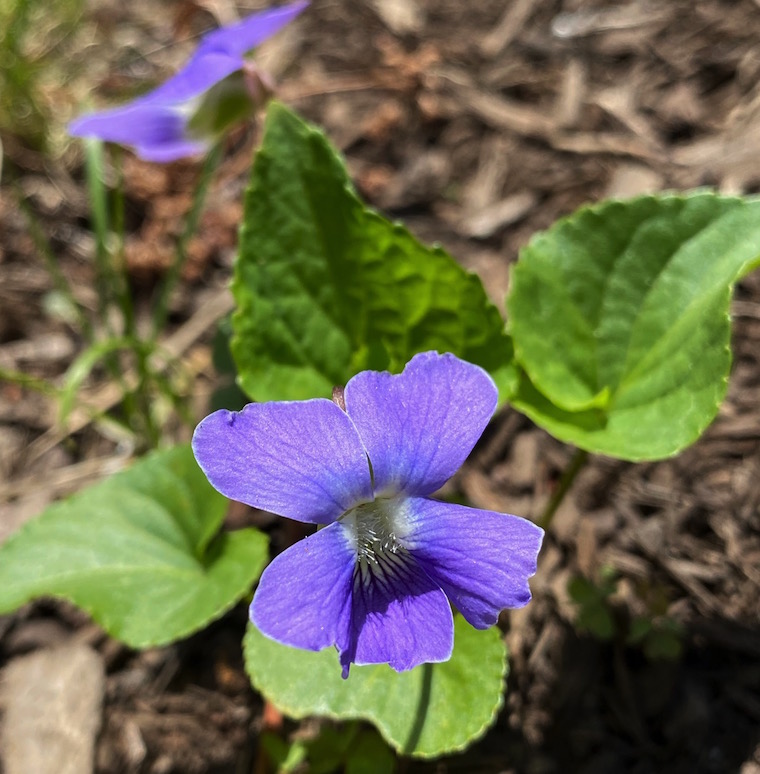
Though they’ve become a bit of a menace in the lawn, these violets make it difficult to be completely mad at them, especially when they are one of the first to appear after a long winter. 

This tree peony is the first peony to flower every year. Sadly, its head swells so large and the bloom gets so top-heavy it cannot stand upright on its own, which means it gets a rather hidden location, and hangs its head when it puts on its show. For that reason I often pick it before the critters can cut it out or it hangs into the muddy ground. 

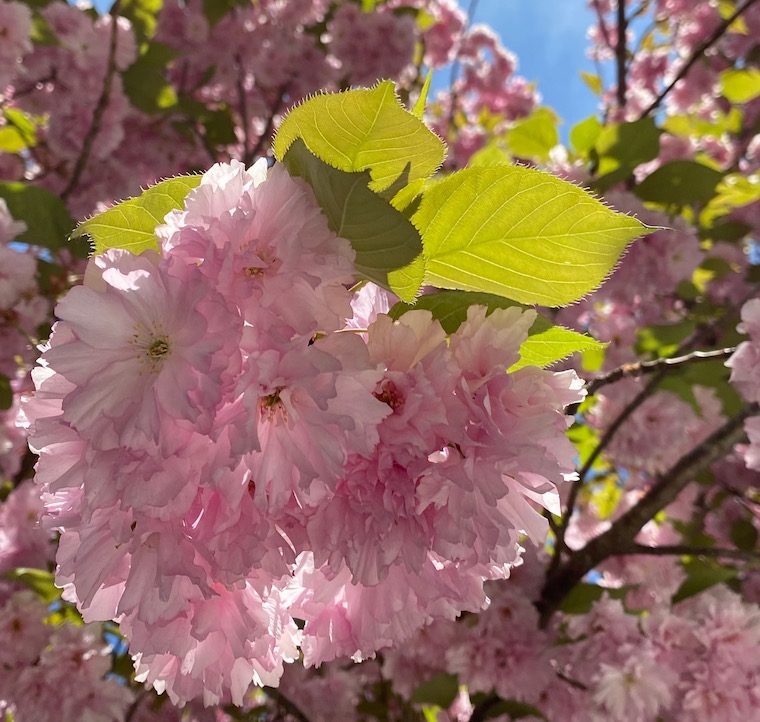
Finally, our Kwanzan cherry made a stand-out showing this year, lasting longer than usual and wowing with these full double blooms, resplendent against a blue sky. This is why spring gets all the glory. 

Continue reading ...

June Joy

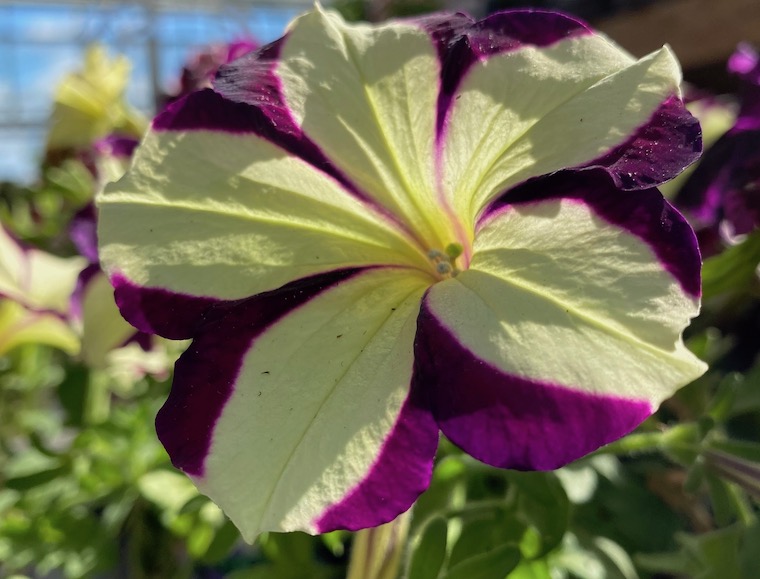
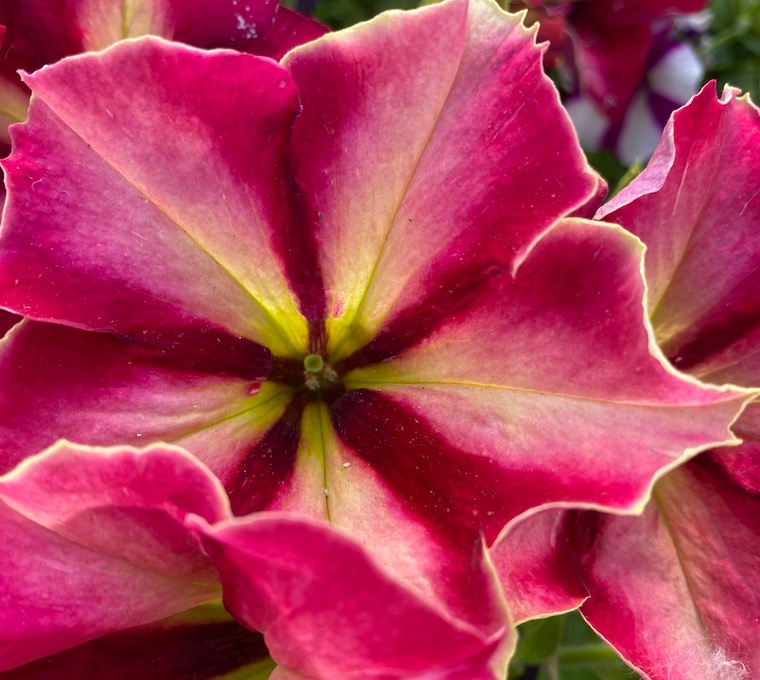
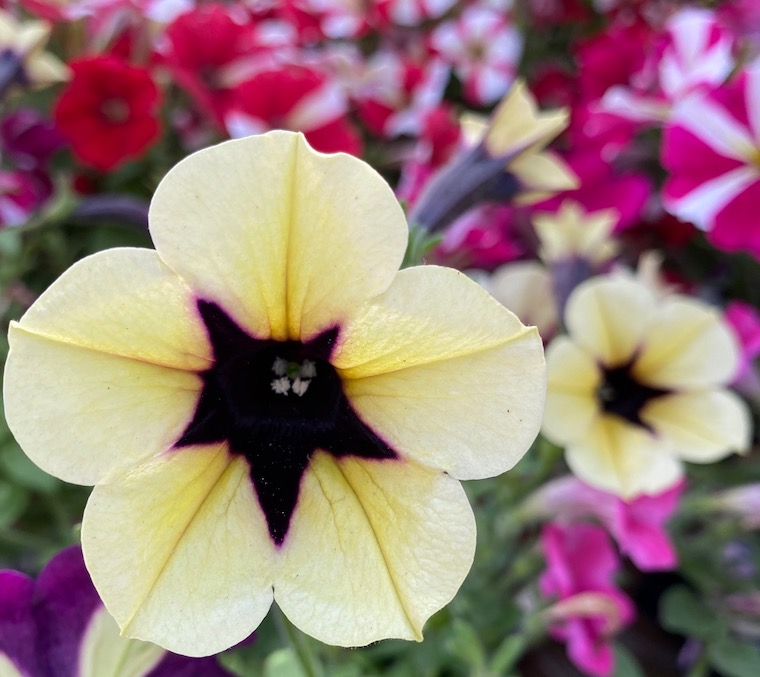
These happy faces are the greeters of June. This year everything seems to be a bit behind, as we haven’t even started the peony parade just yet. The roses will be later, though with everything else that has gone on this year, we aren’t planting any new roses in the garden. We have two that barely made it through the winter, and I’d be surprised if we coax any blooms from them. Some summers are like that. There are other concerns in the landscape. 

With a new pool liner in the works, part of the garden will have to be dug up anyway, so it’s not the time to make anything too pretty just yet. 2020 is most definitely a year in limbo, if not closer to hell. These pretty faces, snapped at the local nursery, cheered me on a weekend visit, and while I didn’t bring any home (my mission was a pair of papyrus plants) their colorful presentation was enough. 

Petunias were a mainstay of the front gardens of my childhood home, their non-stop blooming power a key component for earning my mother’s love. In the little side garden I was allowed, I chose something more exotic – portulaca one year, dahlias the next – while the petunias and snapdragons populated the larger spaces, winning over my heart despite my yearning for something slightly more exciting. 

In years like this, I return to those traditional, stalwart performers, and have potted up three petunias for their color and comfort. They’re already spilling their blooms over the edges of their pots, one by the front door and two on the back patio. June does its best to cheer us up. 

Continue reading ...

The Sweetest Carpet

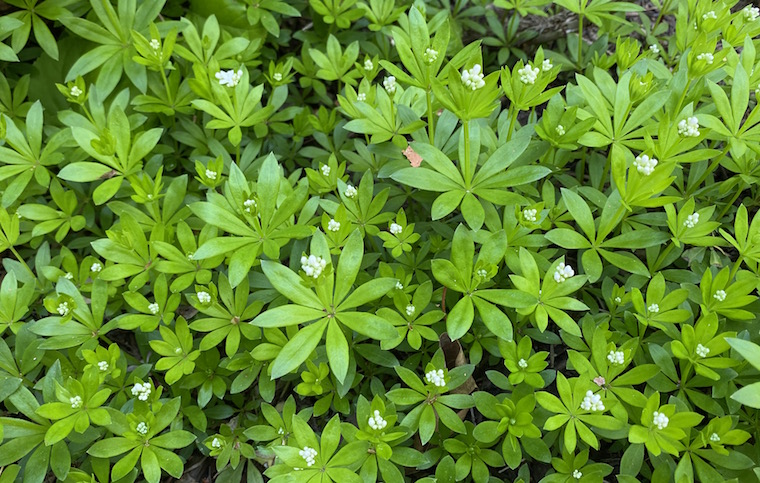
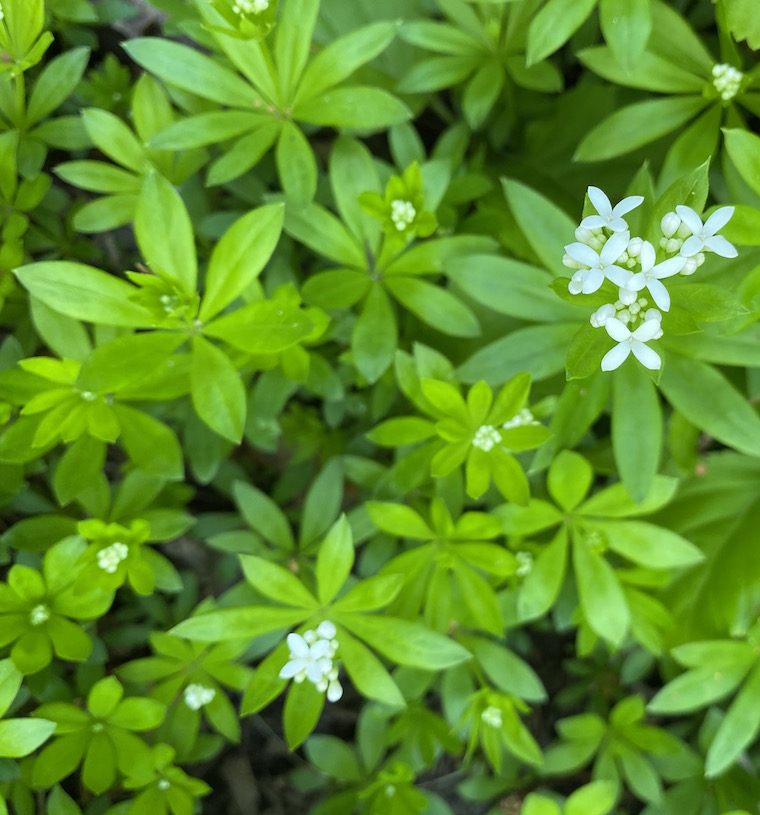
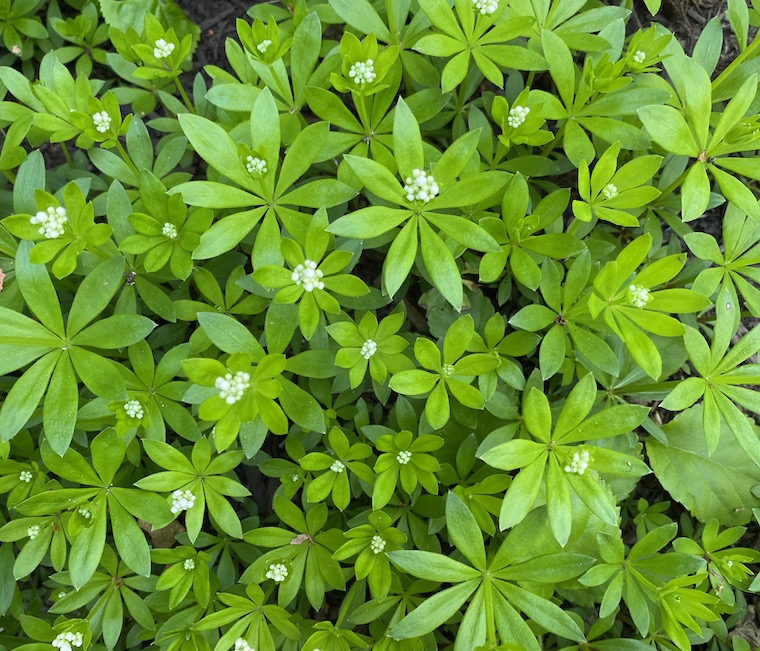
Sweet woodruff is in bloom this week in the garden, and out of the garden to be honest, as this plucky performer tends to overstep its bounds with alarming regularity. I haven’t minded, as its never been unwelcome. When the charming show of its snow-white flowers ends, it maintains this fresh green foliage and structure, ideal for a groundcover in a shady slightly moist space. I’m going to take a few plugs of it and put it on our side bank where we have a few problematic areas. Groundcovers work wonders for these situations.

I’ve read that these plants have been used for May wine and sachets. Maybe I’ll try the sachet idea. We are all going back to basics. Little joys and simple living. This is how spring eases into summer. This is May. It is quite possibly my favorite month – even the name allows for possibility and hope – May…

I love the starry form of its leaflets, the way they bring the firmament to the floor, carpeting the ground with stars and for this brief time of the year a fluttering cloud of white blossoms. 

Continue reading ...

Resilience Leads to Loveliness

When the Lenten rose first emerges, sometimes before the winter is even done, it is often ragged and half-rotten, its leaves torn, any early blooms tattered and battered by snow and ice and wind. The first showing is deceptive. No one, well, no one I know, and most certainly not the man in the mirror, looks good first thing in the morning. We require some time to pep up, to re-hydrate our skin and wrinkles, to smooth out the sleep lines and fatigue. In much the same way, the Lenten rose needs a few weeks of recuperative conditions to fully become the beauty you see before you in this post. 

And like every year, it’s more than worth the wait. 

Continue reading ...