Category Archives: Gardening

My, What Big Ears You Have

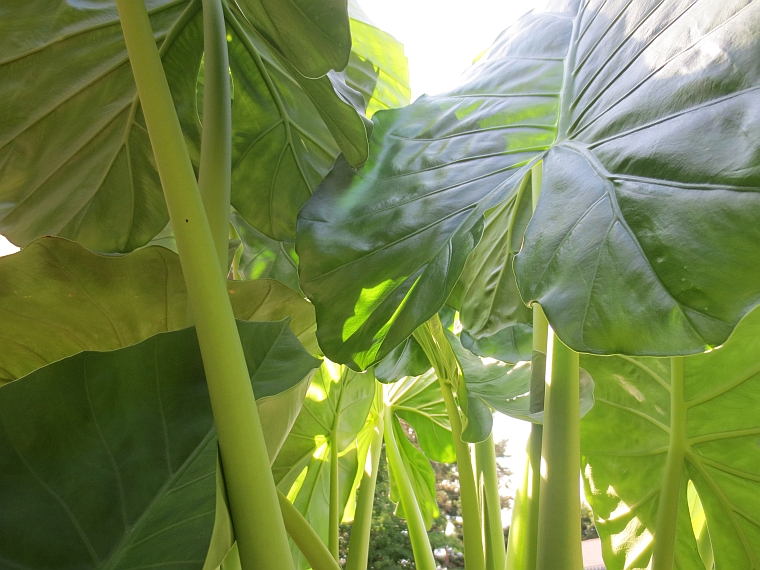
Tropical of form, gigantic of structure, and immense of leaf span, these plants are affectionately known as elephant ears. They provide the perfect backdrop for a pool or water feature, with their waxy and wavy leaves rising high into the sky and dwarfing all else around them. This is the first year I’ve successfully managed to grow them. Last year I tried starting them from a few sad corms that never quite took off, but this time I used plants that had already sprouted. I transplanted them into enormous pots to allow for ample root growth (and there is much; rumors of busted-out clay pots are easily believable). The results are spectacular, even if these photos offer but a glimpse of their glory.

At least three feet in length and width, the leaves are an accurate approximation of their whimsical namesake. Lending the patio a tropical aspect, they also have a personality that changes upon circumstances I have yet to figure out. At times the foliage stands up straight – erect and pointing to the sky – a rigid stance that gives a strong vertical flavor to the proceedings. At other points it relaxes, arching gracefully in soft curves, delicately bobbing in the breeze. I need to make further observation and tests to see if I can figure out what is going on. Both pots are relatively close to other plants, which may explain the phenomenon. Many plants will grow away from other encroaching plants, resulting in the rigid, vertical form I’ve seen this one occasionally take. It may also indicate a watering issue. Aside from the more obvious signs of wilting, some plants will change form when lacking or wanting water. Whatever the case, it’s a beautiful mystery that will play out over the rest of the season. I will keep my eyes on the ears.
Continue reading ...

The Enchanting Lace-cap

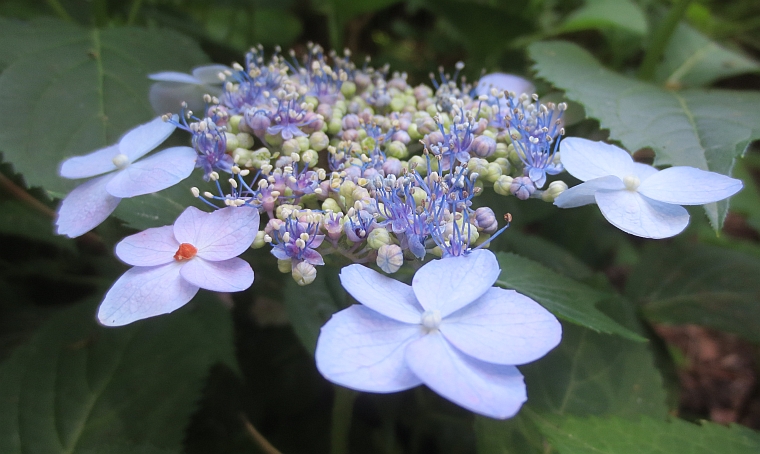
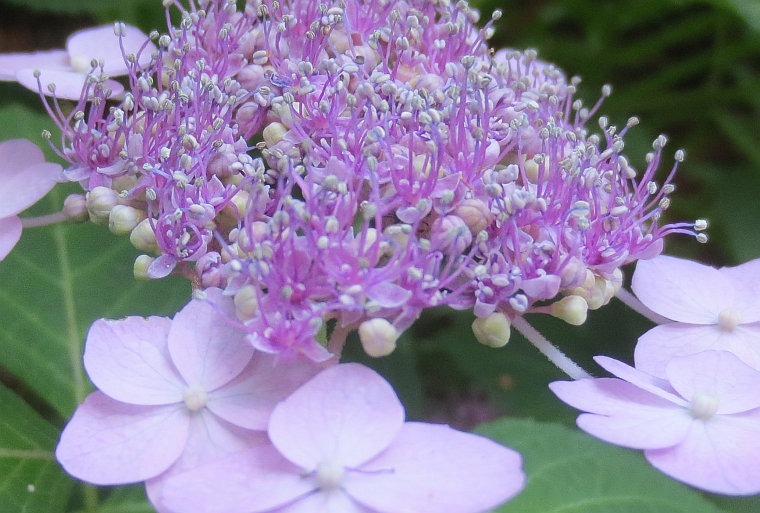
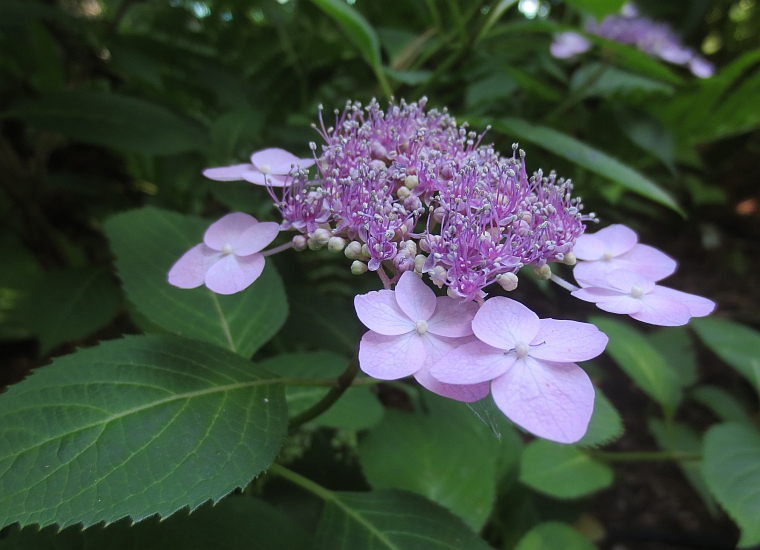
Hidden in the less-than-expansive environs of our backyard, beneath a Chinese dogwood, and behind a towering stand of Miscanthus and a rising patch of a recovering cup plant (which just barely escaped ruin by an interrupted groundhog) is the lace-cap hydrangea pictured here. While these photos isolate and feature it in a way that makes it impossible to ignore, in its habitat it is subtle and quiet, and sometimes I even forget about it until something draws me closer, and I find it again with happy wonder, half-buried beneath a stand of ostrich ferns.

The flower takes the same form as the climbing hydrangea, but is imbued with a subtle shade of lavender, veering toward blue if you’re lucky to get the soil pH just right.

The airy effect of the form, both exquisite and enchanting, is the perfect secret of a backyard garden.

Continue reading ...

She’s Such A Creep

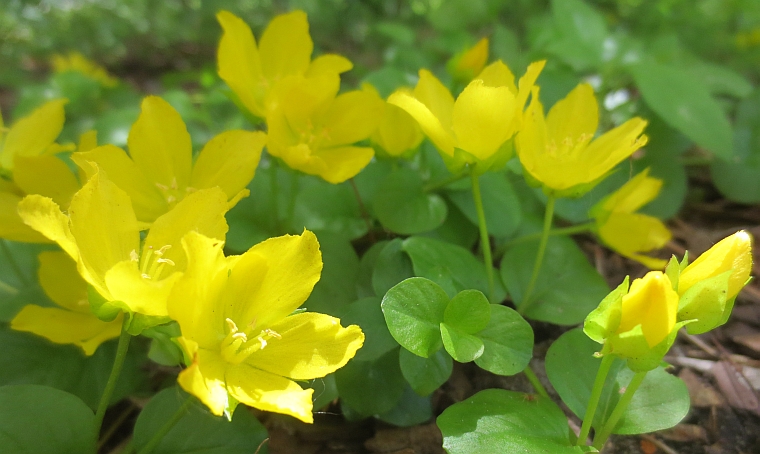
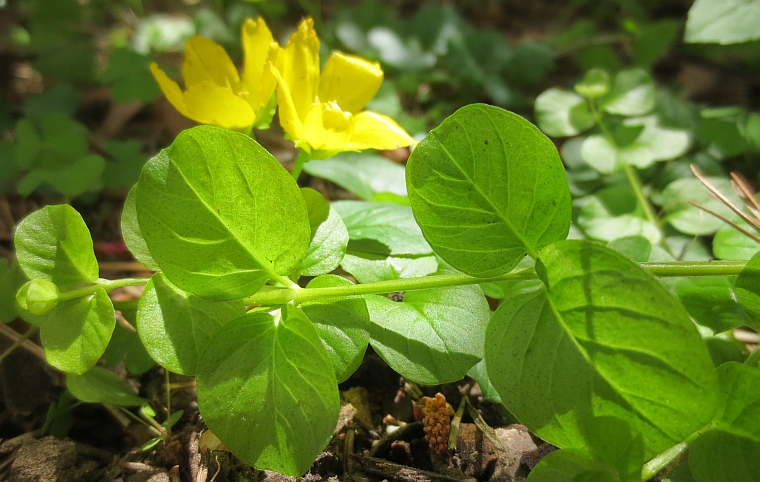
Commonly called “Creeping Jenny” this is Lysimachia nummularia. A groundcover or hanging plant often used as a trailing bit of vertical power in mixed pots, it’s also a perennial, which I discovered haphazardly a few years ago. Though this specimen covers the ground beneath a weeping cherry, it originated in one of our potted plantings. It trailed low enough to the ground to take a foot hold and send down roots into the neighboring soil, resulting in an unplanned but not unwelcome patch of chartreuse green. Happy accidents like that are some of the best parts of gardening.

Another unexpected surprise was when it started flowering. Accustomed to its foliage only, I did not expect the sunny yellow blooms that highlighted the bright leaves. I’m guessing that only when left to run freely in soil do the blooms materialize – further proof that when you give plants what they want (freedom and good soil in this instance) they perform far better than when confined to pots or other unnatural conditions.

Continue reading ...

The Unheralded Hosta

When you perennially perform well, after a while it gets to be old-hat and expected, and such stalwart show-stoppers, appreciated and fawned upon in their early years don’t often get the recognition after they’ve done it for a while. This is unfortunate, as some stellar plants tend to go unheralded simply for their ease of cultivation. They also tend to get put into impossible situations, where such hardiness is abused in punishing locations.

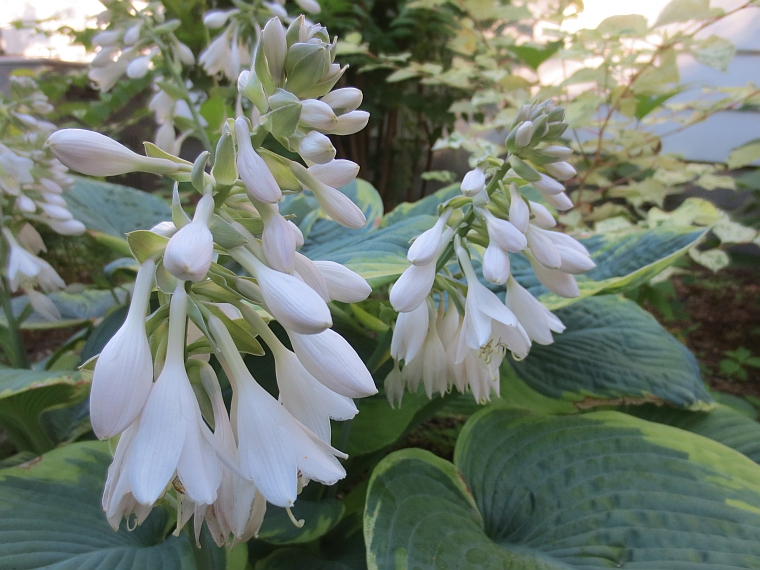
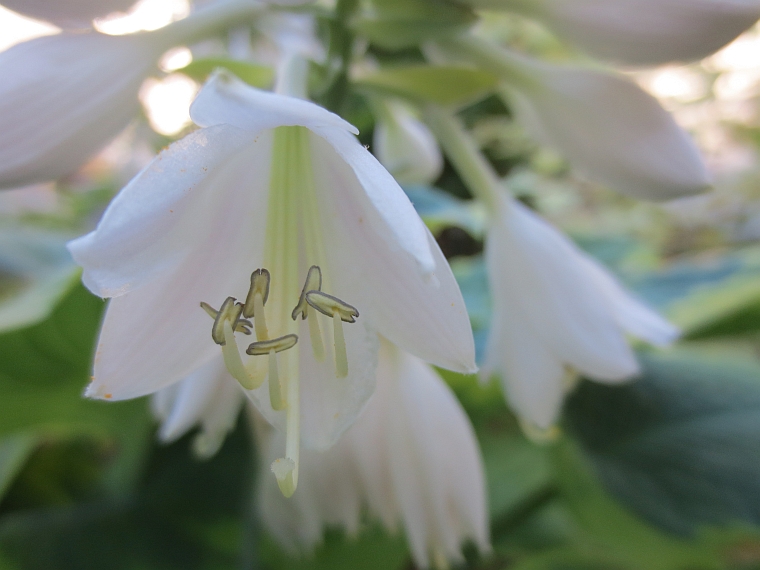
Case in point is the hosta. Known and celebrated primarily for its foliage, it also offers these lovely lily-like blooms at this time of the year. Some are subtly fragrant, particularly on warm summer nights, adding to the enchantment at work amongst its gorgeous leaves.

When given less-than-ideal places in which to grow, they will usually do all right, but if coddled in their preferred environment, they will be spectacular after a few years. Rich soil, dappled light, and even moisture, coupled with a decent layer of mulch and a vigilant look-out for slugs will result in specimens that are as exotic and elegant as they are hardy. They will also reach their maximum size, which in most cases is much larger than the mass mall-plantings seen in many public spaces. A little pampering almost always works wonders.
Continue reading ...

Divided By a Begonia

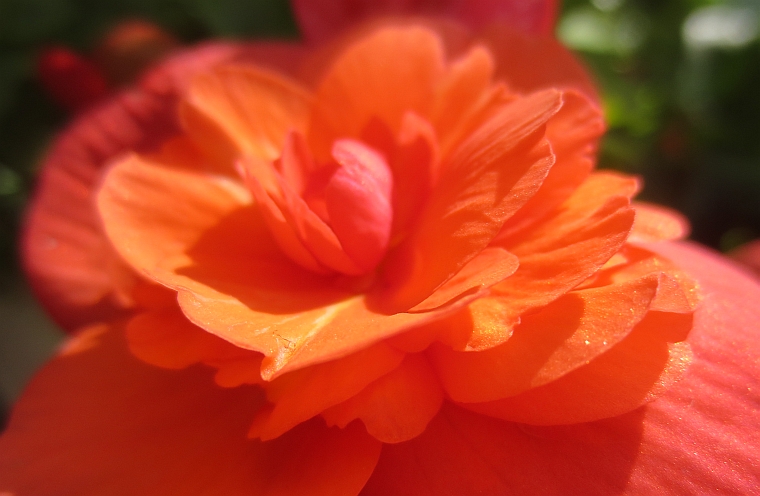
Some of the first plants I ever grew were the tuberous begonias. Unlike the common begonia that was available for mass planting, these were larger and more temperamental plants. They demanded dappled light and coaxing from their tubers before they would reward with rich blooms such as the ones seen here. The foliage was just as handsome, and together they made a powerful punch. Yet for all of that, their form never quite appealed to me. It was slightly erratic, as if it couldn’t quite make up its mind to be upright or trailing. I don’t like that kind of indecision.
This year, I gave them another try, and though the color and beauty of the flower form remains enchanting, and the leaves are as pretty as I remember them, the form still irks me. I keep expecting the taller portions to flop over, debating a stake before letting nature decide if and when it should fall. Too many things in gardening are ungovernable – I don’t need another. So enjoy these luscious flowers for now; their time is limited and their tubers will not be saved.

Continue reading ...

Wild & Sweet

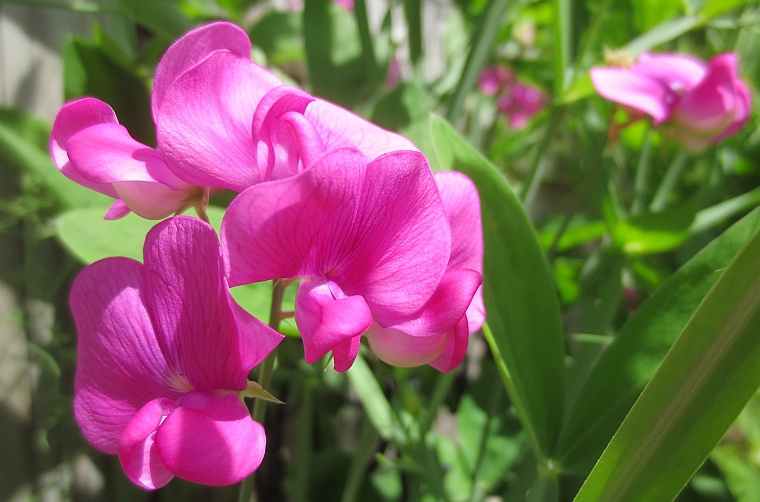
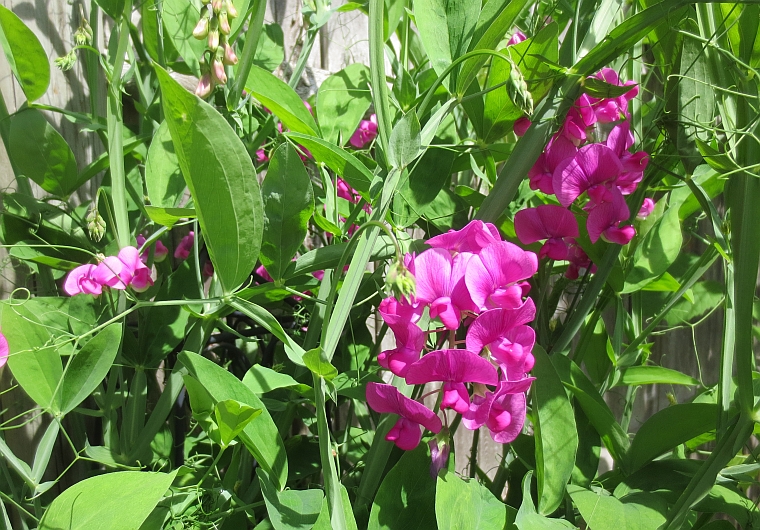
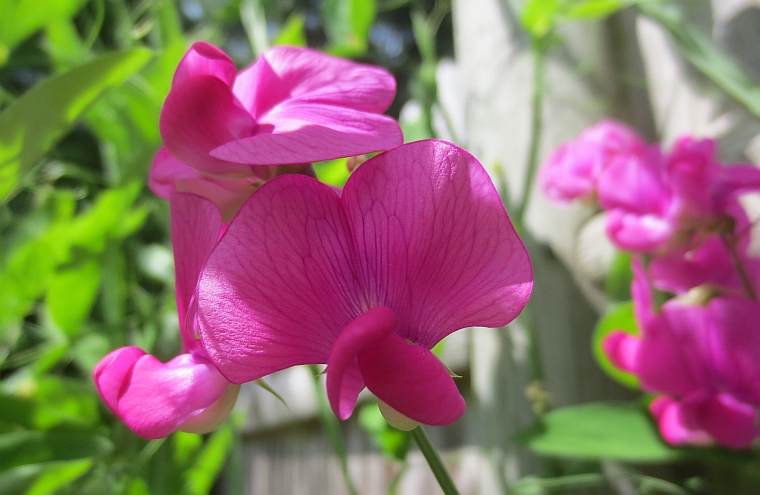
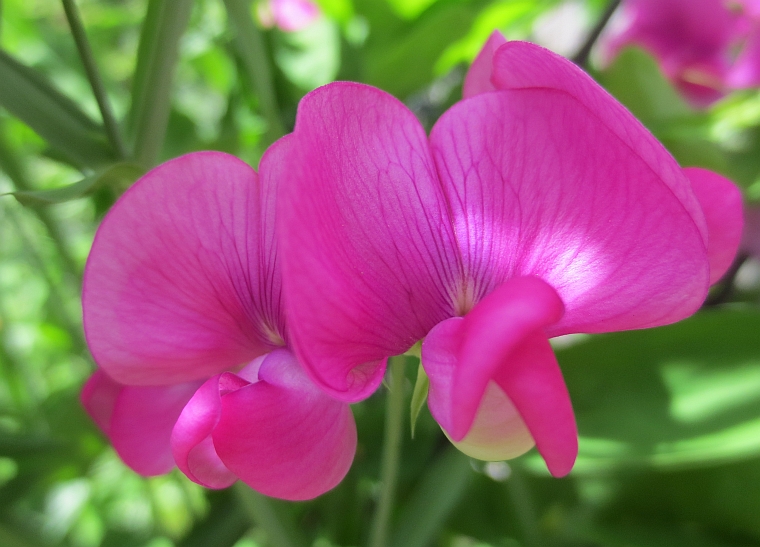
I have no idea how this wild sweet pea came to be in our garden. Unlike the equally-questionable Japanese knotweed specimen that I actually planted (a variegated and less rambunctious variety than the wild one) I don’t recall intentionally putting this pea in. Yet there it was, so I stuck a wire frame for support into the surrounding area and watched the plant climb.

Unlike the early-season sweet peas that are more delicate, and more varied in flower color, this version is hardy, but lacking in charms like fragrance. It’s also an invasive weed in many areas, but if you haven’t grown up with it, the blooms are just as enchanting as the more refined garden version. Its perennial nature is also a nice boon if you happen to miss the early planting season for its showier counterpart. (Yes, I missed it.)

When confined and controlled, even the most invasive of plant pests can be beautiful when examined singly. If dandelions were as rare as Adonis, they’d fetch similarly exorbitant prices. Scarcity is a powerful thing.

While it will bloom for much of the summer, it tends to get quite scraggly-looking as soon as the first flush of blooms is done. As soon as that happens, I like to cut it back to a foot or two from the ground and it will send up a fresh mound of growth, often resulting in a second flush of blooms later on in the summer, when flowers and color are more badly needed.

Continue reading ...

The Wedding Cake Bush

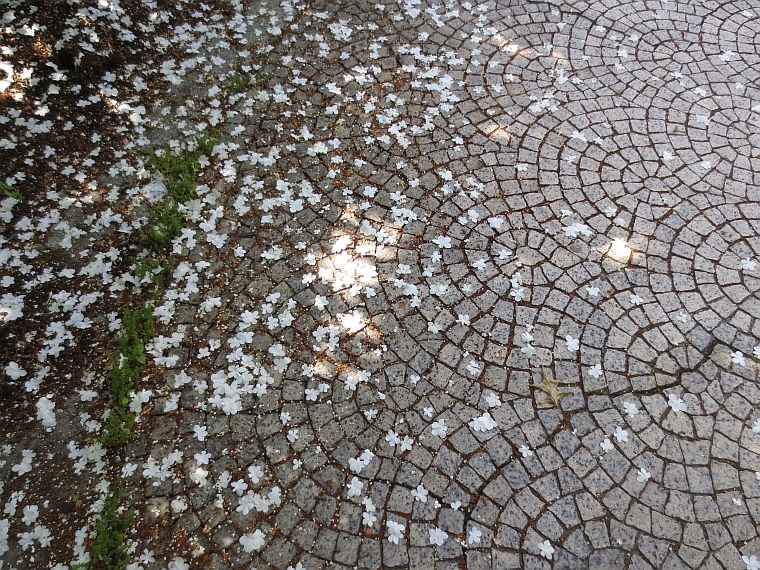
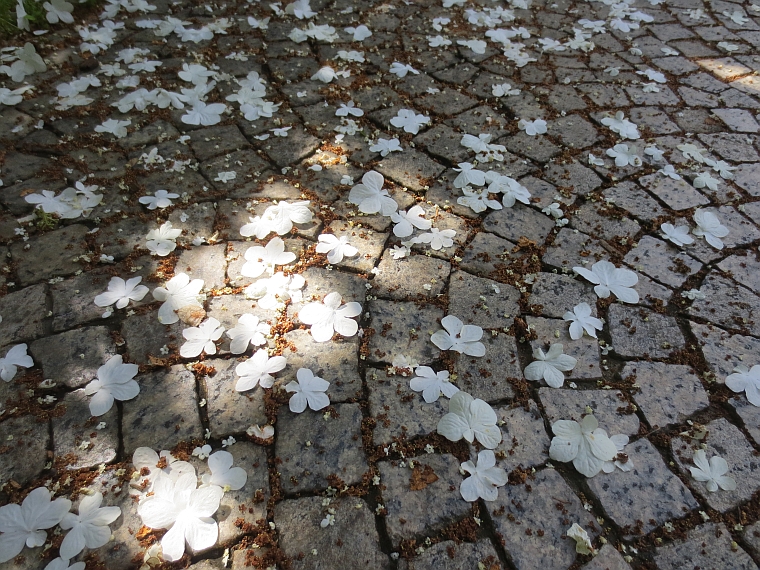
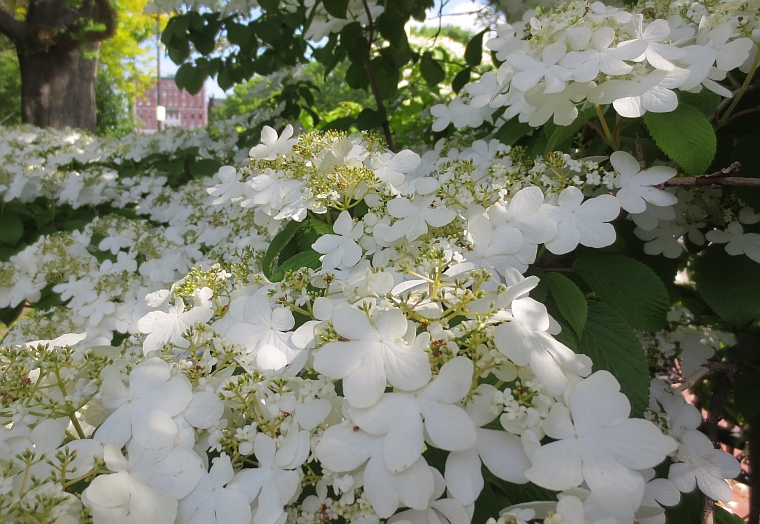
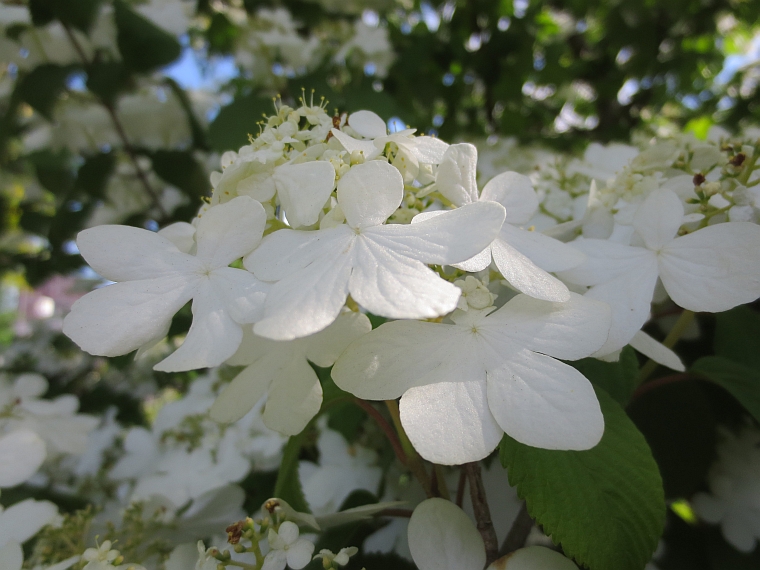
I didn’t get around to posting these photos back in May when they were taken, but they are a welcome reminder of the freshness of the season, one that still lingers in these early days of summer. This is the double-file viburnum, commonly referred to as the wedding cake bush. It’s more than fitting, as there is a photo of Andy and I on our wedding day taken in this very spot, with this very bush in the background, in full bloom.

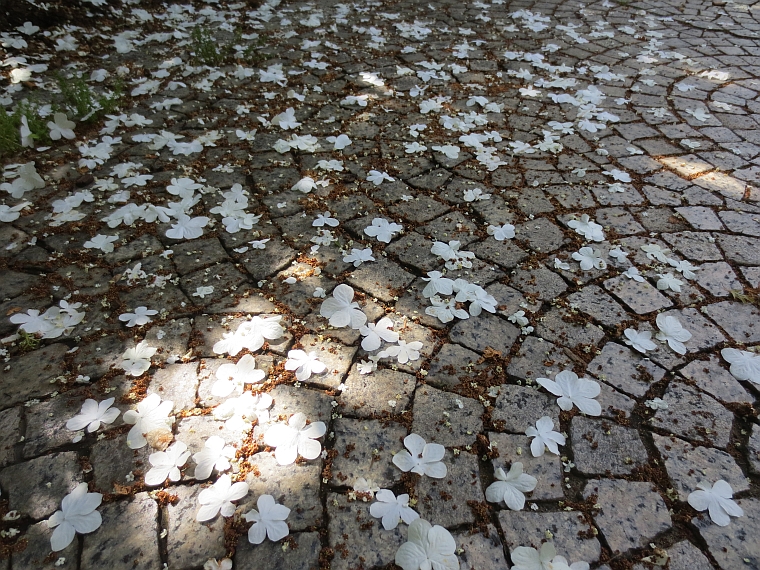
It doesn’t get its name from our ceremony, but rather the horizontal wedding cake layer-like countenance of a specimen in flower. Despite its elegant and delicate appearance, this is a very hardy shrub, that withstands drastic pruning and less-than-ideal conditions. It also has more than one way to show off – not only on its branches, but on the mosaic-like stone tiles of the Boston Public Garden.

Consider it a double-file doing double-duty with its load of beauty, throwing off a second showing for those of us closer to the ground. A home-grown toss of confetti, if you will.

No matter how you look at it, the viburnum is a gorgeous landscape addition.

Another May, another day

Continue reading ...

Drops of Sunshine

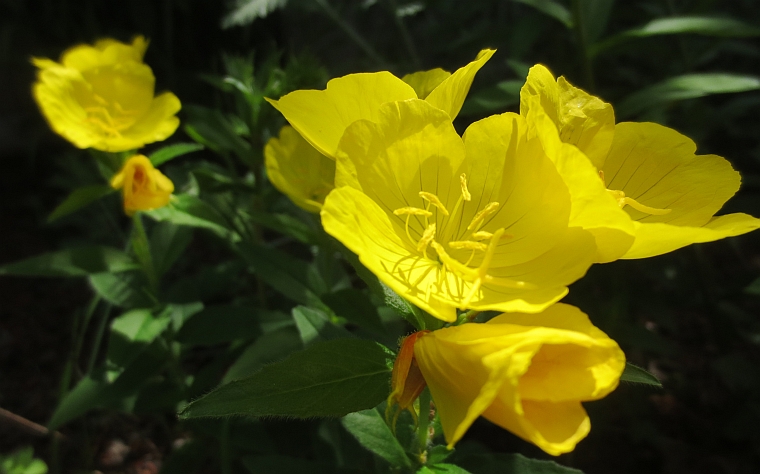
Behold, the evening primrose. Scientifically known as Oenothera, these perennials also go by the more apt moniker of ‘sundrops.’ Either way you refer to them, they are a burst of bright color at this time of the year, and provide a striking anchor for a perennial bed or border. They spread quite well, and will reseed if given the chance, though their blooms are so happy I can’t imagine many would be too upset by this gentle bit of invasiveness.

As is often the case in such matters, the most fiery of blooms are often the most fleeting, and while these yellow stunners unfold over a number of days, they will not last much longer into the summer, so take this into count when you’re counting on color for late July and August. They will occasionally offer some autumnal color, however, so don’t fully dismiss them. The best plants are full of such surprises.

Continue reading ...

The Replacement of a Rhody

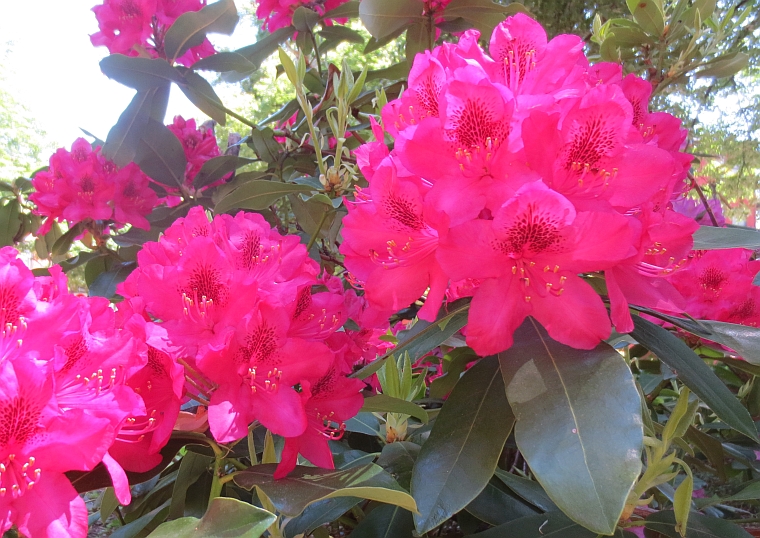
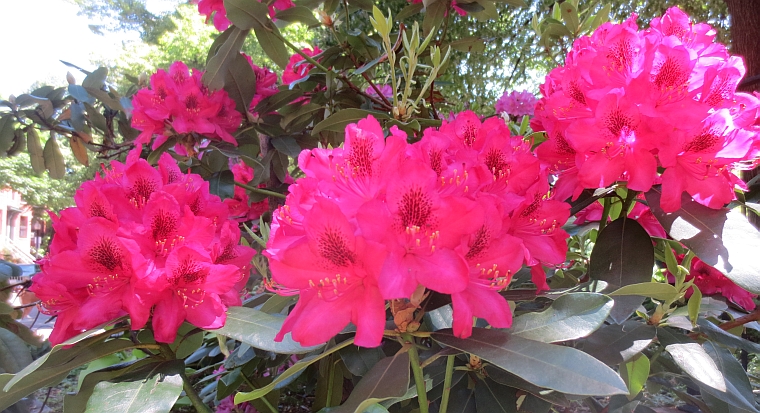
Certain people loathe hydrangeas, others loathe rhododendrons. I’m in the latter camp. When we bought our home, a gigantic rhododendron stood in front of the large window of the living room. It blocked the light and the view year-round, with its evergreen foliage and enormous stature. In late spring, it bloomed in the traditional bright magenta – a color I usually love, except in the ubiquitous form of the rhododendron. The trouble was, I had no clear idea of what to do in its stead, so it stayed in its spot, growing larger and larger from year to year, despite my futile pruning attempts.

Eventually I couldn’t take it anymore, and early one spring I chopped it down. This was a difficult endeavor. The trunks were thick and gnarled, and the roots had twisted in on themselves. It was a stubborn thing that initially refused to budge. I let it go for a few days before hacking away at it with a hatchet. Finally, it released its hold, and I fell backward in a shower of dirt and sweat.

I amended the soil and planted a double-file viburnum where the rhody used to be, in a poorly-thought-out moment of viburnum obsession. I hadn’t realized the importance of the former’s evergreen nature, and when winter came the bare branches made me question my decision. In another year, the fast-growing branches of the viburnum had reached the same proportion of the rhody that I’d taken down, leaving me with the same predicament.

Once again, I got out the saw and hatchet, and chopped away at another overgrown specimen. This was the ruthless part of gardening that, once I made up my mind to do it, I executed with cruel deliberation. Even in its relatively short time, it had somehow burrowed deeper than the relatively-shallow-rooted rhododendron, its long tap root extending beyond comprehension. I had to dig an enormous well around it just in order to get deep enough. For having such a delicate flower form, the viburnum is a hardy wench, but I fought until its death, because a gardener doesn’t give up. In the end, a bare patch of ground remained.

I didn’t move hastily to fill in the spot, enjoying the expanse for a bit and carefully contemplating what to do. The answer presented itself when an umbrella pine in the background outgrew its space beside and beneath a weeping cherry. On a rainy afternoon, I dug it gently out of the only home it had ever known and put it into the empty space that always seem to fill too quickly. The slow-growing nature of the umbrella pine was perfect for the spot, and we would have years before it would even need to be pruned.

Continue reading ...

Waiting to Inhale

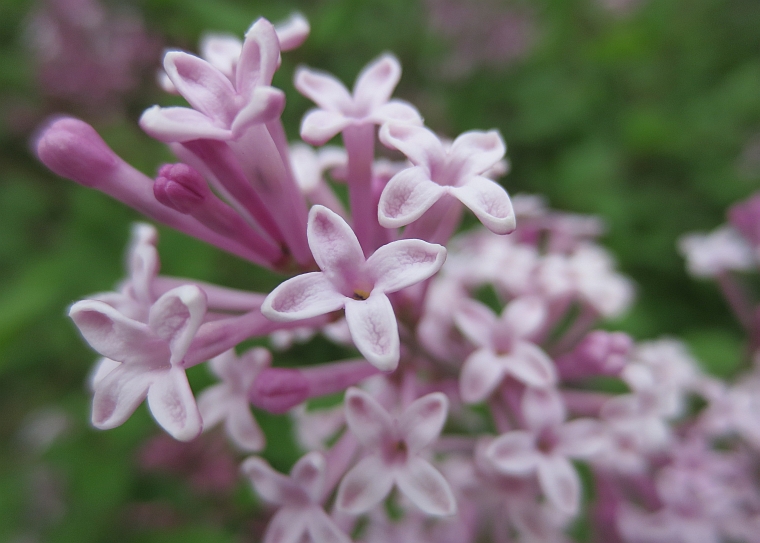
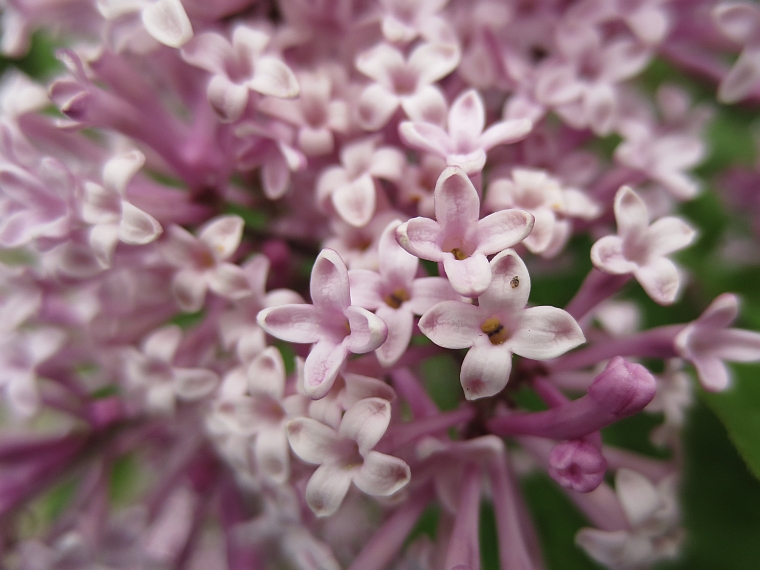
Perfectly-timed to fill in when the traditional lilac just begins to fade, the Korean Lilac offers an even more potent fragrance to ride on the spring wind. The flowers are, individually, a fraction of the size of the common lilac, but massed in clouds of blooms, as is their habit, their perfume can spread throughout their surroundings. That’s a damn fine trait for a scent this sweet.

They can grow into decent-sized shrubs, and the two in our backyard will need to be cut back as soon as they finish their show. (As a general rule, the best time to prune any flowering shrub is immediately after it finishes flowering. Most of us forget that next year’s blooms are based on the growth that’s happening now. Pruning things later in the season runs the risk of pruning out those buds.)

This plant also has neat and tidy foliage, the kind that seems to defy the mildew that plagues many other lilacs. That’s a boon for the hot and humid summers of the Northeast.

Continue reading ...

Cloaked Like A Lady

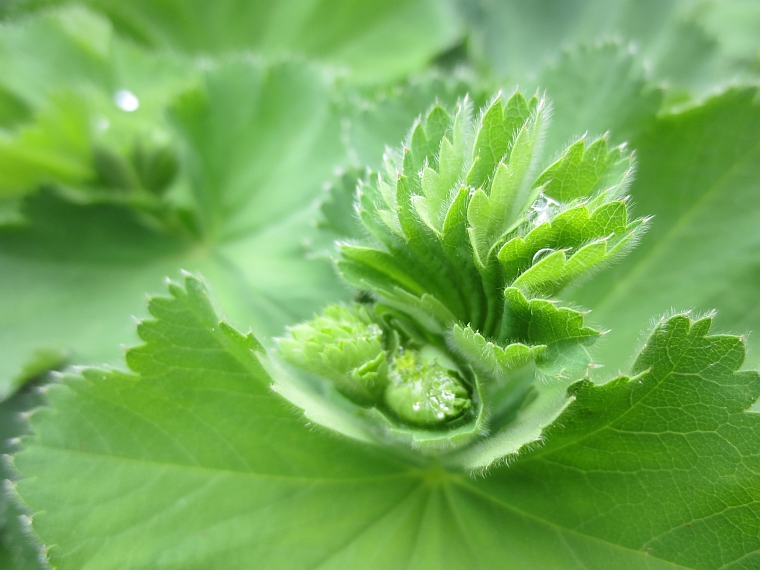
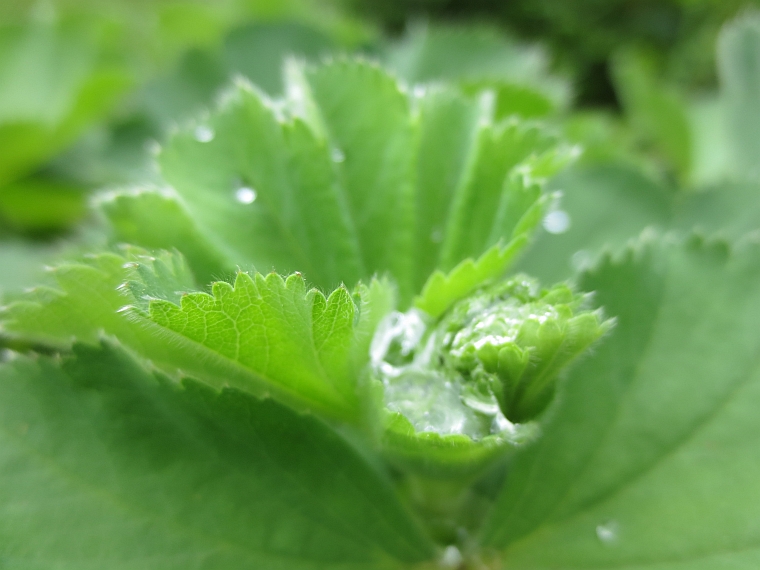
Commonly called ‘Lady’s Mantle’ this popular perennial hold drops of water more beautifully than any other. Its common name is derived from the appearance of the leaves, which look somewhat like the mantle of a lady, back when women wore such fun things. Nowadays the closest things we have are the capes and cloaks from Tom Ford and Dolce & Gabbana – not quite something the average person will wear on the street (even if I would.)

As for the plant, the foliage is not its only fine attribute – it produces clouds of chartreuse blooms in the next few weeks, and they last a relatively long time, making for excellent bouquet fillers, or a simple but powerful statement if used en masse. The shade of the blooms is the perfect embodiment of the freshness of the garden at this time of the year. For these photographs, however, I wanted to emphasize the texture of the leaves, and their structural form.

Continue reading ...

A Villain Returns…

My nemesis the groundhog came back with a vengeance the other day, decimating a perfect stand of perennial sunflowers and causing considerable damage to a large swath of cup plants in a few short hours. I’ve always preached humane tactics in dealing with such wildlife – it’s their land too – but not anymore. This beast (or beasts, as I’ve been warned there’s always more than one) has taken too much. It’s one thing to indulge in a necessary nibble now and again for survival purposes, but when something doesn’t know the meaning of moderation, it’s time to go. For the moment, I’m going to try a recommended remedy: tennis balls soaked in ammonia and placed strategically throughout the garden. Apparently groundhogs don’t like the smell of ammonia. Sadly, neither do I, but I’ll try anything at this point.

Last year the creature destroyed a beautifully lush pot of sweet potato vines, stripping every last leaf from the plant, which just barely started putting out new foliage before the summer ended. We are not having that this year. If it takes ammonia, tennis balls, chicken wire, poisoned apples or buckshot, this thing is being eradicated – if not from the earth then just from our yard. This is a ruthless business, and if there is a shortage of cup plants then there will be a shortage of seeds for the goldfinches later in the season. Nobody messes with the finches without retribution. Groundhog, you are officially on notice – and there is no second chance.

Continue reading ...

Bud of Red

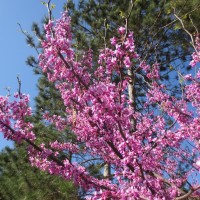
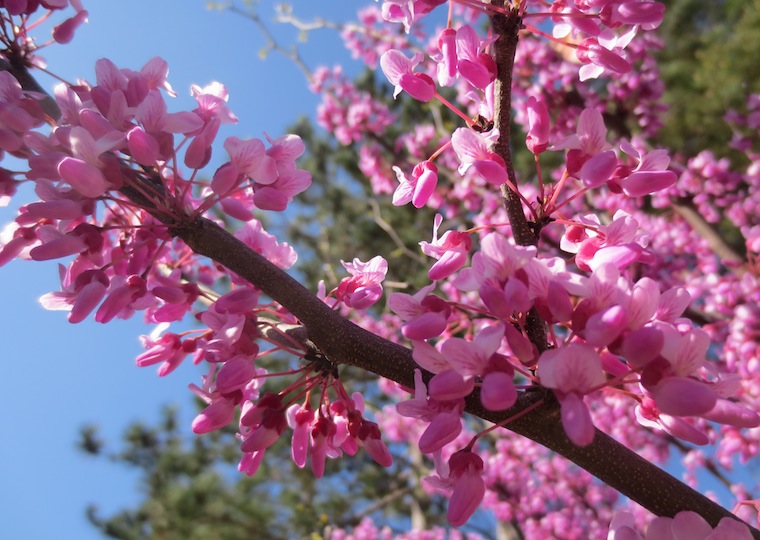
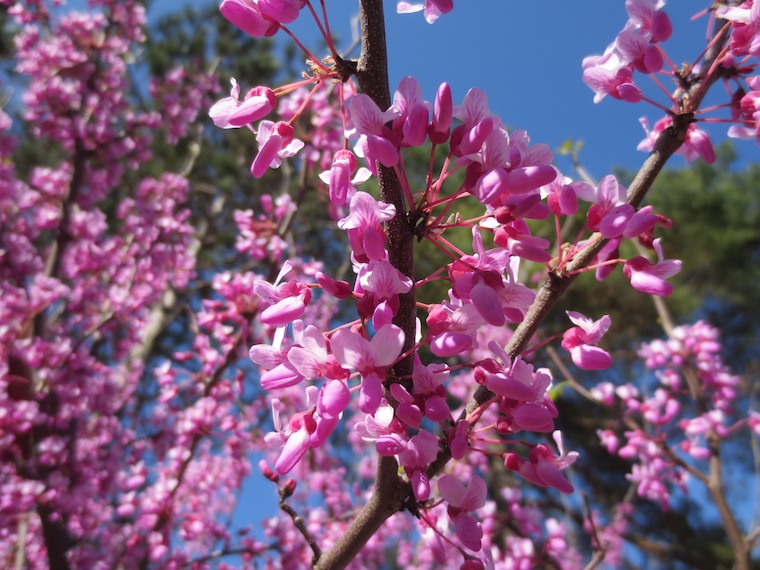
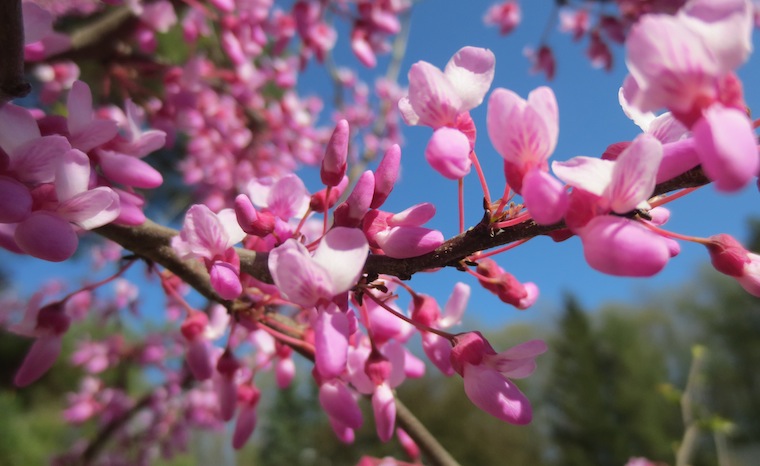
It’s taken a few years, but there is finally a sizable and noteworthy bloom proliferation on the redbud (Cercis) tree I planted in the front yard. This tree has the interesting trait of blooming directly from the bark, where it explodes in this compelling color before unfurling its leaves. I like the effect, which is reminiscent of the native dogwood (sadly on the decline). I’ve read that it will also send out blooms wherever its bark is nicked. I’m not so selfish as to score it just to bring about more flowers – especially when it puts on such a fine show without such masochistic machinations.

It makes a great addition to the garden, even if you have limited space, as it remains a manageable size (thus far at least). The branches are said to be on the weak side, but so far that has not proven to be a problem, and this specimen is in the most unprotected part of the yard. Now that I’ve said that it will probably be dealt a damaging blow, but such is the nature of the beast.

The leaves are as gorgeous as the flowers, if decidedly less showy (it would be practically impossible to rival this pink.) They are shaped vaguely like hearts, and their shade of green veers just the slightest bit toward gray as they mature. They’d be characterized as fine or handsome by those whose passion is trees – and there’s nothing finer than a tree-lover.

Continue reading ...

The Weeping of the Larch

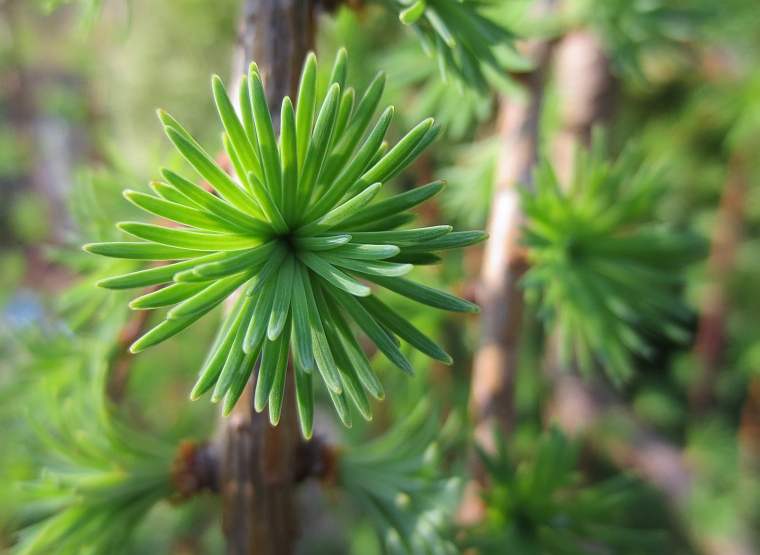
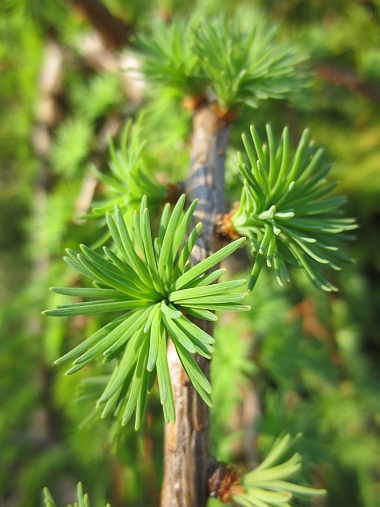
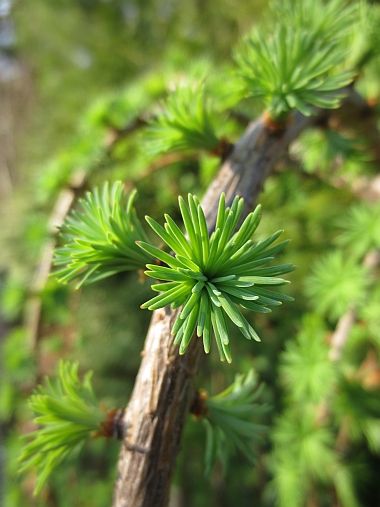
The larch tree looks deceptively like an evergreen, and I’m often at pains when insisting to friends that it’s deciduous, especially at the start of summer when it looks so convincingly like a spruce. It takes until the end of fall, when those leaves turn a stunning gold, to completely convince them, and that’s a long time to win an argument – but I’m a patient man.

It took me a long time to come around to the weeping style. It always felt too fussy for me – most of them require some sort of staking or graft to get them high enough for the weeping aspect to be realized. I may be many things, but quite contrary to popular belief, fussy is not one of them – particularly when it comes to the garden. It was a weeping Katsura tree that changed my mind. Its style was beautiful, and the way its branches cascaded down like a waterfall, or the gently-curled mane of some gorgeous woman, was a revelation. From that moment on I was a sucker for a weeper. A cherry tree was first to be planted, following by this weeping larch. The former just finished its bloom season, while the later will look as fresh as this until September.

Don’t be fooled by its seemingly fragile appearance – the larch is one of the hardier plants, withstanding winters as far North as Zone 3, possibly 2. That’s some serious hardiness – and I like hardy.

Continue reading ...

Rose of Lent, a Little Late

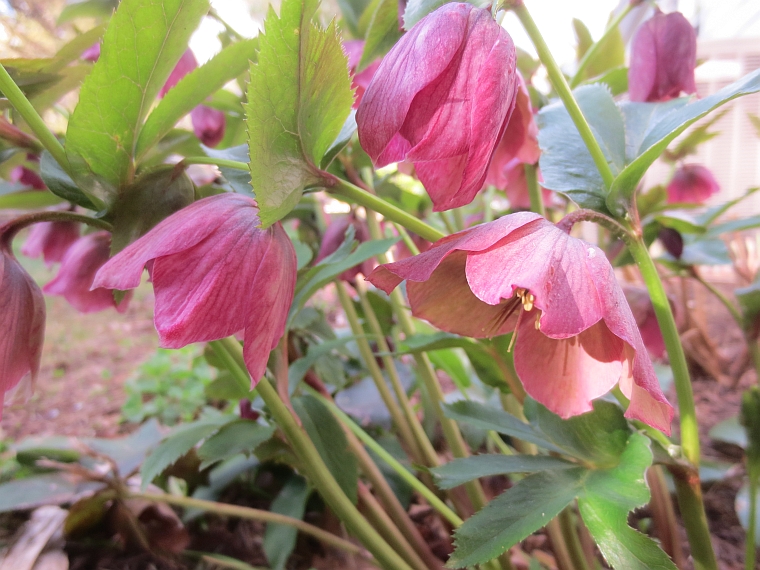
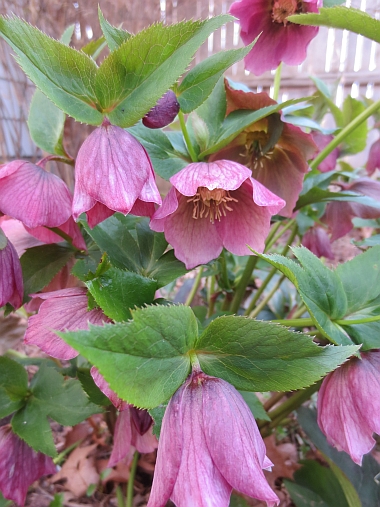
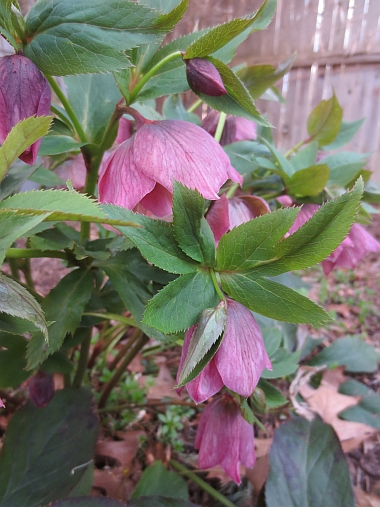
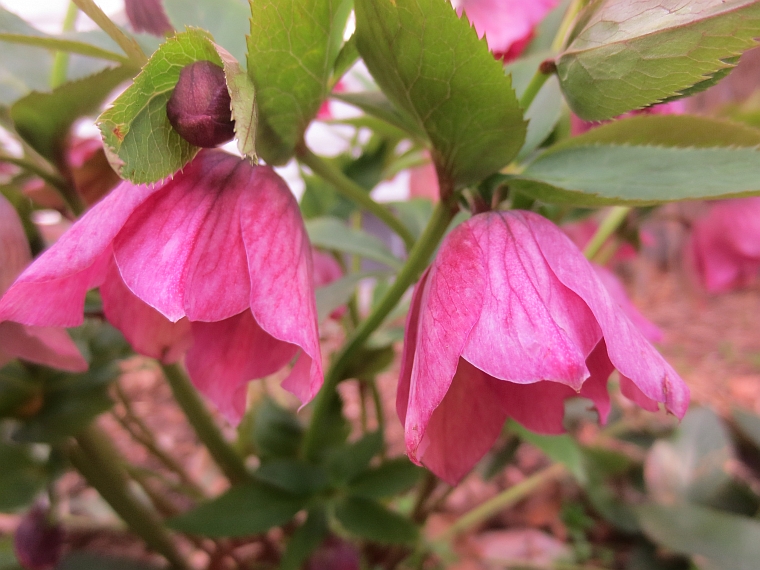
The Lenten Rose is still in full bloom. Traditionally one of the earlier bloomers, as it was again this year, it’s only coming into its own now because we had such a late start to the season. However, over the weekend it seems that Mother Nature decided to catch up a bit, and those peonies I thought might last after Memorial Day seem hell-bent on doing it on time no matter what. The Lenten rose continues its blooming cycle, and as this specimen is about ten years old, it’s mature enough to put on a lovely show.

These plants are notorious for taking their sweet time to bloom, but once they start, they offer this sort of scene rather reliably, no matter how torn and ragged last hear’s leaves may at first seem. It is best to cut them off if too badly worn – this also instigates a new flush of fresh foliage. At any rate, we are back on track.

Continue reading ...