Category Archives: Gardening

When The Fountain Runs Dry

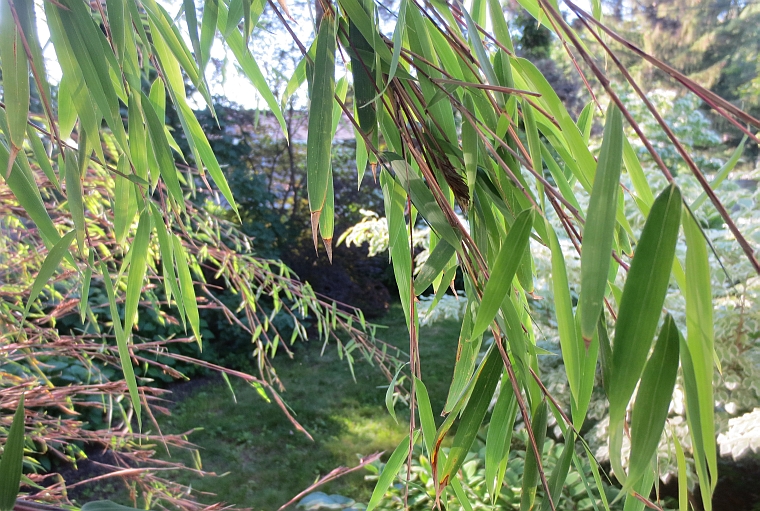
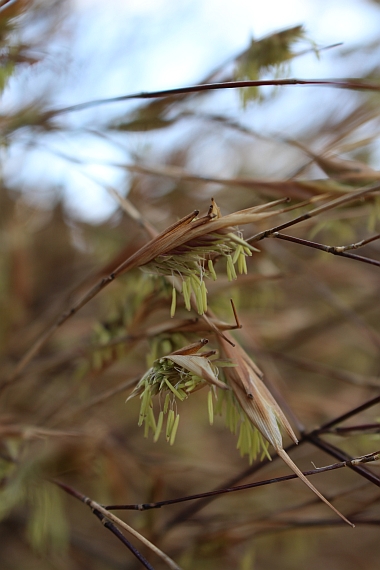
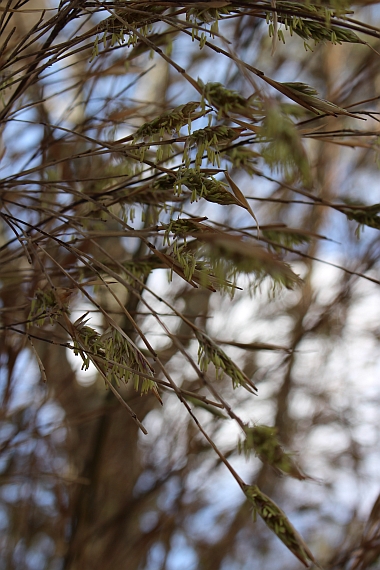
These subtle, delicate blooms are the final curtain call of our last specimen of Fargesia nitida – the fountain bamboo. We lost its companion clump a couple of years ago, and now it is this one’s turn to go. Like an old couple who die within a short time of one another, it seems our two bamboos have gone on to another world, unwilling to be alone or apart any longer. That’s the rather anthropomorphic take on the more realistic life-cycle of the fountain bamboo.

This is a long-lived plant that blooms once every hundred years, goes to seed, and promptly dies. That means there are groups of Fargesia that are going through a die-down around the world. The plants we happened to purchase ten years ago were nearing the end of that cycle. It’s unfortunate, because what are the odds of the once-a-century timing happening now?

When I originally bemoaned and lamented the fact that we were losing our bamboo clumps (they’d made a rather full and welcome buffer to the corners of the house) a friend commented that rather than regret the loss, I should be thankful that I got to see such a rare event – something that happens only once every hundred years, and it turned my way of thinking around. She was right – so when this second plant started to bloom, I took a deep breath, let it out, and smiled a little. Such was the way of the world.

It’s currently going to seed, and so will make a rather depressing sight as it goes brown and dry for the rest of this season, but I’ll collect what I can, and see if my Dad and I can start the next generation of fountains next year.
Continue reading ...

Getting My Feet Wet (And Fingernails Dirty)

Every gardener goes about their winter clean-up a little differently. Some start at one end of the yard and work neatly and methodically across the expanse until it’s all done. Some dabble a little here, and a little there, picking and choosing tasks as they present themselves. I’m somewhere in-between. I like to alternate tasks so as not to set winter-weary muscles into shock or spasm – a little raking, then a little bagging – a bit of pruning, then some soil amending. Then I’ll do a methodical sweep from one end of the yard to another to finish it all off.

This year we’re a bit behind, and usually by this time I’d have had a number of workable days in which the clean-up would already have been accomplished. When I walked out into the backyard and surveyed the sad state of affairs, I had a strange moment of wanting to give up. I contemplated not doing a damn thing, and letting the gardens and yard go all ‘Grey Gardens’ this year. With a new job and other responsibilities coming up, I felt a little overwhelmed. But I put on the gloves, unfolded the first paper lawn bag, and began as I always begin – pruning the sweet Autumn clematis to within a foot of the ground and removing last year’s twining stems from the arbor. You never when a spring or summer might be the last.

Another spring clean-up has begun, and the long, happy road to another warm season stretches far into the distance. Embrace it ~ summers are not endless, and spring is even less so.

Continue reading ...

Carving a Niche in the South End

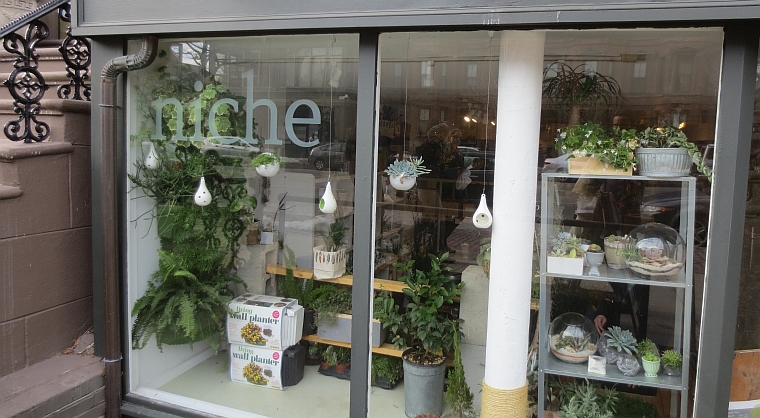
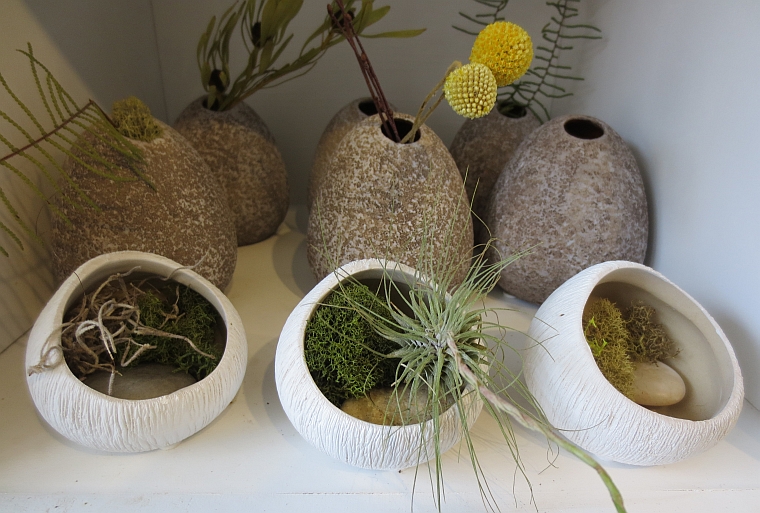
The little gift shops along Tremont Street have always charmed me, with their friendly owners, local focus, and unique selections. This is Niche – a captivating space that is the perfect antidote for these last stubborn days of winter. I’d been passing this for a while, always putting off stepping inside for one reason or another, but having been beat down by a chilly wind recently, I ducked into the shop and felt not only instantly warmer, but calmer as well.

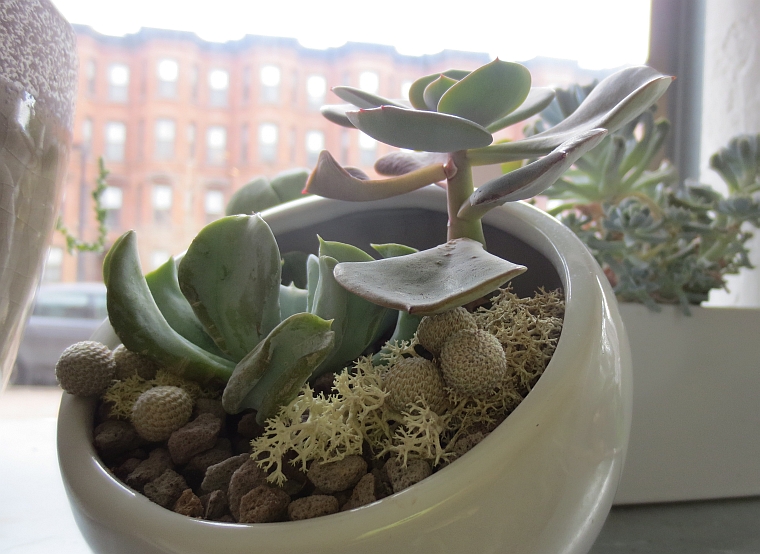
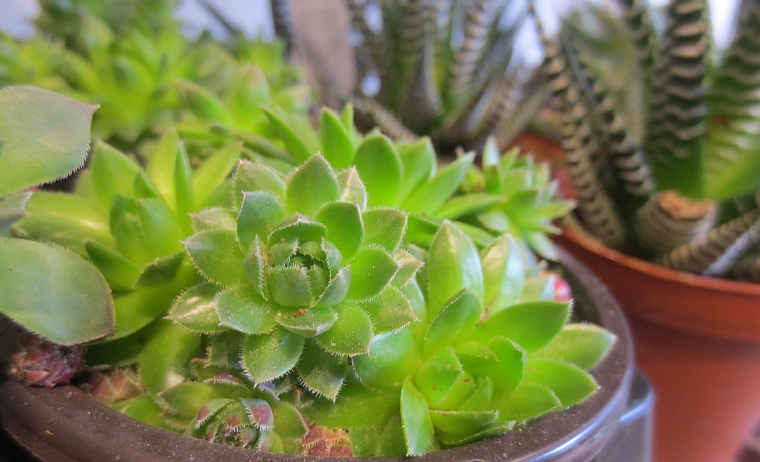
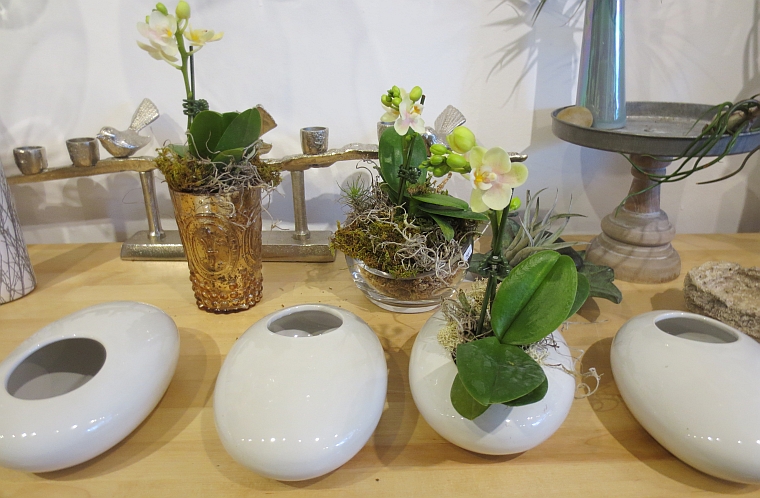
Tiny plantings of baby’s tears and slow-growing succulents peeked out of fanciful ceramic planters. Riotously-colored bracts of bromeliads sprayed outward in radial formation, star-bursts of red and yellow surrounding the spot where the real, unassuming flower would appear. The beautifully-gnarled forms of tillandsia sat perched above beds of stones and water – the powerful collusion of elements allowing for life and loveliness.

In a city like Boston, where space is of the essence and apartments and condos can be on the small side, this is a clever way of managing to have a garden in the tiniest of rooms. Hanging in one of the whimsical ceramic tear-drops, or set upon a windowsill in a simple planter, there is likely room for some of these beauties in everyone’s place.

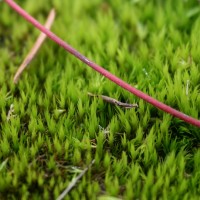
This would have been one of my favorite stores as a kid. The plants, the design, the child-like scale of it all – I would have been enthralled by every item. As it was, I remained fascinated, poring over the combinations of plants, examining the curves of the vases, studying the lime green hues of the mosses. A playground for plant-lovers and design-aficionados alike.

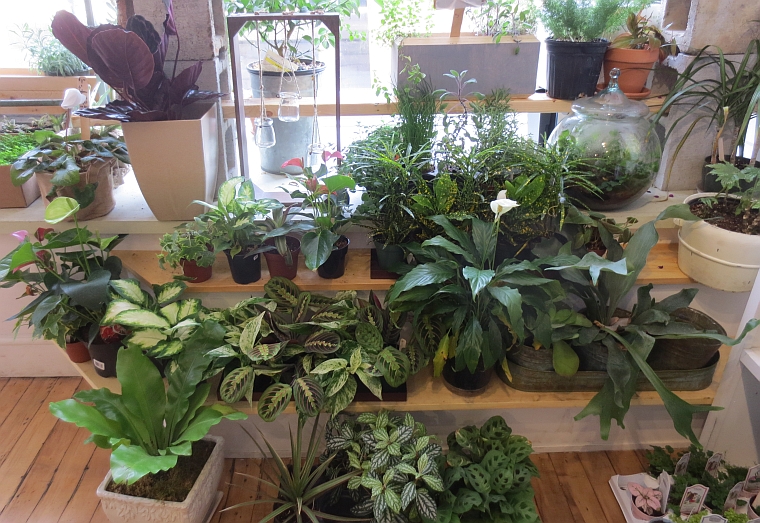
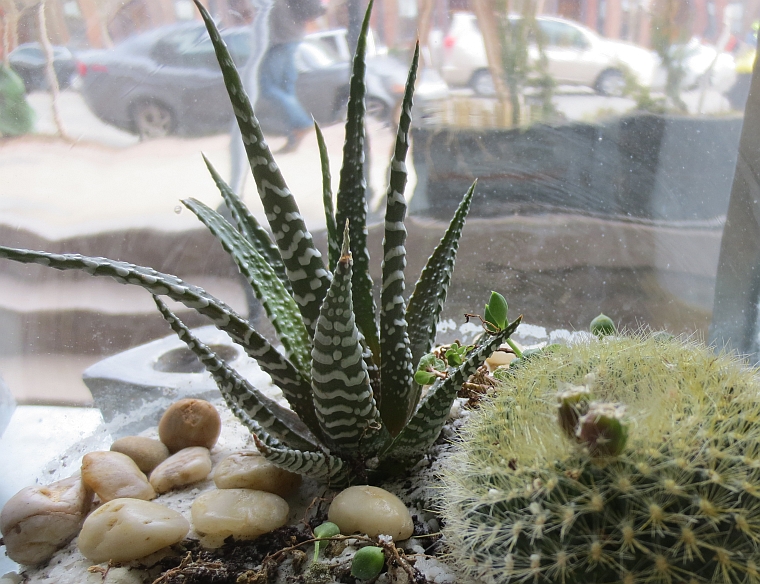
Gorgeousness filled every corner and crevice here, from the open-palmed variations of the prayer plant (which gets its name from the habit of folding up its leaves at night, as if in prayer) to the spiny architectural spikes of a variegated haworthia, waiting to send up a towering flower spike when conditions are right.

Hope is too often such a small thing, so easily looked over or forgotten. These little treasures remind me of that. They remind me to look. To pause. To remember. In the smallest of stuff, there may be found an infinite universe.

Niche is located at 619 Tremont Street in the South End of Boston. 

Continue reading ...

A Final Act of Floral Defiance

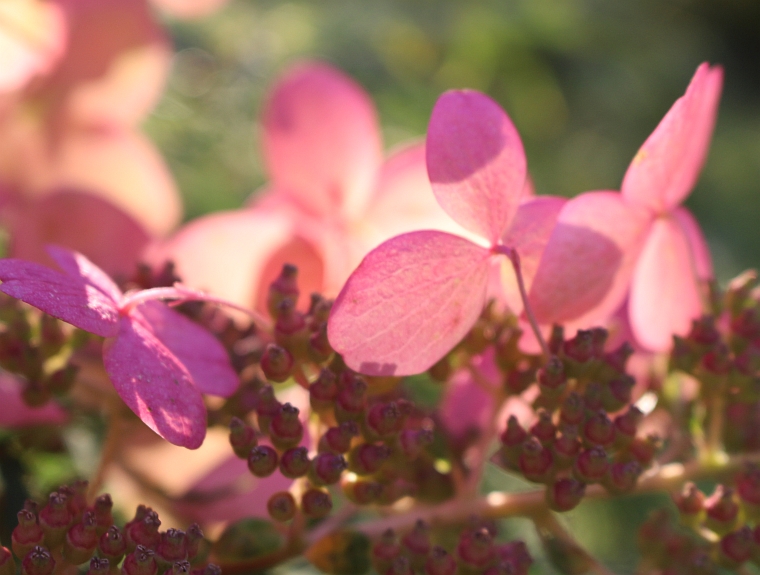
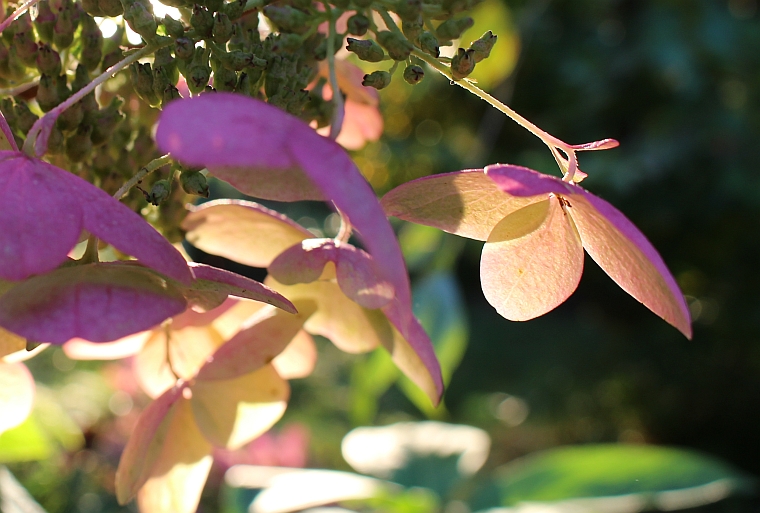
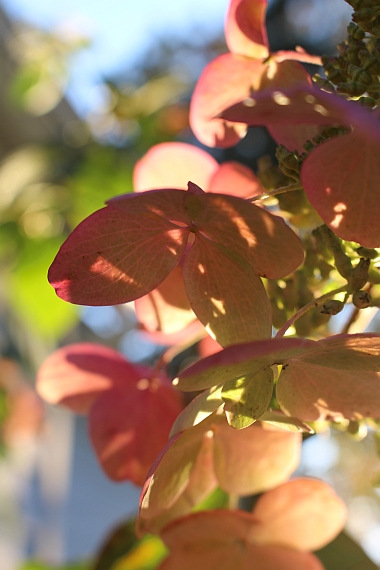
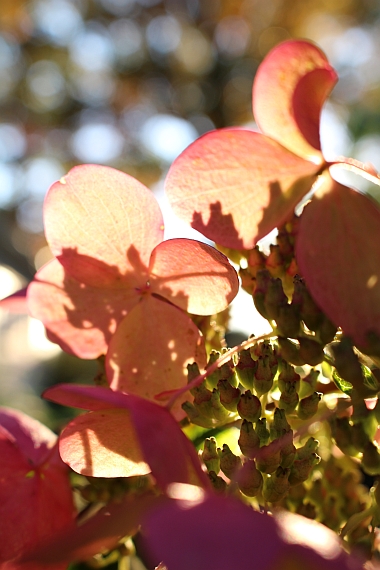
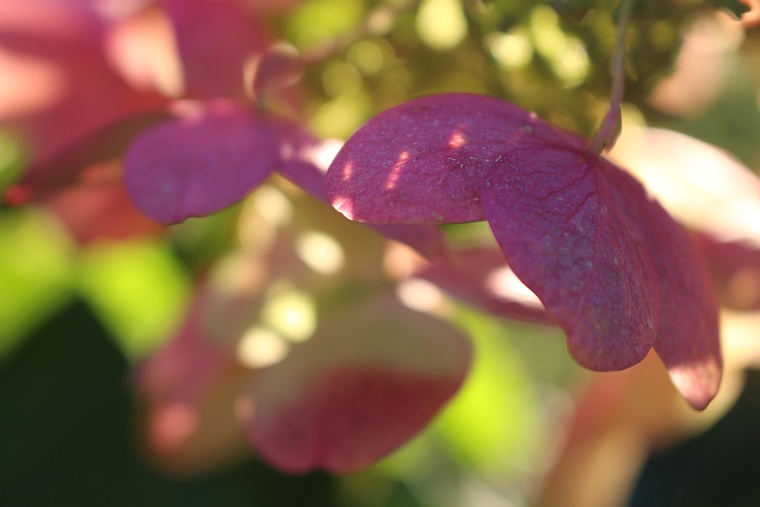
Flowers are different in the fall. Whether it’s in the form of bolder hues, smaller size, or frost-nipped deformations, they have a character all their own. They also have the benefit of an afternoon light that is lower in the sky, more flattering, and somehow more revealing. Such is the case with this hydrangea specimen, caught in this backlit moment, putting on a quiet year-end show for no one in particular – all the garden parties and patio dinners have long since ceased. Yet it blooms on, mocking the soft frosts, defying the cool wind, and holding onto its blush carriage for as long as the sun entertains its final flirtation. I admire anything that sees the show through to the very end.

Continue reading ...

When the Bark is Better than the Bite

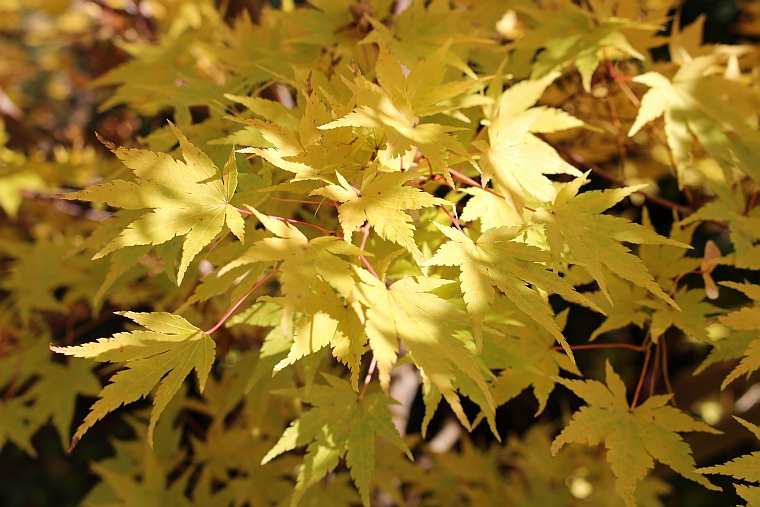
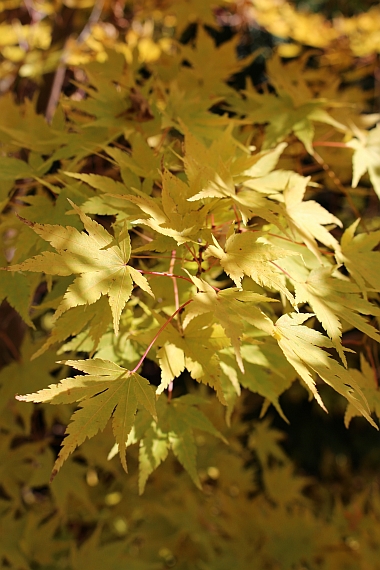
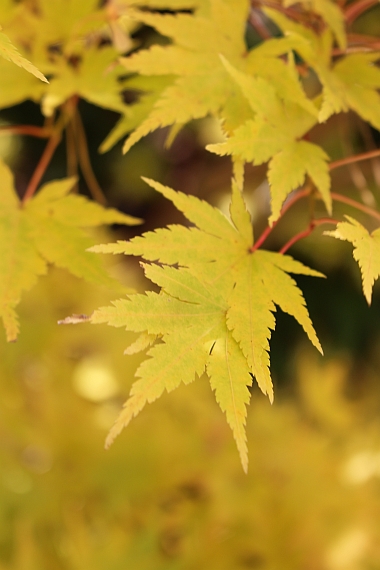
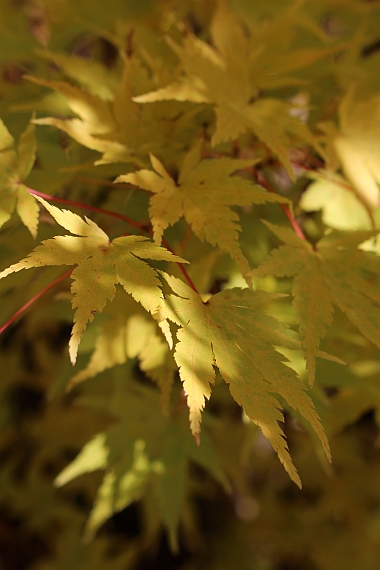
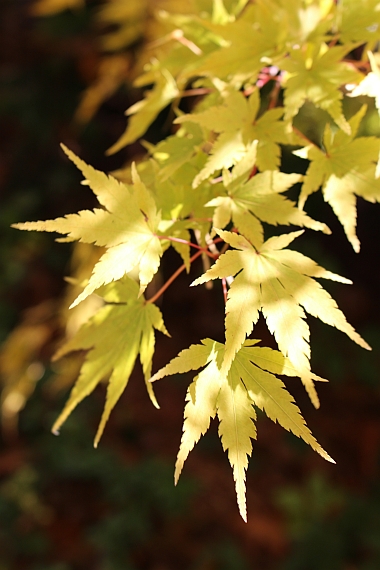
The coral-bark Japanese maple is a magical tree. Named for its gorgeous red bark, it offers a stellar all-season show, from the crimson of said bark providing a bright spot in the winter months, to the light green foliage of early spring, the deeper green of high summer, and this brilliant fall finale. On sunny autumn days, it absolutely glows, resplendent against a blue sky, and during darker spells it illuminates whatever corner is lucky enough to house its beauty. The coral aspect of the bark is most pronounced in its first few years, so pruning is beneficial not only to keep its size in check, but to stimulate new stem growth.

Continue reading ...

Colorful Coleus

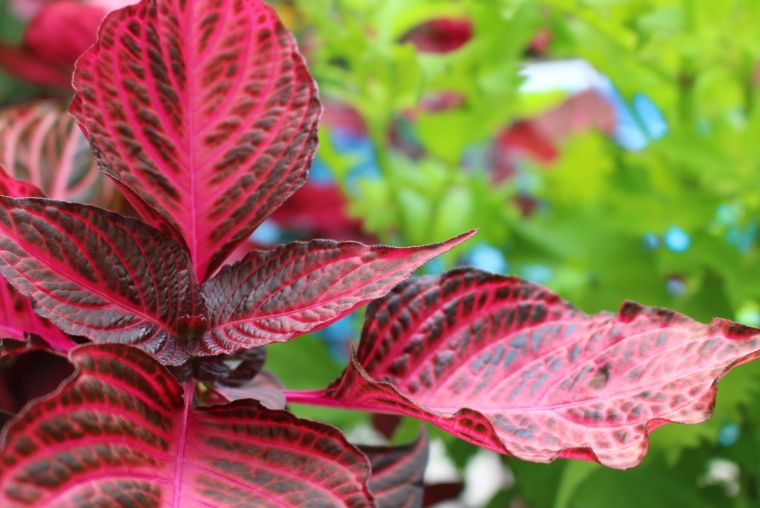
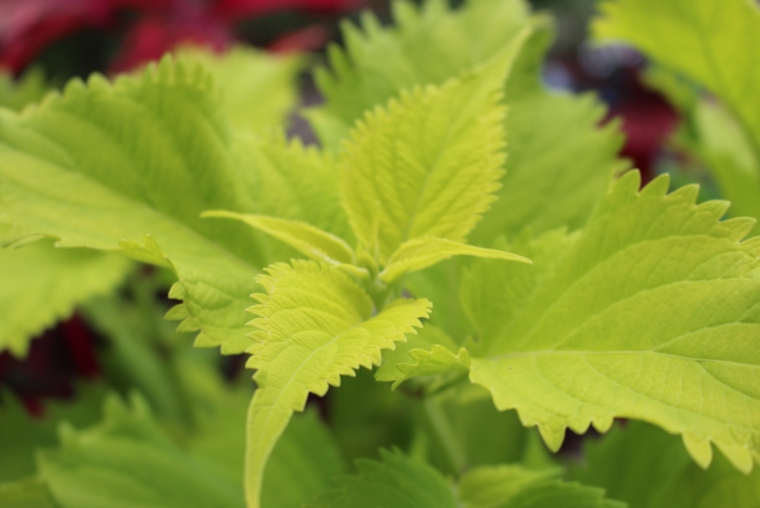
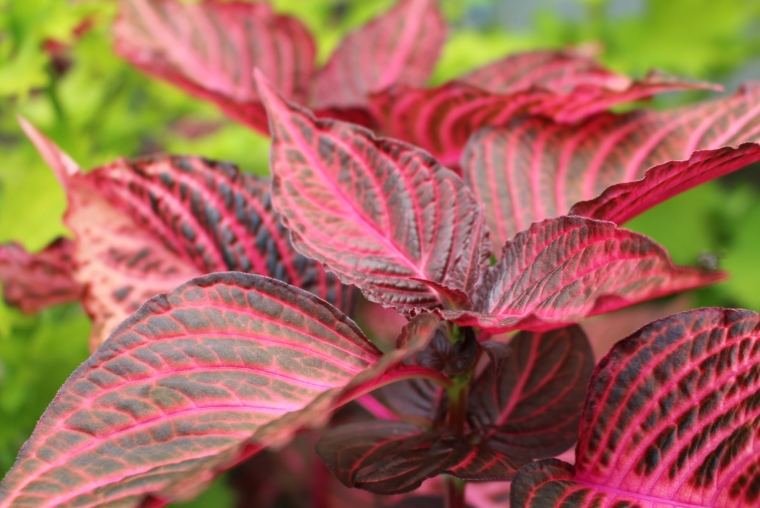
It’s been years – probably at least twenty – since I planted a coleus. Like so many others, the pull of perennials and flowering shrubs supplanted my childhood love for annuals, and the coleus had been one of those casualties. This year, I put a few into the backyard patio pots, and they have turned in this amazing show. The combination of bright lime green and the almost-magenta veining of its neighbor is striking, and just as exciting as the most exotic flowering orchid.

The main difference is in the cultivation – it couldn’t be simpler. A bit of protection from the strongest direct sunlight, a little fertilizer once every two weeks, and regular watering during dry spells are all this is required to procure a display as impressive as what you see here.

The only thing you have to do is be especially vigilant about the watering-during-dry-spells admonition. Their leaves are fine, and will wilt immediately when their pot goes dry. They spring back almost instantly if you catch them in time – but I wouldn’t push it.

Continue reading ...

Flowers of the Seven Sons

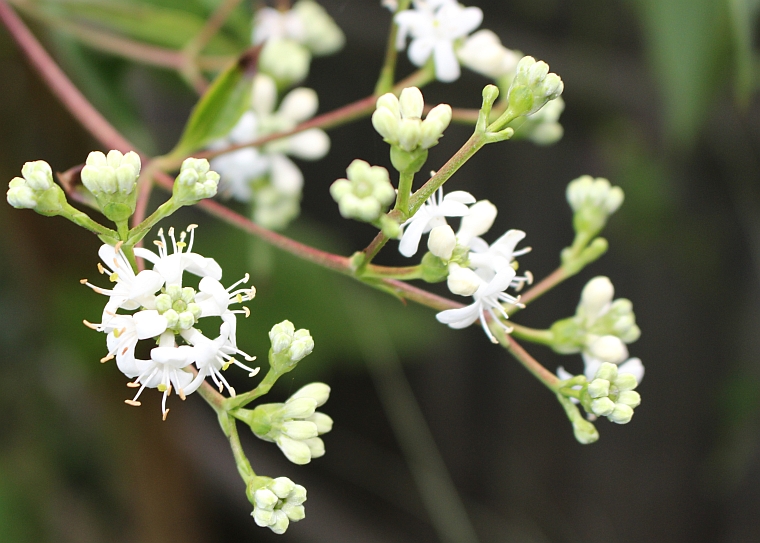
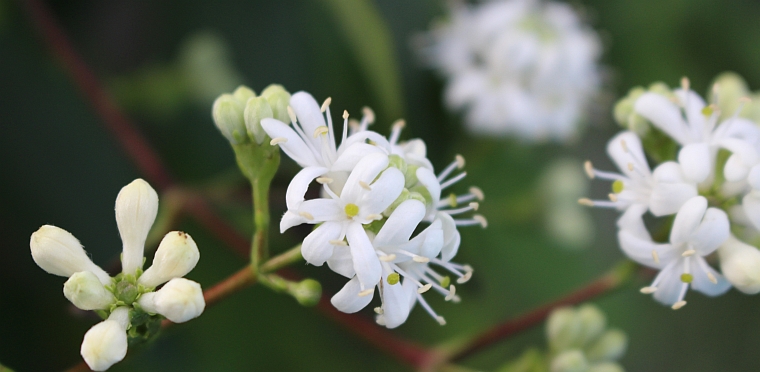
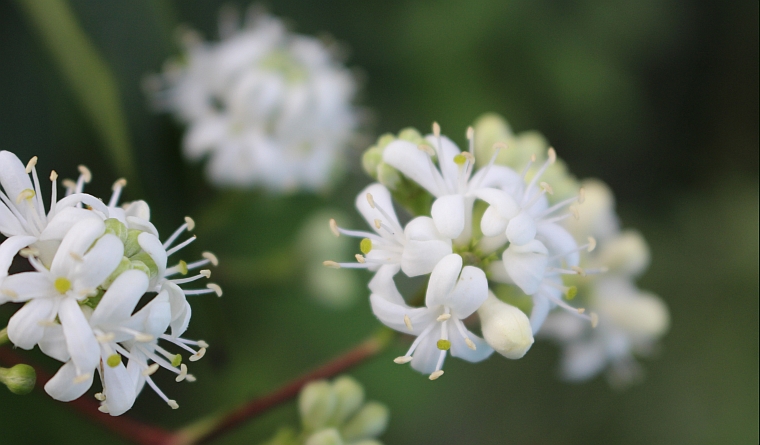
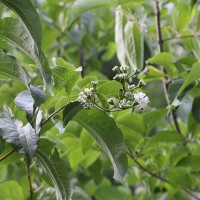
Behold the seven sons’ flower, which is actually the name of the small tree that carries these delicate blooms. In their third or fourth year, the two specimens we have in our backyard now tower above me (like so much else) and their bark is just beginning to peel off in the enchanting manner that first drew me under their influence.

The flowers, which just started blooming last week, appear at the end of summer, but the exact date is wildly variable. Some years they’ve begun as early as July, others as late as late September. Regardless, their sweet perfume is more than welcome at this time of the year, because it’s often a slow time in the garden. As much as I love gardening, I find my drive and excitement waning around now. My focus tends to turn inside, back to clothing and cologne, and away from the out of doors. I lose my interest in the start of the dying season, which is why I’ve never been very ambitious as far as fall bulb planting goes (and why I’m so often kicking myself in the barren spring).

It’s the same sort of thing that happens on the last day of a trip. I just want to cut my emotional losses and go. Why drag out the inevitable end? Yet lately part of me has been wanting to hold on, to make the most of the last moments of a vacation or trip, or even a season. It’s like the last-minute saving grace of a pear cocktail in Las Vegas – a final 11th hour appeal to hold onto the ticking of the clock – a plea to slow and still what cannot be stopped.

The seven sons’ flower blooms regardless of all this, always near the end of summer, just before the long slumber to winter commences. It doesn’t feel regret or remorse, doesn’t think ahead to its last gasp before a hard frost – it will bloom until it can’t, and then it will start all over again next year.
Continue reading ...

A Leaf to Rival A Flower

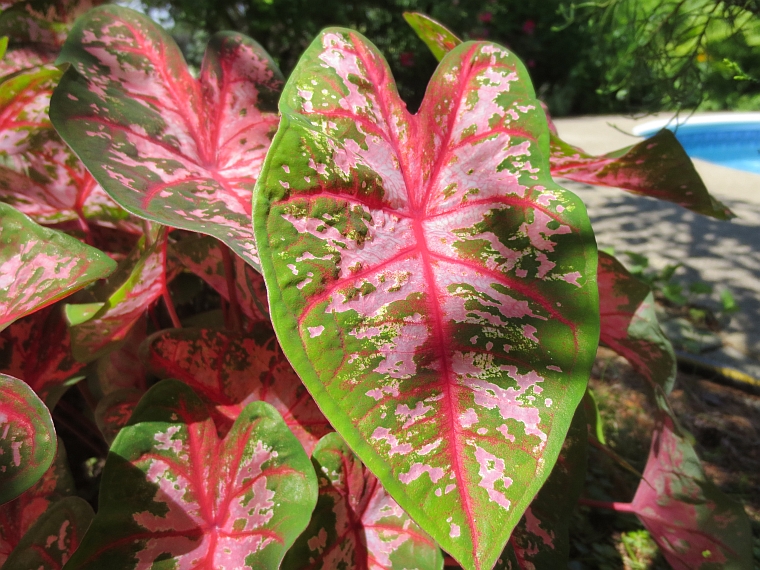
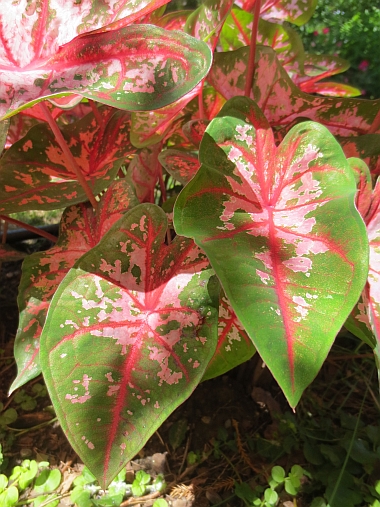
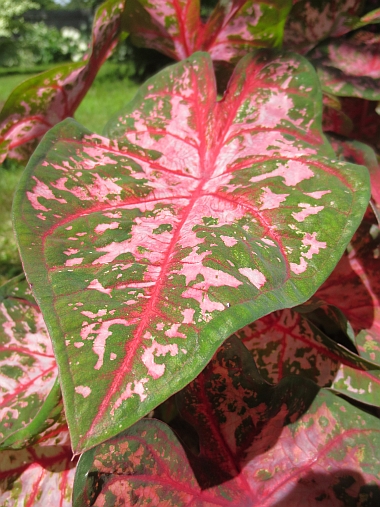
Behold, the foliage of Caladium. In a spot softly shaded by a weeping cherry, in the space that formerly housed a Japanese umbrella pine, this plant throws its brightly-colored hearts up from the ground. This marks the first time I’ve ever grown a caladium, and I don’t know why it’s taken so long to come round to their charms. (Well I think I do: I blame the mass plantings I saw in places like Disneyworld that turned me so off of annuals and the like. No matter how pretty the object, seeing it overused en masse is nothing but a turn-off.)

Yet on its own, and properly cared for and presented, this is a plant worthy of wonder and inspection. Each leaf is different, each holds its own subtle artistic variations. As if every one was painted by a different hand. The colors are the same, the order of the palette is uniform, yet every one manages to be its own unique pattern. Nature doesn’t like to repeat herself, and I take my cues from her.
Continue reading ...
Love the Flower, Hate the Form

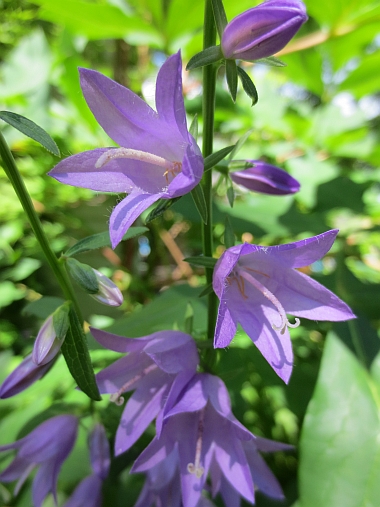
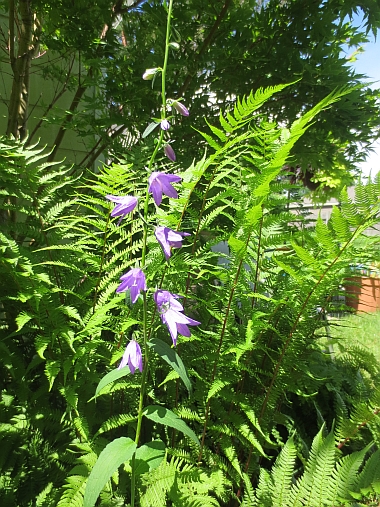
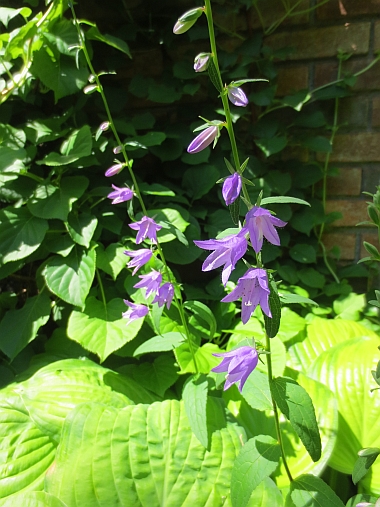
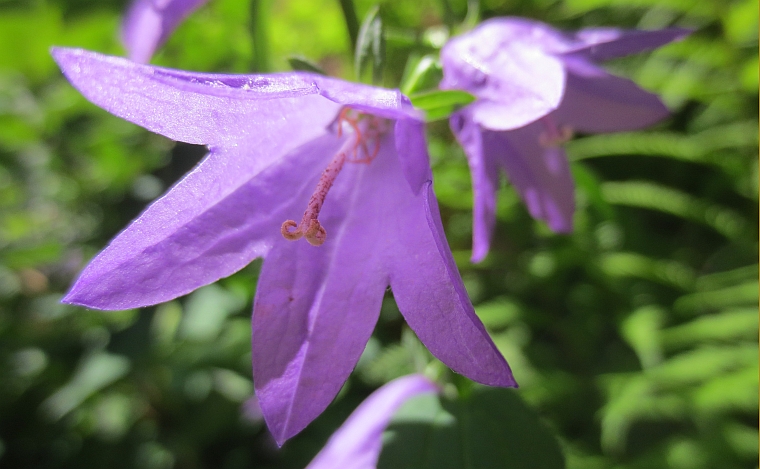
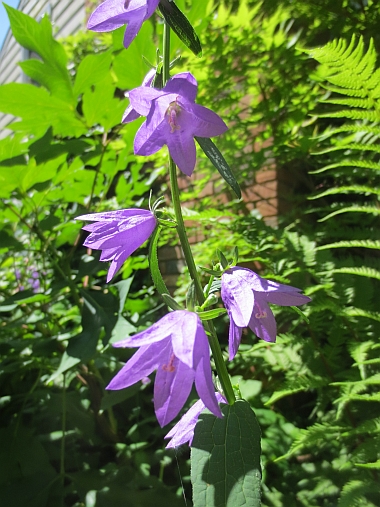
With a common-name like LadyBells one might think that I would adore this plant unconditionally. As it is, I have a few major conditions, and because of them I find it hard to love this Adenophora through and through. The flower is exquisite, with an elusive shade that almost borders on the blue. Not many flowers come that close, so those that do are highly prized. (Some contend there are no true blue flowers; I’m not that quick to be so definite, but I do know it’s a rare hue.)

My problem, therefore, is not with the flower, but with the form of the plant. Its style is too loner-like for my taste. I like my plants in mounds or mats, with groups of stems that combine to create an overall impression. The single and solitary nature of Adenophora goes against that. From a design standpoint, I know the power and importance of vertical aspects like this – my issue is a personal preference I cannot get over. The one small patch I have going in the side garden – brought in by accident with another perennial – has actually expanded into a mat of sorts, but the results, as seen here, still bother me. Again, some people adore the effect, and I do admit that when grounded by ferns or hosta it works – I just can’t bring myself to love it. Sorry, lady.


Continue reading ...

The Butterfly Weed

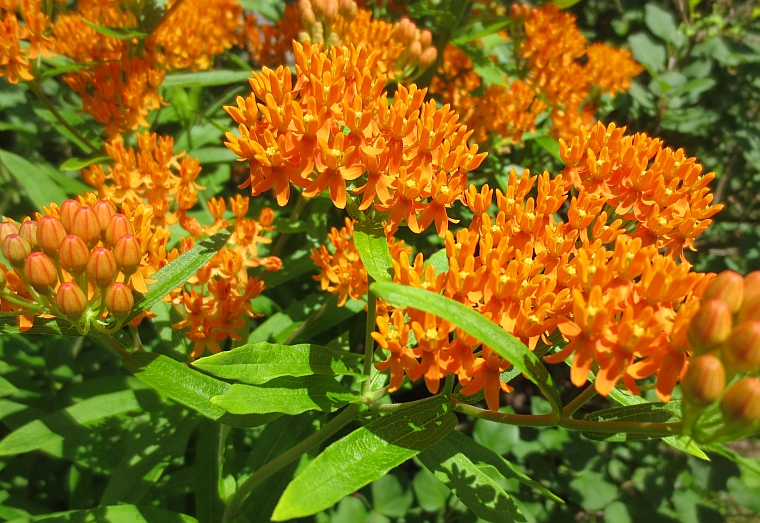
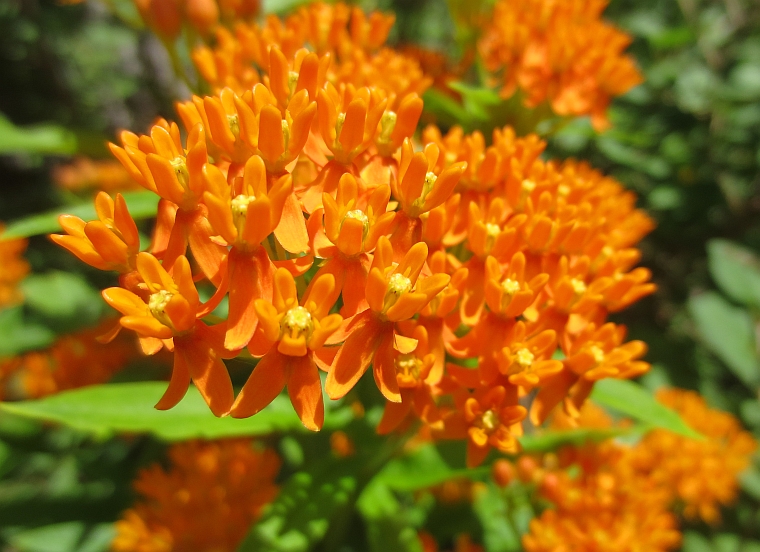
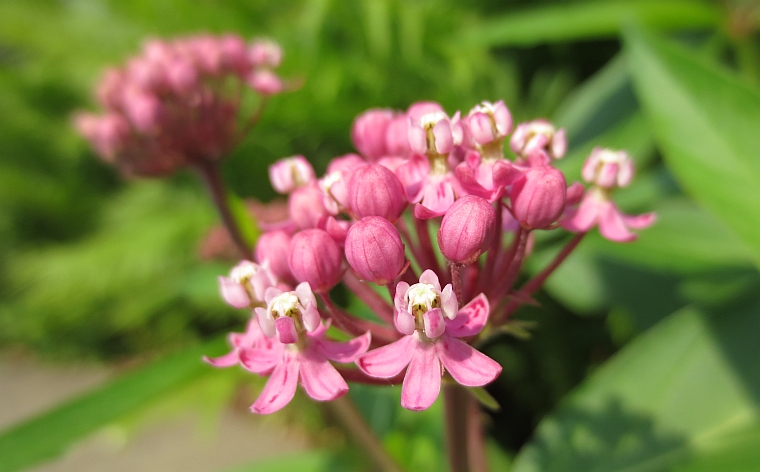
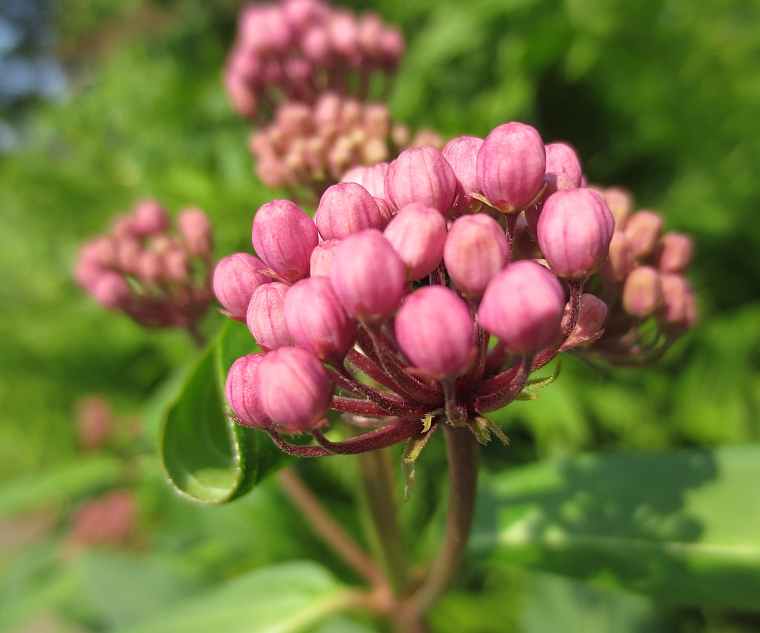
It has the somewhat unfortunate common moniker of ‘weed’ attached to it, so I prefer the scientific name of Asclepias when referencing this favored stomping ground of butterflies and bees. A relative of the milkweed, these are the more refined border versions of that prolific native plant, whose colors have been honed into bright oranges and vibrant pinks. They make an excellent addition to the sunny perennial bed, as their colors are strong, and they produce at the height of summer.

Their milkweed association becomes more apparent when the flower-heads go to seed, producing the distinctive pods that we used to open and pry apart, releasing the feathery parachutes into the wind, a seed on the end of each. Like a dandelion, they were designed to spread far and wide by the lift of the wind. As such, these tend to re-seed throughout the garden if allowed to ripen (I usually dead-head the blooms so as not to weaken the plant for the following season, but the past few years it got away from me, so there are several more of these than intended. Not a bad thing for such a great plant.)

As mentioned, the butterflies love the Asclepias, and the caterpillar form especially may find its way along the stems, chewing on the developing seed pods. For the regally-striped monarchs-to-be, I allow them the snack.

This pink version grows slightly taller than its orange counterpart, falling closer in line to its milkweed kin. Its bloom time is also slightly earlier, but a bit shorter, making it the lesser of the two in my opinion. Still, I wouldn’t throw it out of bed or border.

Continue reading ...

Strictly Prickly

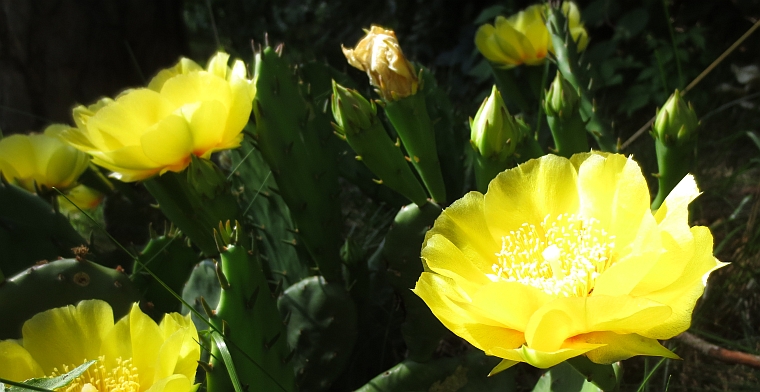
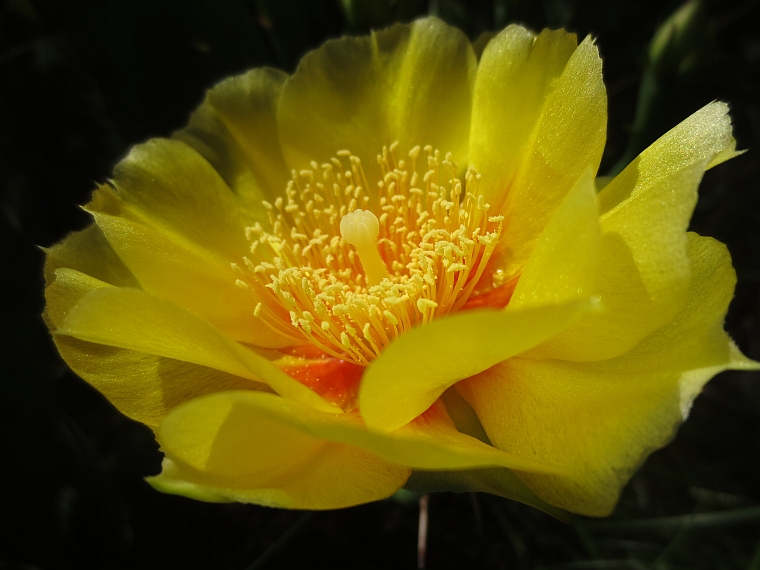
The title of this post takes its name from a saying that my friend Chris and I first heard from a server in San Juan. We asked her if she was into women (hey, it’s the conversation you have in Puerto Rico when you rack up a $300 bar tab between two people) and she replied very matter-of-factly that she was “strictly dickly”. Well, me too. That brief nonsensical aside over, this is the prickly pear cactus – one of the rare cacti that is hardy in the Zone 5 winters of upstate New York.

This small patch is located on a Southern-slanted hill that I rarely visit, so it’s always a surprise when I hear word from Andy that it’s in bloom. It’s largely left to fend for itself on a rather barren piece of sandy soil, its only shelter the thinning limbs of a struggling pine tree. Yet each spring it rises miraculously from a pool of withered, desiccated paddles, and each year it has steadily expanded, happy in its dry environs.

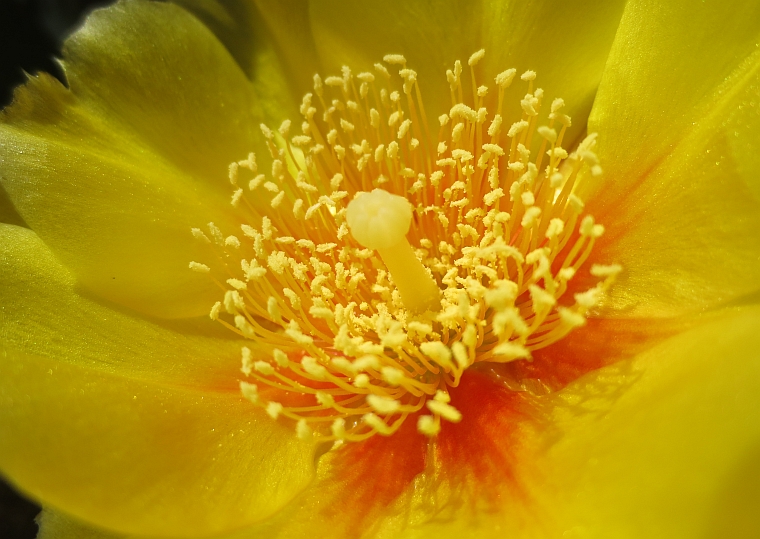
The ‘prickly’ aspect of its segmented ‘leaves’ keeps me from getting too close for weeding, but I’ll risk the proximity to capture some of the blooms, as they are exceptional. The texture of the petals is almost like velvet, and of the clearest yellow, set off by a throat of flaming orange. Like a rose, these pretty things come armed, and that’s something I can appreciate. Prickly and pretty. I can only hope to aspire.

Continue reading ...

Coneheads

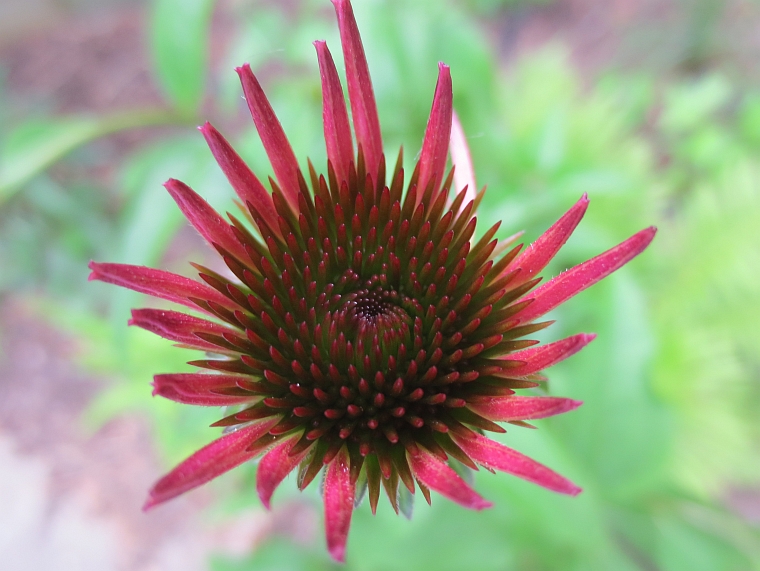
The stalwart Echinacea, whose scientific name is known to most as a natural immune booster, makes a great summer plant in the Northeast. Commonly called the coneflower, it has a long blooming period that just began this past week, manages to stand up to the wicked heat we’ve had of late, and keeps its dark green foliage fresh until the fall. Hybridizers have gone overboard in developing fragrant varieties, in a veritable rainbow of hues. I haven’t had much luck with the newer ones – they are a bit too delicate and precious for the harshness of the locations for which I’ve desired them. (The one I did put in ended up turning black and croaking within a few weeks – never a good sign.)

The traditional pink variety, seen here in radial bud, is a much better option, even if it does tend to reseed a little too prolifically. These can rise high in a happy home, all the way to three feet tall, and slowly spread to form impactful clumps. They’re also a favorite of bees and butterflies, who aid in the pollination a bit too freely. Oh well, who am I to deny anyone their intoxication?

Continue reading ...

Late-morning Lace-cap

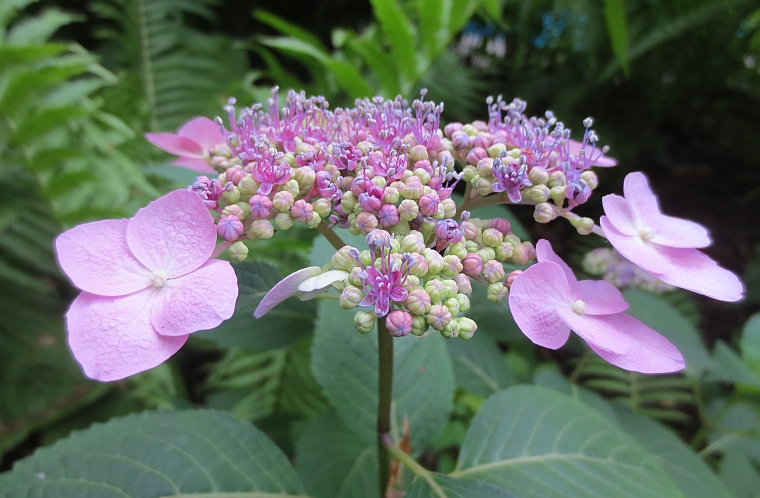
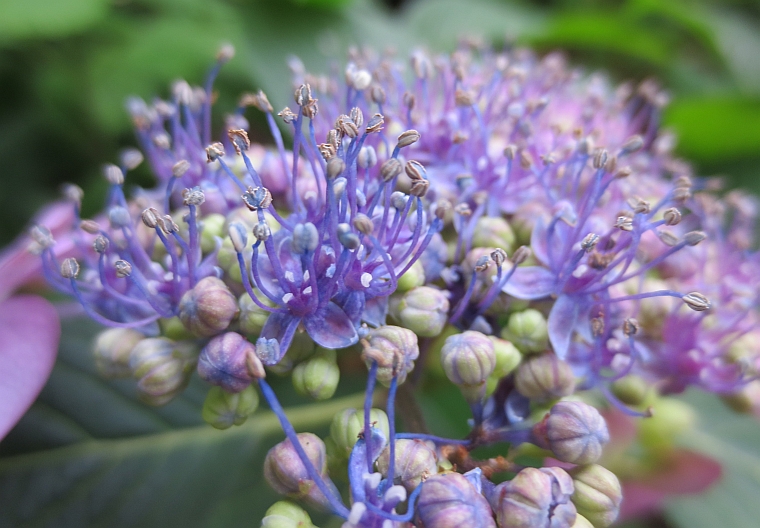
The lace-cap hydrangea. If you think that the traditional hydrangea is overbearing and obnoxious (or even loathsome), this variety offers a subtler approach to flower presentation, delicately throwing out a few limited umbrels of “petals” that surround the true blooms. Like many people, I didn’t cotton to these in the beginning, more easily impressed with the hybridizers’ monstrosities, but as my taste has matured I find myself more enchanted with these blooms than the bolder flower heads of the flashier versions.

The plant has an airier feel to it as well – a little looser, less dense – that lifts the garden during what can be an oppressive time of overcrowding. This year I’ve come to appreciate the space between plants, something that most gardeners strive to fill as quickly as possible. That space, however, becomes integral as leaves fill in on their own and branches crowd together leaving little breathing room. In rainy seasons like the one we’ve had, circulation is of paramount importance, particularly around plants susceptible to mildew or fungal issues. Luckily, the hydrangeas don’t suffer from that, so for them it’s more a question of aesthetic value: the juxtaposition of the bold green leaves and these airy blossoms against a rich groundcover of bark mulch is a gorgeous combination.

Continue reading ...

The View from our Bedroom

Framing the bedroom window is the last gasp of this fountain bamboo, Fargesia nitida. This is the other half of the pair of plants I put in when we first purchased the house. As previously mentioned, this variety blooms once every hundred years, goes to seed, then promptly dies. As luck would have it, this marks its hundredth year, and it has, according to natural plan, gone to seed, so our view will soon be completely unobstructed. That’s not a good thing, as I love a bamboo in full leaf, and I’d grown particularly attached to this beautiful specimen. Such is the circle of life. I’ll save the seed again and see if I can’t start a new legacy to last another hundred years.

Continue reading ...

I Absolutely Do Not Loathe Hydrangeas

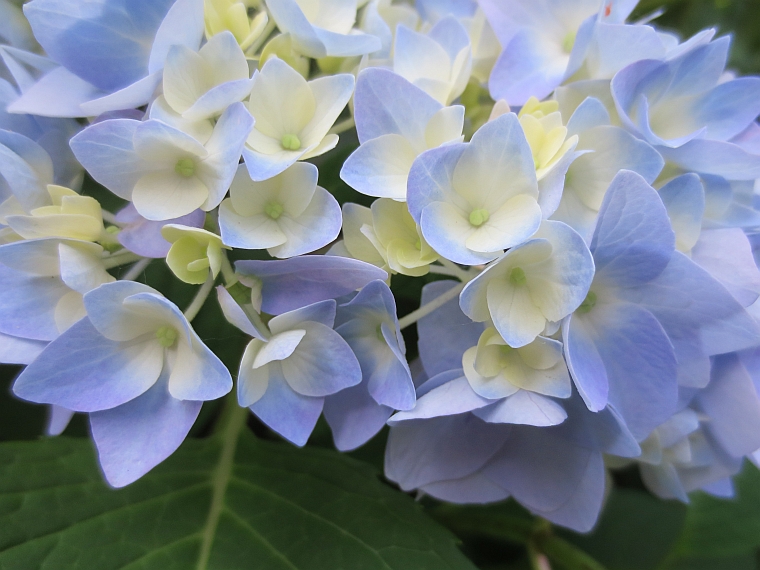
Unlike a certain someone, I absolutely love hydrangeas, even if they don’t always love me back. Our soil is not quite acidic enough to uniformly color these beauties deep blue, so they vacillate between purple and pink, especially as they mature. Some days, though, if the light is just right, and the sky is helping tilt them in the right direction, they’ll appear the closest to blue they’ll ever get. (By the way, you can nudge them into the blue region by modifying the soil to the acidic side. Many myths exist as to how best do this – coffee grounds, rusty nails in the soil, a diluted sulphuric solution – all go towards bringing out the blue in some hydrangeas.)

This variety is the now-ubiquitous ‘Endless Summer’ hybrid that blooms on new wood. Many hydrangeas only bloom on old wood, and if you have particularly punishing winters as we do in upstate New York, you can’t count on the buds surviving. Varieties like ‘Endless Summer’ provide blooms every year, so you need not worry so much when the winter turns harsh.

Continue reading ...