Category Archives: Food

Abelskivers

Or Ebelskivers depending on your preference.

Whichever you spell it, these rounded Danish pancakes are a new obsession of mine, even if my diet doesn’t quite embrace all the flour and sugar and jam and jelly and cream cheese and syrup that properly goes with them. For an upcoming brunch, all dietary restrictions are being suspended. If the government can shut down, so can my diet.

These Danish treats have their own special pan for making them, which I found on my one true addiction, Amazon.com. As with most brunch dishes served to friends and family, this one got a test run a few days ago, and happily it was a resounding success. The main trick to cooking them is getting the turn-over just right. Basically, you heat the pan on medium and put a tiny amount of butter in each form, then pour a tablespoon of simple pancake batter in, along with a dollop of whatever filling you so desire (a favorite jam or jelly or cream cheese or any combo thereof) and let it cook. When the sides pull away a bit, slowly turn it over so the rest of the runny batter falls to the bottom, and cover with the cooked part of the pancake. A few minutes more and the whole thing should be cooked and combined in a lovely little rounded pouch of deliciousness. (To make the flip, I used chopsticks – I’ve read that some have employed knitting needles, but we didn’t have any. You think I can do all this AND knit too?)

Thanks to the non-stick pan I had, they slid out with ease, and clean-up was a breeze (not as breezy as if the pan withstood a dishwasher, but as breezy as it gets without that option). I found them much easier to do than waffles or regular pancakes, and the surprise filling is the perfect whimsical touch for brunch. Add a pot of warm syrup and some sifted confectioner’s sugar and the decadence factor shall be fulfilled.

Continue reading ...

Whaling in Oklahoma, By Way of Boston

{This little review is from my TripAdvisor profile.}

Taking its name from an unnecessarily-outlawed practice in a very-land-locked state, ‘Whaling in Oklahoma’ occupies the former stead of Tremont 647, and though I was initially devastated to hear of the latter’s closure, I’m happy to report that what follows in its tracks is a restaurant of equal, if not greater, inspiration and excitement.

On a recent frigid night, the kitchen-side tables offered cozy respite from the biting outside air, and as we sat looking over the menu, we overheard the explanation of the namesake from a server. To the relief of the denizens at the next table, ‘Whaling in Oklahoma’ is more about an attitude of gleeful defiance and out-of-the-box thinking than any actual mammals on the menu. (That menu changes slightly based on what is in season and what moves the chefs, so what you see on the website is subject to variation.) On the night we visited, pork was what called to us the most, so we ordered three dishes featuring the flavorful meat. (Most of the dishes on hand are designed to be shared in smaller, tapas style, and will come out as soon as they’re ready, adding to the adventurous aspect that one should embrace here. Our server advised about two to three dishes per person, and it worked out well.)

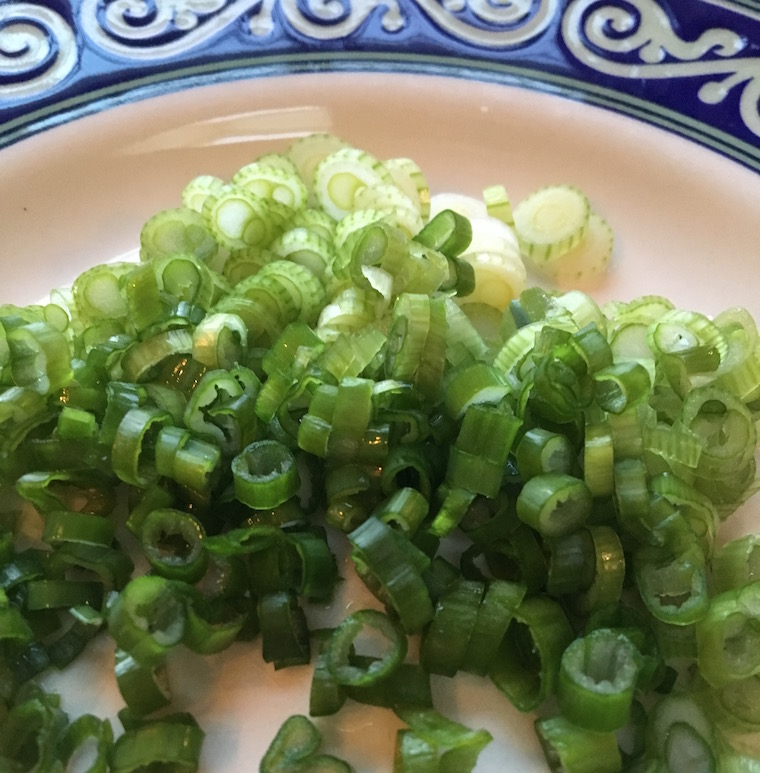
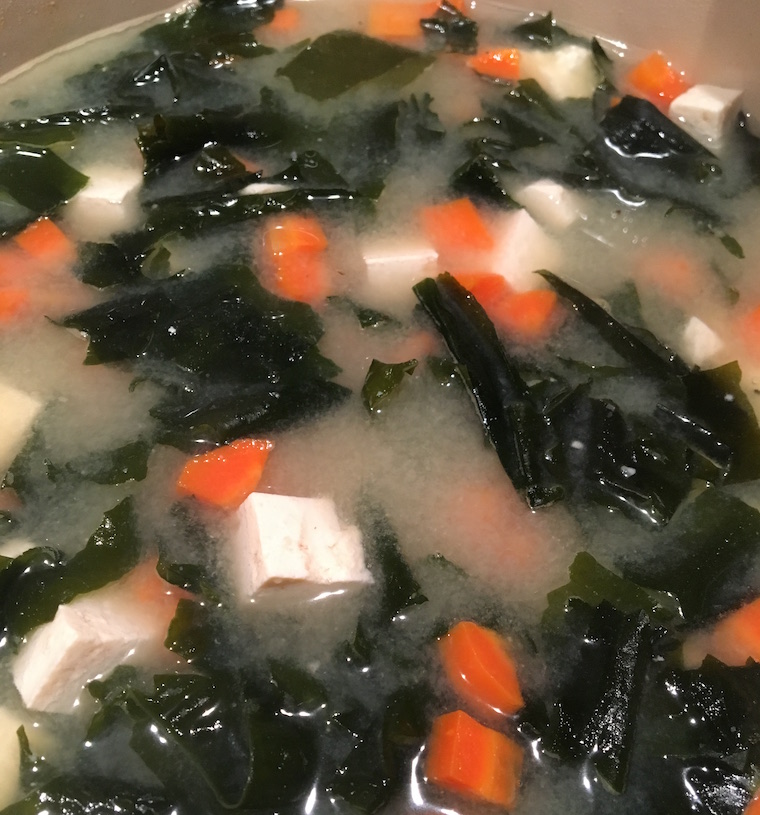
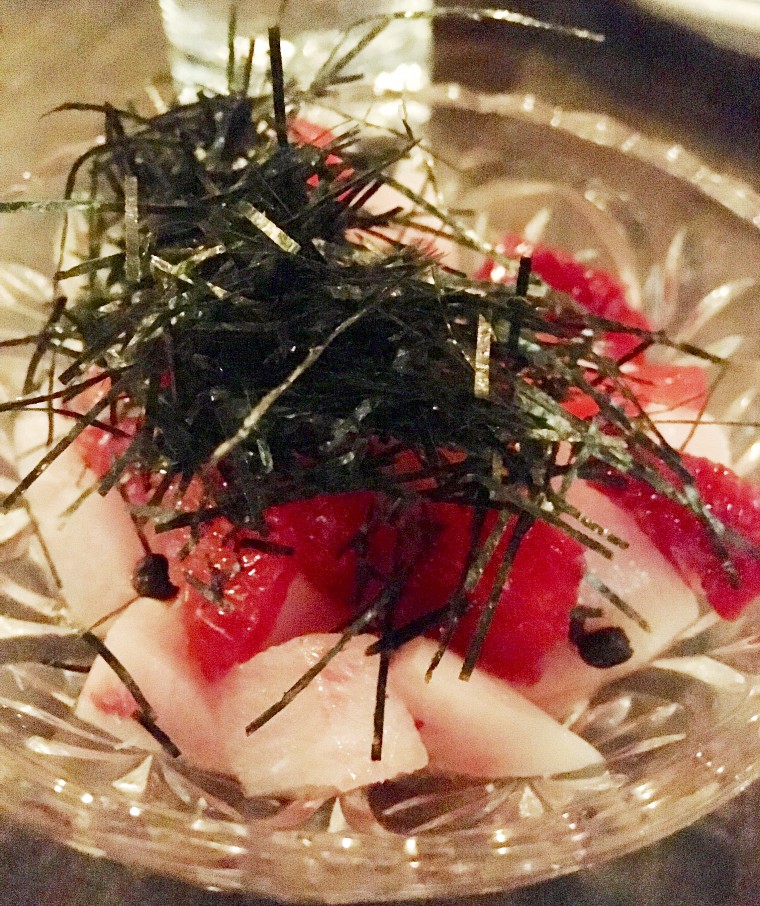
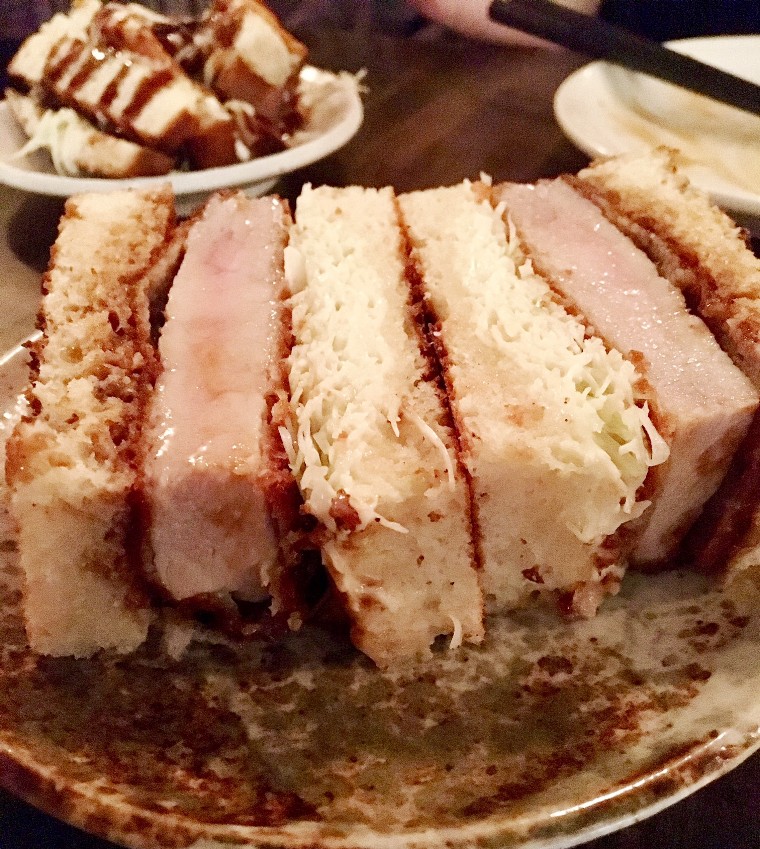
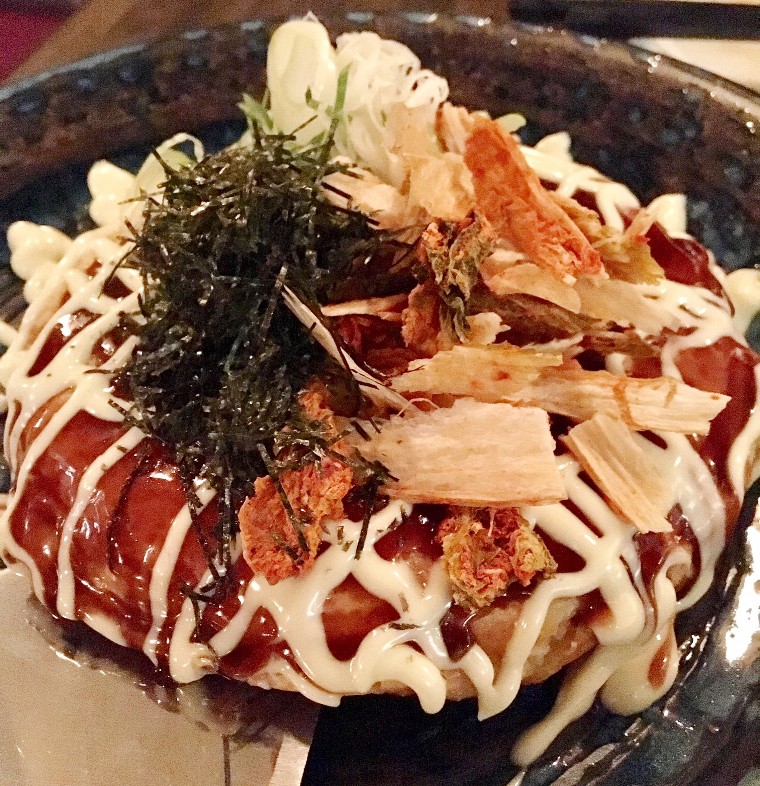
Heavily influenced by Japanese flavors and traditions, the parade of plates we tried just kept getting better. It began with a simple Hamachi with blood orange, sansho pepper and nori. Cut into smaller bites, it was better able to absorb the surrounding flavors. An auspicious beginning to the meal, it was followed immediately by the miso glazed eggplant. The subtle flavor was enhanced by an ample and integral helping of sliced green onions. These two dishes were but a lead-in to the main event – a one-two-three pork punch that started with one of their specialties: the pork cutlet sandwich, with all its typical Japanese accompaniments. This one is cut neatly, crusts off, but in keeping with their motto of waste-less sustainability, they give you a second dish of the crusts and any additional items that may have been shaved off, then drizzle more of the sauce on it, and it’s simply wonderful (because after you finish the main sandwich, you will still want more – it’s that good). The steamed buns continued the porky fun, their spongy soft vehicle carrying some delicious twice-cooked pork belly and greens. The finale and culmination of the pork parade was found in the Okonomiyaki v. 1.2, which was more pork belly, some crispy kimchi and a coating of cheese that sends it into a different culinary atmosphere altogether. One of the pricier dishes at $17, this could easily be a meal unto itself, but then you’d miss out on all the other opportunities.

A decadent list of Japanese-inspired cocktails looked especially tempting, but for my dry January I opted for one of their booze-free options – the Shiso Peach. The mint-like shiso added the depth and freshness necessary to erase any alcohol-free regret. We’ll return in later weeks to sample some of their more potent offerings, including an intriguing trio of high balls.

This part was new to me: there is a 3% kitchen appreciation fee tacked onto the bill, which is noted on the menu. As explained, this is designed to help the kitchen staff share in the success of the restaurant, and purportedly to make a better experience for the guest. If that’s the secret to the culinary magic on hand, I won’t complain.

Continue reading ...

Char-hooter-what?

For far too many years I shunned charcuterie. It makes no sense – so much of it seemed to be about presentation and appearance – one would think it would be my cup of pekoe. Alas, I’m much more practical than most give me credit for being, and when it comes to food I’m not all that fancy. However, a few years ago Andy and I stopped at the Lucas Confectionery in Troy, and I ordered a charcuterie platter as a meal, and since then I’ve been a convert.

Lately, I’ve been working on eating a little healthier, and that means portion control. I found myself actually finishing one of the big dinner plates from Lanie’s (which normally last for two meals) and busting through waist sizes like every day was Thanksgiving. A simple collection of charcuterie, when chosen carefully and feasted upon in good time, is a good way to slow things down and remind oneself of the joys in eating. I’ve also come to embrace the precious nature of its display.

For New Year’s Eve, our extravagant plan was to stay home and do absolutely nothing. To add just the slightest bit of flair to such humble proceedings, I put together this charcuterie plate, which I served with our annual NYE Fondue Savoyarde. Along with the meats and cheese, I added some olives and cornichons. They may seem like frivolous afterthoughts, but I found them integral to the spread, right down to their cute little bowls. (Suzie would be proud of all the mini dishes.)

All in all, it was one of my favorite meals of 2018; here’s to more of that this year.

Continue reading ...

The Excellence of the Egg

An apt symbol of a new year, the egg represents many ideas.

Mostly though, I just like to eat them. 

The soft-boiled egg is a beautiful thing. I also find them easier to make than poached, fried, or even hard-boiled eggs. That may seem strange, but I’m a strange bird. (Scrambled eggs, whisked or otherwise, remain a specialty, so that’s still the simplest method I use, but these soft-boiled tips may make for an easy alternative.) 

Here’s what I do: boil a small pot of water, using just enough water so it will barely cover the eggs. It should rise to a medium boil, bubbling but not too violently. Carefully lower three eggs into the pot, turn down the heat a bit so a low boil remains, and cover loosely. Start a timer for exactly seven minutes. When it’s done, carefully put the eggs into an ice bath to stop the cooking immediately. After the eggs have cooled for a bit, gently tap each with a spoon around the center to break the shell, and peel away. The seven minutes and medium to low boil seem to be the keys here. It took some practice, but now they come out pretty consistently. This is also the most delicious form of cooked eggs – the yolk is wonderfully runny, like some rich buttery sauce, and the white is tender and moist. It’s enough to sprinkle with a bit of salt and pepper for an easy protein-rich snack, or use them as accents on many sorts of dishes. I find them especially good for lifting up a plate of leftovers. 


Continue reading ...

A Filipino Feast of Seven Dishes

As a gift to my father (who has never had a big desire for Christmas presents) I offered to make this year’s Christmas Day dinner, and I decided to add a few items to the staples I know how to cook, resulting in seven traditional Filipino dishes. For the most part, they turned out well, and despite some sketchy deep-frying danger (the pork skins were maybe not quite dry enough when they entered the hot oil) no one got hurt (aside from another minor knife cut to my finger). Here’s what we had:

  • Lumpia (Filipino fried egg rolls)
  • Embutido (Filipino meatloaf)
  • Pancit (Filipino pasta)
  • Adobo (Chicken in coconut/vinegar sauce)
  • Ampalaya (Bitter melon)
  • Lechon (Filipino pork)
  • White rice (Yes, it counts as a dish. I needed to make it to seven.)

As I mentioned, three of these were brand new to my repertoire, so I was extra careful about getting them right, or at least edible. The showstopper may have been the Embutido, a Filipino meatloaf of sorts that incorporates hard-boiled eggs, Vienna Sausage, ham, peas, ketchup, sweet relish, raisins, cheese and pork in a dish that is so much more than the sum of its parts. I was super skeptical when putting it all together. (The Vienna sausage alone was enough to draw groans.) Surprisingly, it worked, and with its accents of eggs it made for a visual feast that most meatloaf doesn’t match.

The pancit is always a lot of prep work – cutting and chopping and soaking – and then there’s a balancing act on how to get it moist enough without being too runny. It barely came together at the last moment, but that’s all that matters.

This was only my third or fourth attempt at lumpia, and thankfully the wrappers decided to cooperate (always a crap shoot). I’d made the filling the day before, and rolled them in the morning, making for an easy fry-job just before guests arrived. (If you cover them with a moist paper towel and some foil or plastic wrap, they keep quite well in a cool place, such as the garage when the fridge is overrun with other items.)

I made two dipping sauces for the lumpia – the first was a soy sauce/vinegar/chili pepper mix with some scallions for good measure, and the second was a sweet and sour concoction of rice vinegar, sugar, and, wait for it, ketchup. I’ve long since stopped turning my nose up at ketchup as an additive. From beef stew to Embutido to this dipping sauce, a little of the red stuff can work wonders.

If I recall correctly, lechon was one of my Dad’s favorite dishes. We had it for special occasions only, and he loved the skin the most, so when I saw pork skin in the market, I picked up a pack, soaked it in some brine, and boiled the hell out of it. It dried out overnight, and my plan was to fry the skin as an appetizer and serve it with a traditional liver-based sauce that goes with lechon.

Apparently they hadn’t dried quite well enough, and soon after the pieces were dropped in the hot oil, mini-explosions started happening that brought Andy running in from the other room. No one was injured, but the oil was everywhere, and we only got a few pieces out of it. They’re an acquired taste anyway, so Dad got the whole small plate to himself.

The rest of the lechon turned out better than expected. Keeping the skin on left the meat moist and tender – a trick I’ll be sure to repeat when doing pulled pork in the future. (I could only find pork with the skin still intact at the Asian Market – the folks at Price Chopper had never even heard of such a thing, which means we are on to something good.)

By far the most polarizing dish was the Amapalaya – bitter melon. Even after scraping out the pith, soaking in a salty bath, and squeezing out the excess bitterness, these were still bitter as hell. And I like bitter. More than earning its common name, this bitter melon was sauteed with onions, garlic and tomatoes, then flavored with soy sauce and almost tempered with a healthy dose of oyster sauce.

The latter’s sweetness was not enough to combat the bitterness, however, so this is not a dish for the faint of taste-buds. In small doses it works well, particularly when we were otherwise lacking on the vegetable front. They’re supposedly packed with vitamins and nutrients (even if some were leached out in the prep and cooking process). 

Though only three are on display here, there were actually four sauces created for this dinner. The aforementioned pair for the lumpia, then one for the Embutido, and one for the lechon. I knew one day all these bowls Andy bought would come in handy, and this was that day. We broke bread with the family in celebratory Christmas fashion, closing out the holiday in happy fashion.

Continue reading ...

Secret Russian Christmas Tea

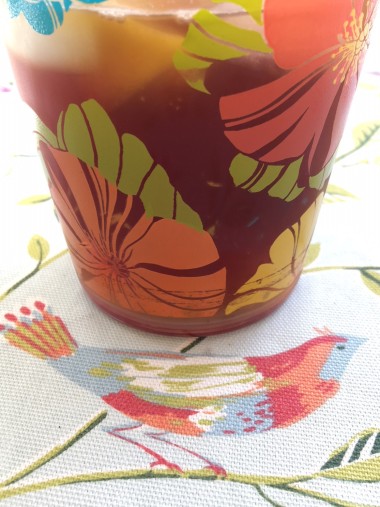
The colorful mix was gorgeously displayed in a mason jar, wrapped in a Christmas ribbon, and its crystals swirled like works of sand art. The color was a vibrant orange – almost matching a circus peanut in intensity and hue. Peppered throughout were darker layers of tea and spices, and the whole thing carried an exotic air of mysterious, far-away lands. Treasure like this was surely smuggled and secret, sold in questionable shadows for crazy sums of money. Somehow, every year around Christmas, we came into a jar of it, and we would sparingly measure out spoonfuls of it into hot water for cups of tea that would see us through the wicked winter.

As with so many “exotic” memories of childhood, the reality would prove much more humble (see also ‘Green Beans Exotic’ as made with Velveeta). This ‘Russian’ tea mix was made mostly from… wait for it… Tang.

Yup. Years later, I discovered its genesis when Suzie presented a collection of classic Ko holiday recipes. There was the Russian tea, and the first ingredient was Tang – a good 2 cups of it – followed by instant tea mix. The rare recipe to which I’d attributed such a storied tale found its origin in some astronaut juice that peaked in the 70’s and 80’s. Still, nostalgia is a powerful thing, so when I found the recipe again I decided to give it a modern-day whirl to see how it stood up to the memory and time.

It turns out they still make Tang – in the powdered drink section of the supermarket no less (though you may have to dust it off, as I did). When I was checking out the cashier commented that he hadn’t seen Tang in years. To combat such a relic, I switched in some Chai for the instant tea, added the requisite all-spice, ground cloves and cinnamon, then swirled it together as puffs of Tang dust filled the air. I funneled it all into a glass jar as a gift for Suzie, then stole a couple of spoonfuls just to try it.

It was just as I remembered it.

All that’s missing now is a jar of Turkey Joints.

Continue reading ...

A Fruitcake. Yes, A Fruitcake.

They were ubiquitous at Christmas and for many months thereafter in my childhood home, so perhaps that’s why I have such a nostalgic longing for a proper Collin Street Bakery fruitcake, Deluxe style. It took me a few years to get into them, and then I was obsessed for a while. I forgot about them until a co-worker from my John Hancock days in Boston said he LOVED fruitcake and if my parents had one he would love it. Their friends had moved on to better things by then, but it got me hankering for one. That craving is back in effect now. Let me know if you need my address.

Continue reading ...

Coaxing The Gold from the Carcass

The one thing I regret about not hosting a big holiday dinner is that we don’t get to make any soup from the turkey or ham bones. There is nothing better than a soup made from the real deal, instead of some sodium-soaked store-bought stock. Alas, desperate times and lack there-of require an instant fix now and again, so for this make-do chicken soup I combined chicken and beef stock after browning some skin-on and bone-in chicken thighs. The flavor is almost as good as if it had been boiling away all day. The addition of fennel salt was a boon, as was a dried and de-seeded guajillo pepper which quickly reconstituted itself in its hot bath. A trio of bay leaves (one of the most underestimated objects in the kitchen arsenal) rounds out the basic seasoning. Onion, garlic, celery, and carrots provided the rest. I boiled a pair of eggs for exactly seven minutes and thirteen seconds in a small pot of gently boiling water, then split them open to reveal their gold. A few sliced green onions and a generous pile of freshly-chopped cilantro rounded out the bowl. (If you’re groaning, I’m guessing I lost you at the eggs and the cilantro just threw you over the edge. That’s fine. Go.)

Continue reading ...

A Beautiful Boston Reunion Before the Cape – Part 2

Inside the condo, all was light and warmth and jazz. An almost-Christmas compilation played in the background, and as this was the last time I would be over before the holiday mayhem I decided to get the bulk of the decorating done. (This year’s Boston Children’s Holiday Hour has been planned and loosely scheduled, as has my Holiday Stroll with Kira.) And on such a frightful evening, bringing out the lights and the garland and the mantle pieces lent it a coziness that would have otherwise been missing. Grateful for the activity to pass the time until Kira arrived, I assembled the smattering of holiday decorations that I’ve amassed over the years. I lit a few candles that smelled of pinecones and tassels (at least according to the Yankee Candle company) and the decorating work was done.

As it was cocktail hour, I sliced off a peel of orange and conjured a Negroni for the fall evening. It was time to set about to making dinner, and I chopped some onion and fennel for the risotto, opened the white wine, and lit the fire beneath the chicken stock.

Risotto is all about the continuous stirring and ladling of the hot stock. It’s slightly monotonous, which gives it a soothing aspect, and a cold night when the wind and rain were whipping about just outside the window, there was no happier exercise in which to indulge. The steam rose around me as the rice slowly took in the stock and flavors of the onion and fennel. The hard white-gray pellets softened and gave up their chalkiness, melting into a creamy but firm consistency, and by the time Kira rang the buzzer, it was almost complete.

I’ve cooked for Kira a few times, and it’s one of my favorite things to do. She has taken up the knife and pot and tried some new things on her own, but for the most part she enjoys the clean-up, while I do the food-and-mess-making. She taught me a few things about how to make a wrinkle-free bed, so it all evens out in the end. On this evening, I made the risotto and we feasted on that and the wine, and all was well with the world.

Outside, the storm raged. A steady downpour ripped the leaves from the trees, while the wind moaned and did its best to infiltrate whatever cracks or crevices age and time had worked to widen. Inside, we basked in the glow and heat of a dinner just cooked, and a multitude of candles giving light and warmth to every corner. This, then was fall. This was coziness. This was comfort. This would be how we made it through another winter.

Continue reading ...

Not Too Many Cooks in the Kitchen

Andy went all out last weekend to close things down for the season, mowing our overgrown lawn three times (to mulch and manage the field-like grass) and then getting things together for a super supper of chicken curry. As he was out procuring the supplies, I started the rice and then began preparing the chicken. We usually don’t tag-team cook, as he does things his way and I do things mine, but on this day I knew his back was hurting and I wanted to help him get a head-start. 

I chopped up the carrots and onion, then seasoned and browned the meat – chicken thighs, skin-on and bone-in: the most moist and flavorful parts to use. (White meat and breasts are over-rated.) By the time the meat was done with its first round of cooking, Andy had returned with the rest of the groceries. I chopped up the garlic and ginger and started that, then let Andy take over to work his magic, with Thai chili paste, baby corn, tomatoes, pineapple and snow peas. He added a bit more fresh ginger too. To this, he poured in some coconut milk and let it simmer for an hour. 

It was our best batch of chicken curry in a long time. 

Continue reading ...

Tacos of the Sea

One of the best lunches I’ve ever had was a simple dish of fish tacos. We had just walked the Marginal Way in Ogunquit, Maine, and in Perkins Cove we stopped for a meal at MC Perkins. While they generally do things on a fancier plane there, I ordered the fish tacos, and what arrived was a quartet of the most delicious delights I’ve been lucky enough to eat. Maybe it was the walk along the Maine shore that made me so ravenous, or maybe it was the way we simply seem to enjoy food more when on vacation, but this

While they did theirs with a simple fried white fish and typical flour tortilla, it was the accents that made it shine: a glorious red cabbage slaw, some fresh jalapenos and cilantro, and a tasty remoulade that brought it all together. For years I’ve been trying to find a similar dish, but in upstate New York such magic is in short supply. With our fryer in full effect, this seemed as good a time as any to see if I couldn’t replicate it myself, and in case you don’t want to read any further I’ll break it down with a simple spoiler: it was fucking fantastic. 

First up, the fish. After looking online at various options, I decided on a bastardized beer batter using 1 cup of flour and 1 cup of a Corona. One recipe I read called for a dark Mexican beer – an Equis Amber maybe? – but I wasn’t going out in the rain so a Corona would have to do. It’s one of the few beers I drink anyway; sometimes laziness dictates recipe substitutions. You mix them together, add some salt and pepper and smoked paprika, and let stand for about fifteen minutes – perfect timing to assemble the slaw.

Here’s what I used for the recipe:

  • 1 pound thinly sliced or shredded cabbage (I found a bag of red and green cabbage with carrots at Trader Joe’s and all the slicing and chopping was done)
  • ½ teaspoon salt
  • ¼ cup thinly sliced & diced red onion
  • ½ cup chopped cilantro
  • ¼ of a jalapeno, finely chopped
  • ¼ cup fresh lime juice 
  • 2 Tablespoons olive oil

Mix it all together and you’re done. 

If you’re going for something healthier, you can probably omit the creamy sauce (though if you’re going for something healthy, a fried fish taco is rather pointless). I would advise indulging and adding this remoulade because it absolutely brings everything together. Again, I bastardized a mishmash of several online recipes, and the end result was, more or less, as follows:

  • ½ cup mayonnaise
  • ½ cup sour cream
  • Juice of half a lime
  • Tbsp of chipotle adobo sauce (or less if you’re shy in the company of some heat)
  • 1 teaspoon of fresh garlic, finely chopped
  • Salt and pepper to taste

This remoulade should really be made earlier in the day so the flavors can meld, but in a pinch it will do immediately. Obviously, I wasn’t waiting. We fried up the fish, assembled the tacos, and all was right again with the world. (Thanks to Pati Jinich for the inspiration!)

Continue reading ...

Fry Me a River

Andy and I get our deep fryer out two or three times a year, and then schedule a week of deep-fried everything. We are currently nearing the end of another banner frying stretch, and if I don’t die from a heart attack we may make our first go at fish this weekend.

It began with a batch of lumpia, followed by regular fries and then sweet potato fries. Andy made his excellent turkey parmesan and I’m planning some sort of fried/wrapped banana treat. We’ll finish off with the fish for some fish tacos (always save fish for the last run because no one wants a fried banana flavored with fishy oil).

It’s so bad for you, but it tastes so good. The season of comfort food is upon us at last.

Continue reading ...

Reconstituted Spirits

Fall is for soups. No other dish is so versatile and forgiving during times of cold weather. Simply making a pot of soup warms the soul – not only from the heat of the stove and ingredients, but from the methodical chopping and dicing and formulating that goes on when the soup is being made.

During a marathon of ‘Pati’s Mexican Table’ I caught a bit of her imploring us to not be afraid of the guajillo pepper – the dark red pack of dried vegetables that always looked so daunting to my lower-level cooking capability – and I decided to pick up a bunch and try it out.

There are several things I’ve picked up over years of watching the Food Network and CreateTV. One, the power of fresh herbs. This cannot be underestimated. For years I went without, or simply sprinkled some feeble decade-old bottle of desiccated blandness with little or no results. The simple addition of a few sprigs of flat-leaf parsley or some roughly-chopped cilantro or mint makes the final flourish to any dish a revelatory event. Two, the power of roasting things. Particularly nuts or seeds or spices. In this instance, the dried Guajillo pepper.

Pati throws a few on a heated skillet, lets them get a little darker in color, turns them, then adds them to some water. A pound of whole tomatoes and a single garlic clove on top of that and your soup base is pretty much done. Boil for ten to fifteen minutes, puree until smooth, then heat a little olive oil in a soup pot and pour in the puree. When it gets darker (about ten more minutes) add 6 cups of chicken stock. That’s it. The rest is all up to you. I added avocados, crème fraiche, queso fresco, cilantro and some tortilla chips. (I strongly advise that you fry your own tortillas – they’re so much better that way, and you can cut them into whatever size and shape you want.) She offers much better instructions and details on her enchanting website, along with additional options to stoke your hunger fire.

Continue reading ...

Try These Potatoes

If I were a straight guy, Nigella Lawson would be my dream date. The accent, the eyes, and the talent with making some scrumptious stuff in the kitchen. She’s always struck me as one of the pretty people who was graced with an extra bounty of gifts with her talent for cooking. She definitely knew how to make a name and a brand for herself, and the rest of us took our inspiration from that in whatever way we could. 

For me, it works best in something simple, like this dish of potatoes I recently saw her make. According to her, she had them in Australia, as one does, and brought her own twists to them. I did the same, as I made them mostly from memory, and mine is getting more faulty with each passing day. 

Heres what I did. 

Pre-heat oven to 425 degrees. Cut up six or seven yellow potatoes into uniform 1 inch pieces, leaving the skin on (that’s where all the nutrients are!) Douse in olive oil and cover with a few cloves of garlic, minced. Sprinkle some dried oregano over this, along with salt and pepper, toss together, and spread out on a baking tray. Bake for 25 to 35 minutes, turning once. 

Now for the good part. After pulling the potatoes from the oven, put them into a serving dish while hot and sprinkle with a healthy dose of crumbled feta cheese. Add some fresh oregano if you have it, and dig in. 

This shit is super easy, and super good. 

In the worlds of Nigella, ‘That’s me, done.’ 

Continue reading ...

Getting My Ghapama On

An Armenian specialty, Ghapama is a cozy fall rice dish baked and served in a pumpkin. Perfect for an October meal when pumpkins are in season, this incorporates dried fruit, cinnamon and honey into the rice, lending a sweet and tart tension to a hearty side dish. In all honesty, the flavors weren’t as tantalizing to me as the presentation, and there are a few things I’d do differently the next time I make this. First, the recipe:

Ingredients:

1 sweet (or cooking) pumpkin, hollowed out with the top saved (about 3 lbs)

1 cup rice

1 ½ to 2 cups water

4 Tbsp. butter (½ stick)

¼ cup each of dried apricots, plums, cherries – all chopped

¼ cup raisins

1 tsp. ground cinnamon

Dash of salt

2 Tbsp honey

½ cup chopped nuts (almonds, walnuts or pecans) – optional

¼ cup hot water

Method:

Bring the water to a boil, then add rice. Turn to low and cover for 8-10 minutes.

In a small pan, melt butter and cook fruits, raisins and nuts for 5-10 minutes. Add cinnamon and salt. When rice is half-way done and water is mostly absorbed, add the fruit mixture and mix. Line the interior of the pumpkin with honey then add rice mixture. Leave a little space at the top (it will expand) and replace the top of the pumpkin. Bake at 325 degrees for 1 ½ to 2 hours (until a toothpick slides easily into the side of the pumpkin indicating that it’s cooked).

How I would do it differently:

First, I’m not a fan of raisins and dried fruit, so perhaps this isn’t the best dish for me. Next time I try it I’ll decrease the amount of all of that and allow the rice to be the main element. Some recipes call for sugar in lieu of honey; I like the honey, but I may add some brown sugar to tip it just this side of sweet (and balance the tartness of the raisins and fruit). I’d also up the cinnamon a bit and maybe add some freshly ground nutmeg; this recipe is very forgiving, and the few I viewed online had several variations. Unhealthy as it may be, I’d also look into adding a little more butter to everything.

Those minor issues aside, this was a grand dish, especially in the presentation and serving. You cut out slices of pumpkin and allow the rice to spill over onto each, then serve the piece to your guest. If cut all at once, it fans out like some pungent fall flower. Even though I wasn’t an initial fan of the fruit, once I wrapped my head around what it should taste like, I began to enjoy it.

This is such a popular dish in Armenia that there’s a song written about it. For the benefit of all on hand, I did not try to sing it, but it certainly sounds fun.

Continue reading ...