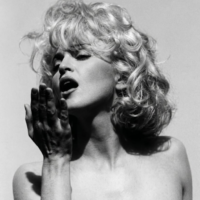
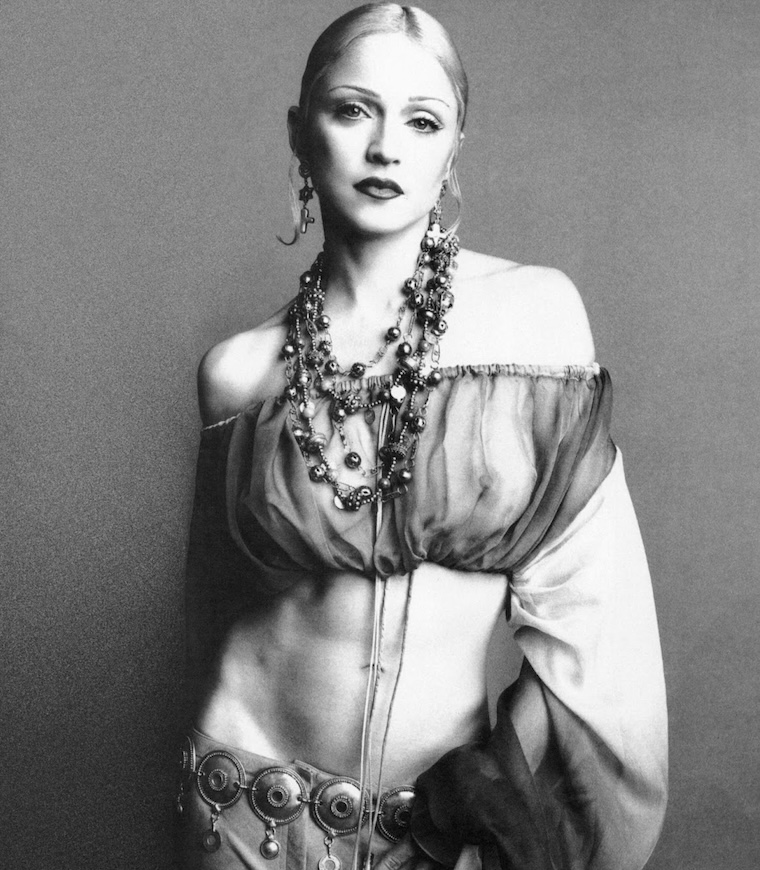
Way back in 1992, this week marked the release of Madonna’s ‘Erotica’ album and ‘Sex’ book – one of the most infamous career moments in what had at that point been nothing but one more outrageous act after another. This one-two cum-and-go assault from the pop stratosphere was an unprecedented and thus far unmatched height of controversy and capitalism. ‘Sex’ the book sold out, ‘Erotica’ sold less than the typical Madonna album, and Madonna was everywhere in the news (witness the covers of Newsweek, Vogue, Vanity Fair, New York Magazine, NME etc.) It was a highlight for any diehard Madonna fan, and my fandom was at its most powerful and potent, resulting in an absolute obsession with this particular period of Madonna history.
My personal and family life was a bit of hellish nightmare, finding me in a state of extreme depression and despondency, desperately and dangerously close to suicide – a continuation from the previous year – and the attempts became more concrete. Credit Madonna’s ‘Erotica’ album for keeping me alive one more day, just to hear how it all played out, and sometimes that one day is the difference between survival and something else.
With over three decades of time to digest and critically assess the work of this period, it seems to me that ‘Erotica’ actually fares slightly better than ‘Sex’, and both are neat little time capsules of early 1990’s sound and aesthetic. The ‘Erotica’ album brought such enduring classics as ‘Deeper and Deeper‘ and ‘Rain‘ – both sound as delicious as they did the first spin around, while lead single ‘Erotica‘ still slinks and struts with spiky heels in sinister fashion. ‘Bad Girl‘ is both more potent and more poignant all these years later, and final track ‘Secret Garden‘ remains an underrated masterpiece in sonic atmospheric moodiness. It’s telling that on her most recent Celebration Tour, Madonna included, by my count, four selections from ‘Erotica’ – clearly she has some love left for this cheeky section of a career that has since rebounded and rebuilt itself, while maintaining the defiance and ballsy brash ebullience from her earliest days.
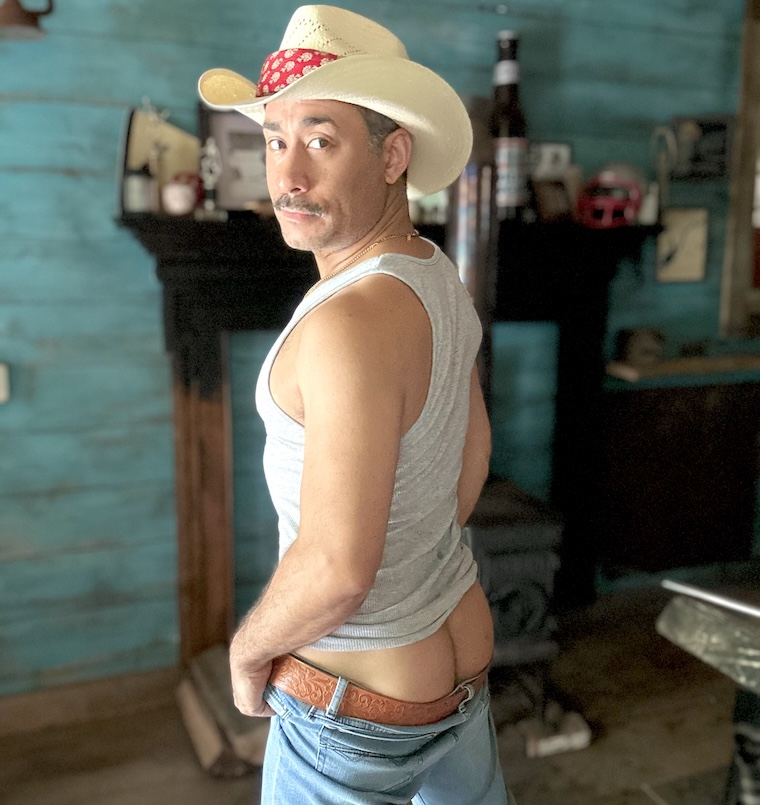
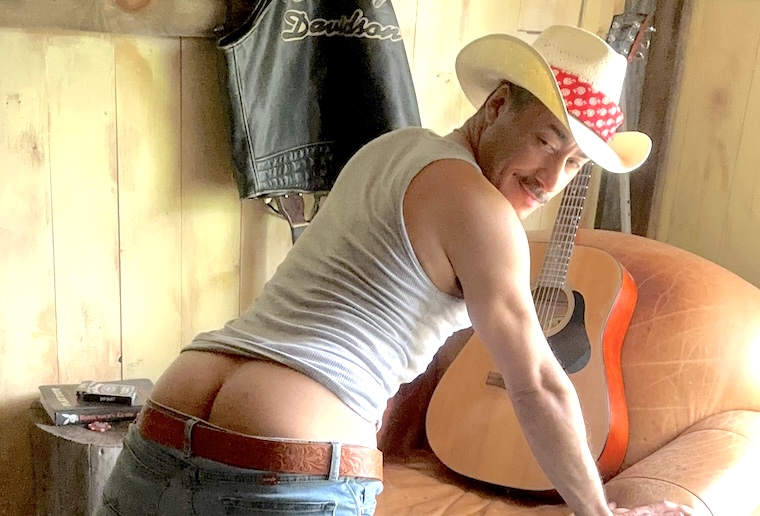
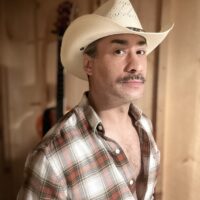
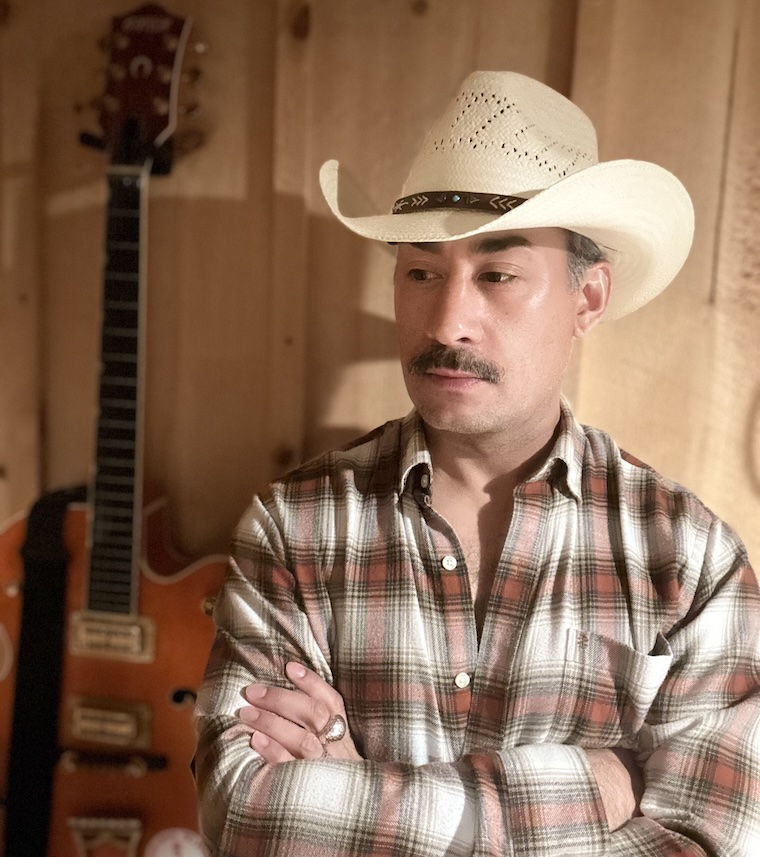
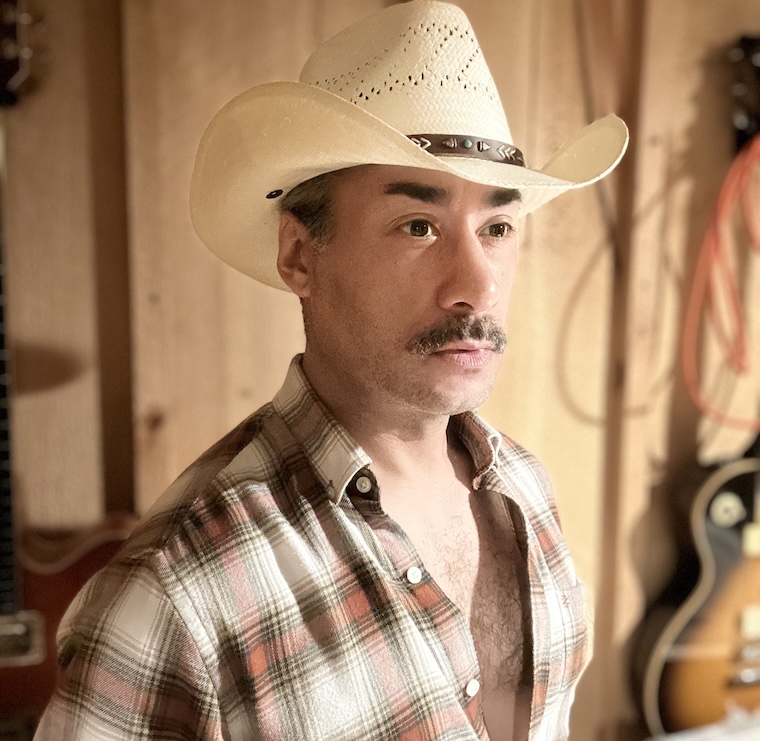
Lest anyone be too quick to think/hope we have already given up the cowboy ghost, we have only just begun this latest era (sorry Emi, who indicated she wanted to know when the cowboy guise would be done, as if this were mere passing fancy!) A little catch-up and check-in with our cowboy stories – at least all that have come after this link-filled collection. Tomorrow, we ride on, so get some shut-eye, and peruse the following if you’re having trouble:
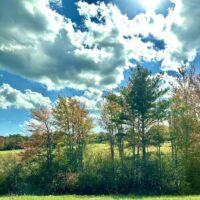
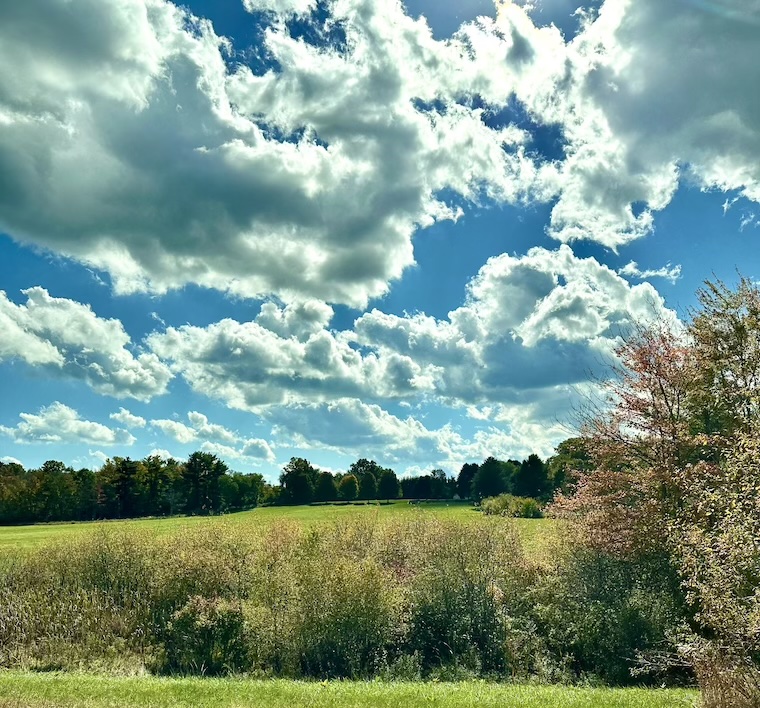
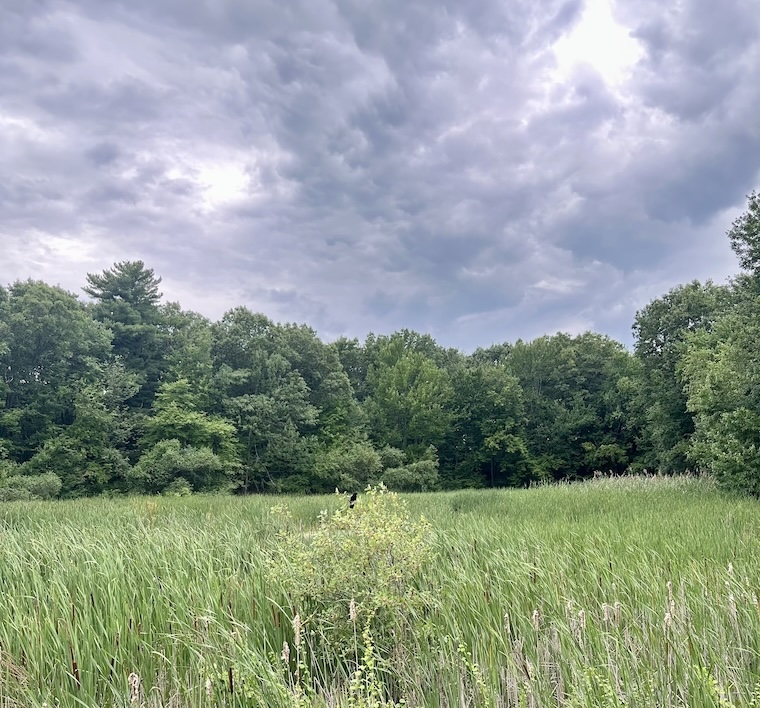
My grandmother introduced me to ‘Days of Our Lives‘ at a formative time of my childhood, and ever since getting hooked on the NBC soap operas of the 80’s, a penchant for drama has proved a mainstay of my adult life, much to the chagrin of my preferred internal baseline of calm and peace. I am my own worst enemy – I’m well aware. Whenever I see a sky like this, at the dangerous turn of fall – when weather threatens to overwhelm and fluctuate in roller-coaster form – I thrill a bit, glad for the sort of drama that doesn’t directly involve my own emotions and personal predicaments.
Drama tends to surround me even when I’m not part of it, and the universe has seen to it that not all of my demons have been entirely exorcised. Still much work to be done, probably until the day I die, and realizing that comes with its own sort of peace. The heart and mind work in mysterious tandem; everything unfolds as it’s meant to unfold. Be that stone at the bottom of the river, allowing the water to rush past, ebbing and flowing with time and season, while there is stillness and calm within.
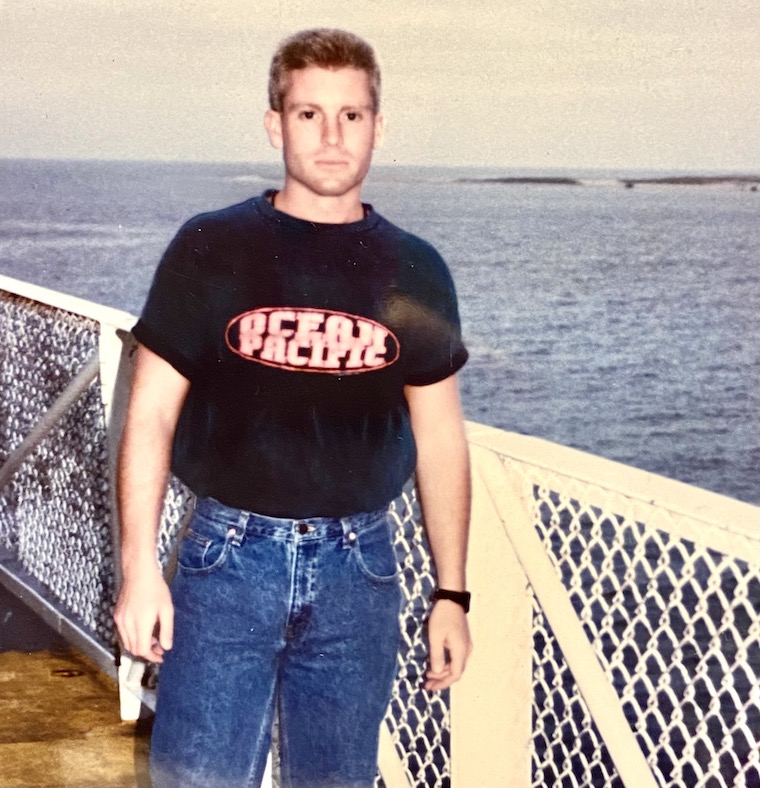
Today marks Andy’s birthday, and as a gentleman I will not be revealing which one this is (but it’s not small). He’s already been named Dazzler of the Day here, so there are no more public accolades I can bestow upon him, other than this post – the annual birthday post for a husband who keeps me in clean clothes and good food and still manages to make me laugh, even after twenty-six years of living together. I’ll be taking him out to dinner tonight in honor of his day, and his flowers and gifts are waiting for him to wake. Happy birthday Drew – I love you.
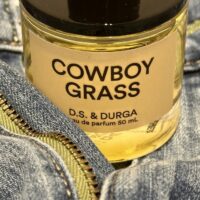
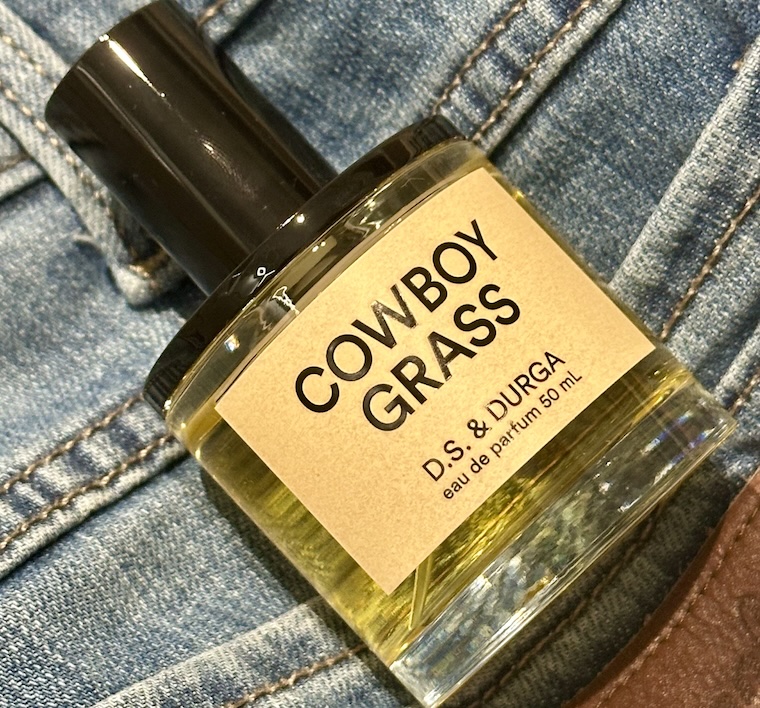
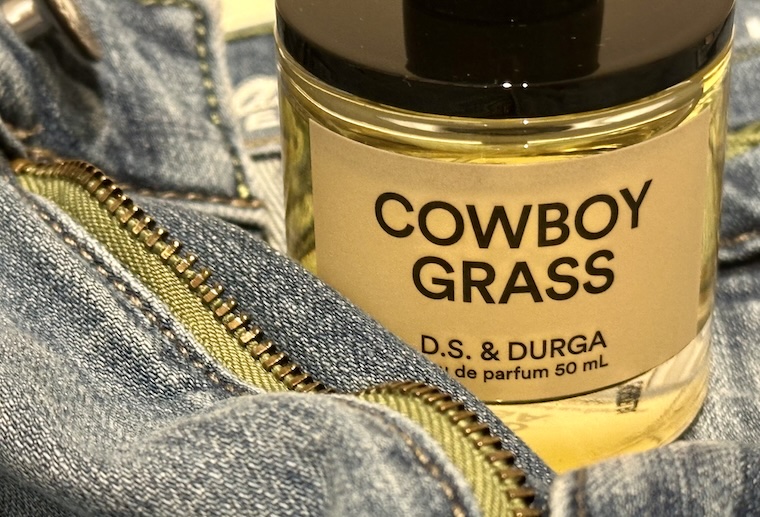
The universe nudges and cajoles until we end up going the way it wants us to go. Sometimes we take a wrong turn here or a stumble there, but the overall trajectory is the path we are destined to take. Shifting and twisting within those parameters is the way to have a happy, amusing life. When a fragrance called ‘Cowboy Grass’ came across my socials (because they’ve been hearing my cowboy obsession through the ether) I checked the notes and literature on it, and immediately knew it was a necessity:
“Cowboy Grass is a play of contrasts. The freshness of bergamot with the dustiness of thyme. The medicinal notes of clary sage and basil against the softness of rose otto. And ultimately the dry peanut wood crackle of vetiver against the warm amber of benzoin.
The landscape is filled with grasses, herbs, and shrubs that were used as medicine, food, and ritual for thousands of years. It is impossible to describe just how big the Wild West is.
Clary Sage is at the heart of Cowboy Grass. An herb once used for “fissures of the eye” or some ancient horrific malady, clary sage is pungent, whitish green, fresh and powerful. It can be pulled in many directions. In CBG the green grass notes are expanded upwards towards the top of the fragrance intersecting the rosewood-bergamot’s red woody freshness. The grass effect is modified at the bottom where a rich mapley accord of vetiver and amber reside. The expanse of grasslands almost sacred to an American.” – from D.S. & Durga
This fragrance arrived just in the nick of time – its fresh green herbal aspects tempered with a deviously slithering leathery underbelly perfectly matching the warmth of the sun as it draws forth the earthy scent of the fallen leaves. It also lovingly embodies the cowboy theme of this season, which is just about one month old, and the echoes of summer in its grassy elements are holding onto all last remnants of heat.
A risky blind-buy, I found a bottle on sale, so took the chance, and it turned out decently. It’s got a lighter touch than the other leather scents I’ve been using these days, so it’s not a week-long commitment – usually that’s a negative, but when the days still hold the glad possibility of sunny warmth, even for just a few short hours in the afternoon at best, a lighter touch is welcome. This one will also work well at the end of winter, when whispers of grass will be vital, when spring will be on the wind, and when love rears its wondrous head again.
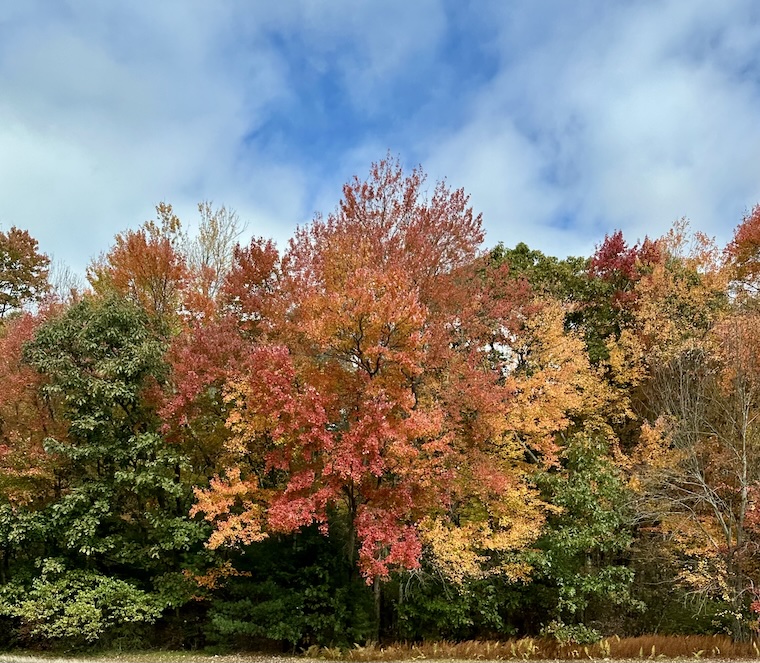
The forests were aflame this weekend, and I got to enjoy a number of different vantage points for leaf peeping. More on that later, for now, the weekly blog recap…
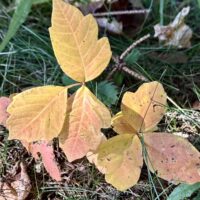
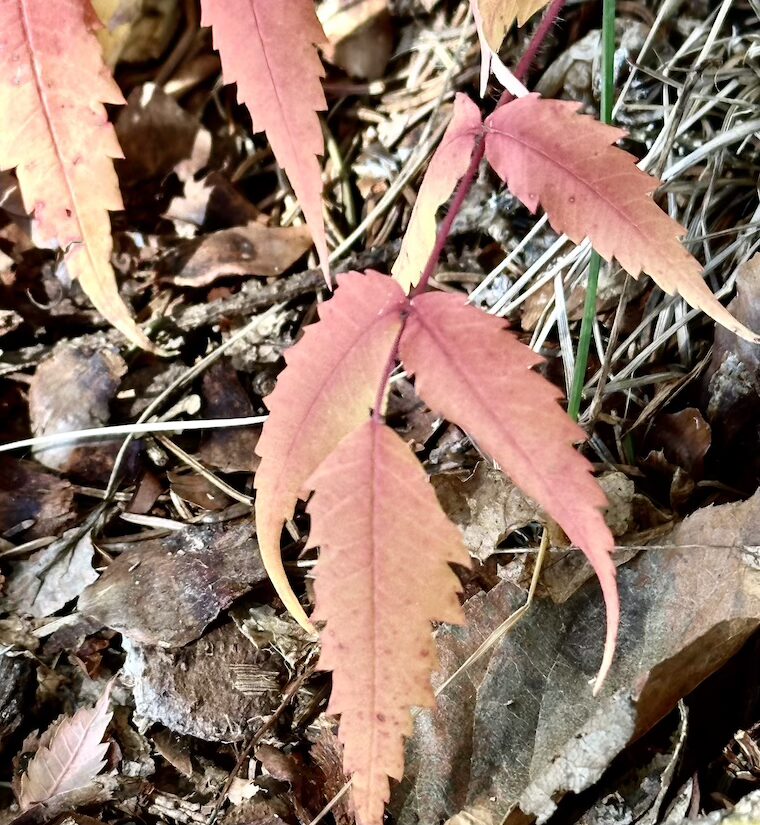
Even poisonous leaves can turn pretty in the fall, but who can say what’s deadly after the first hard frost hits? Fall carries its lurking dangers hidden in morning fog and early darkness. Scarlet leaves may not warn of blood – or they may. You take your chances in the woods, and thus far the beauty has always been worth it.
All right, all you buckaroos Time to rope ‘em up Ease on in to the ride…
Cowboys can be notoriously cocky because it takes a certain cockiness to become a cowboy. You have to believe that in some way you are different than most everybody else to take such a twisted and physically-tortured path. Not that you are necessarily better (though let’s be frank that that’s really what we’re saying, even if we never actually say it) – mostly that you are just built and made differently than most, because a cowboy’s life is not an easy one. They have to believe with all their heart that cowboying is the best choice for them – that it’s the only choice.
Sun’s a-goin’ down?on?this cattle town Leave?your boots under the chair And play?me a song on the steel guitar In nothing but your underwear We’ll have a couple of beers and look up at the stars While the old white porch swing sways Then come inside and I’ll give you a ride At the end of your honkytonk day
A cowboy has to be ready to die for their work, their way of life, and this is not a life for the hesitant or weak. There are far too many risks for this to be a passing pose. It requires commitment and dogged determination, and a desire for the freedom and way of life only a cowboy’s existence affords.
Ride me, cowboy Ride me good (Won’t you ride, won’t you ride me good?) Show me what you got goin’ on under that hood Ride me, cowboy ‘Til the cows a-come home (‘Til the cows, ’til the cows come home) Look deep in my eyes, put your hands on my thighs And ride, ride, ride
Nobody exemplifies the mantra of ‘work hard, play hard’ as well as the cowboy. Back-breaking days of cattle wrangling and bone-crunching dangers of steers and bulls and horns just waiting to impale make for nights of release that might astound the most practiced prostitute. Cowboys know how to use their bodies, skillfully throwing their heft and muscle around to successfully handle animals and beasts five times their weight. Couple that with the need for pleasure and release to offset the hard work, and you have the combustible legend of the cowboy as the ultimate love-maker. Bottom line: cowboys know how to have fun, and largely in a very physical sense.
Moon’s a-shinin’ bright on this desert night Back in town they’re all in bed But here in the country we’re wide awake The blood is rushing to our heads Your hands on my chest and our clothes in a pile As you press your lips to mine We can sweat it all out, holler and shout As the tumbleweeds roll by
They work hard, they play harder, and they fuck hardest. They take their examples from the very animals they are tasked with mounting and mastering – a bit of beast-like wildness lies barely latent until they find some sort of inspiration or willing outlet in a lass or lad who pricks up notice at the slightest inclination. Then the game is on.
Ride me, cowboy Ride me good (Won’t you ride, won’t you ride me good?) Show me what you got goin’ on under that hood Ride me, cowboy ‘Til the cows a-come home (‘Til the cows, ’til the cows come home) Look deep in my eyes, put your hands on my thighs And ride, ride, ride
Historically, not many cowboys identified as gay – though a number of them fucked and fooled around with other cowboys – they simply didn’t label it as gay. Perhaps they’re still way ahead of their time – existing and fornicating without label or designation – a hole being a hole being a hole. And love finding no word for love – not even love, because how could it ever be contained in a single word?
Ride me, cowboy ‘Til the cows a-come home (‘Til the cows, ’til the cows come home) Look deep in my eyes, put your hands on my thighs And ride, ride, ride Look deep in my eyes, put your hands on my thighs And ride, ride, ride
But this post isn’t about love – at least nothing so explicitly said or conveyed – it’s about a cheeky romp of fun and casual good sex – the kind extolled in this cheeky song about some pre-dinner romp and gleefully delivered by Paisley Fields. The kind a cowboy does best.
Hustle up now We’re almost there Don’t stop now Use both hands Not too fast, you don’t wanna make it home too soon Supper’s waitin’ Mmm, I can smell it right now, ah…
“Deliver him this note,” Ma instructed as she pressed the strap of rough parchment into my hand. “Leave it on his door.” They were doing a quick inventory that morning, and they didn’t want me there. They wanted me to learn all the secrets of running the store, but didn’t want me in the way. Another contradiction of growing up in my house. After Ma told us of the Cowboy’s first visit to the store, she decided to make the dinner invitation more formal than usual, but she didn’t want to make the long trek to the Beasleys’ ranch, where the Cowboy had set up residence in their bunkhouse.
“What if he’s there? I can’t just hand him a note and walk away,” I protested, realizing as soon as the words came out how childish they, and I, sounded.
“Then use your mouth and talk,” she said in pointed and arch tone, ending any possibility of further discussion. “Now move, store should already be opened and you know we have to do inventory.”
When she had brushed by and moved to the front of the store, I hastily opened the note to read in my mother’s neatest scrawl an open-ended invitation to dinner, addressed only to ‘The Cowboy’, leaving the option to drop in unannounced and on any day, the way they were always welcoming the cowboys. For some reason, probably at the Beasleys’ encouragement, the cowboys always joined us at least once a week. When I was old enough to argue against sharing meals with strangers, when the adolescent shyness overcame me in those early teenage years, Ma brought out the bible and read about feeding your neighbor or something – only once or twice more did I invite the lesson and bother with attempting to alleviate my social discomfort; at all the dinners I mostly remained silent.
It wasn’t that I didn’t want to bring the note to the Cowboy. On this April morning it would be a relief to walk all the way to the Beasleys, which was the furthest home out of town, closer to the rise of the mountains. Ground was more prone to hold water in that section, and being around any bit of green felt better to me than the dry beiges and browns that barely shifted gradation. I also had a feeling that this cowboy was about to teach me something, one of the very first moments of premonition that I’d experience in my life – but on that morning I attributed it to boredom, and the will to make something – anything – happen in that dusty town.
The road to the Beasleys followed the long straight street that ran through the only stretch of earth I’d ever known. It stayed more or less linear until it reached the start of the nearby mountain, at which point it gently curved around said mountain’s base, gradually gaining a little in altitude, when it rounded the northern side. On the hottest days, anyone who was foolish enough to make the trek in the sun was forced to stop at the Beasleys – the ranch was the only thing for miles, and everyone knew them well enough to knock on the door, usually just after they were letting themselves in. Mrs. Beasley always had a pot of coffee on (burned and dregged, as Pa would say) and a pitcher of water at the ready. It was the latter that forced everyone to stop, even if they didn’t care for the Beasleys (because some most decidedly didn’t care for them). In the heat of the desert sun, stopping for shade and water was a matter of survival and sustenance.
On this spring day, the sun was just starting to bother me, so I hurried my steps out of town and around the mountain. By nine o’clock I was sitting across from Mrs. Beasley and delivering the note Ma had sent, at which Mrs. Beasley smiled, folded it back up, then promised to deliver it.
“You came all this way just for that?” she asked. “Your mother should have given it to him when he was at the store – that was only a few days ago…” and she trailed off, waving away a fly that had entered with me.
“Guess she forgot,” I said, looking down into my glass, already emptied of its water. Mrs. Beasley jerked up and traipsed across the kitchen to refill it.
“Your mother’s good to always feed them,” she said. I knew she didn’t mean for it to sound condescending, but it did. I also knew, from what I’d heard between Ma and Pa, that this was why not everyone liked them. It didn’t explain why everyone tolerated them though, aside from the water, and the expansive ranch that kept cowboys in regular employ, as well as a few other hired hands throughout the year. This was where the town got most of its meat too, so even if someone didn’t take kindly to the Beasleys, especially Mrs. Beasley’s flighty airs (which always seemed to me rather benign, and more like an aloofness that was born of distraction than any intended class differentiation).
As I gulped down the second glass, Mr. Beasley stumbled through the screen door into the kitchen, quite loudly and literally, taking the rickety thing to the ground with him in a plume of dust.
“Will-eee-ummm!” Mrs. Beasley yelled after calming her startled self. “What the HELL are you doing?!”
Mr. Beasley looked up at me from the floor, smiling his round perennially-red-faced smile, the one that disarmed and made everyone wonder even more at the predicament that was Mrs. Beasley.
“Oh hey, Leeeeeve,” he drawled while rolling onto his stomach and pushing himself up with both arms. On all fours, his white hair wildly shooting out in every direction, Mr. Beasley looked like some silly, ghostly pony, the bottom of his pants frayed and fringed from years of wear and neglect, stained and dusty from weeks of not being washed. Looking at the couple, it was almost impossible to connect them with the two people who built this ranch from scratch decades before I was even born; more difficult to place them in any sort of command position of such an operation.
“Leve,” Mra. Beasley covered cooly, “You can bring your note to… the Cowboy. He’s the only one in the bunkhouse now. Might be out on the other side of the mountains though, if he’s doing what I asked.” She then took my glass before asking if I was done. I detected a sour side-eye directed toward her husband, now bent over the mess of screen and splintered frame in front of him.
Stepping out from the kitchen, one had a vista of land before them, and even then they were only viewing a fifth of the entire property. Behind the main house several large plots of land stretched out, extensively fenced with wooden and barbed wire that ran almost as far as the eye could see. Cattle grazed here and there, while in another fenced area a pair of horses stood lazily trying to keep their cool as the heat of the day brutally ensued, their tails swatting listlessly at flies, their heads hung down, muzzles almost touching, as if in intimate discussion.
Beyond this, the short row of bunkhouses stood, closer to the mountain’s first rise. This is where the cowboys stayed. Sounded like there was only one right now. For April that wasn’t good, but maybe it was a good sign for myself. I stepped off the porch and headed back along one of the fence lines. As I approached the bunkhouse the two horses bolted, spooked by something I couldn’t sense. The sky was cloudless, the air was still down here, but the animals always sensed things in advance, something higher in the sky. Some noise between a neigh and a moo issued from the way I’d come.
Fresh horse prints marked the dry ground as I neared the wooden structure. It was, for the town and time, a decent size for a bunkhouse, opening into one great room, where four pairs of bunk beds were spaced not too closely together – two on each end. In the center of the room a large wrought iron stove took pride of place, beside which a dirty pile of logs stood, probably from several season ago, the Beasleys not bothering to keep a cowboy through the winter for as long as I could remember; I was too young to have witnessed when this room was constantly active, when ten to twelve cowboys squeezed into the sleeping quarters on any given spring or summer night. Those stories were kept from me, before I learned not to show interest in whatever I really wanted to hear.
As I neared the front door, which was the only door, I passed a grimy window framed by spider webs and spackled with a sea of dust, thick on the glass, carved by the wind and gentle pull of time. Scant windows and lack of any cleaning always gave the bunkhouse a dim and dark appearance, especially during the day. When I was a kid, I was a little scared of this place – the darkness and the loud cantankerous rustle of the cowboys were such foreign things to me, who was accustomed to the quiet existence of my parents and their whitewashed, stark home. At night, the bunkhouse glowed almost red from the fire, its lone window winking menace and tease, the warmth being necessary on nights that far into the desert, right where the mountain began.
It had been years since I’d seen a fire lit here. Mostly now the cowboys complained of the heat, the way it crept in during the day and made the place stifling until the sun dropped behind the mountain – then it was almost terrifyingly fast in how soon it cooled off. No one complained of the cold during the spring and summer, but I knew there could be frigid nights well into April, and so did the Beasleys, who insisted on the pile of dry logs and the box of long matches by the stove.
Knocking on the door, I leaned in to listen for the tap of boots along wooden boards, or some creaking of a bunk bed to indicate life, but there was only the hum of wind coming off the mountain. I knocked again, then gently opened the door. A shaft of sunlight struck the sooty stove, and already the heat was building. Unfinished wood swirled in knots along the walls and ceiling, the raw exposed beams giving order to the space. The nearest lower bunk was neatly made – it was the only bed that was made; the rest were bare, stained mattresses embarrassingly naked, and rolled up to the headboards. A large leather satchel, scuffed and worn, slouched beside the bottom of the bed. Seeing such things did instill a sliver of doubt in my mind: could I live like this? Could I live as a cowboy? And as soon as the question surfaced, I answered with my full heart: yes.
I backed away from the bed and looked for somewhere to leave Ma’s note. The bed seemed too personal. The leather satchel too presumptuous. Near the door some rusty thumbtacks held up old lists and schedules. I took one and pressed the note into the front door after I shut it behind me. Somewhere around the mountain, or deeper into the desert maybe, the Cowboy prowled. I listened for him, but only the sun made a sound, and it was the sound of the wind.
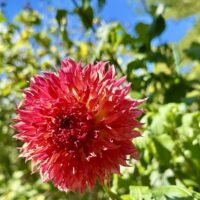
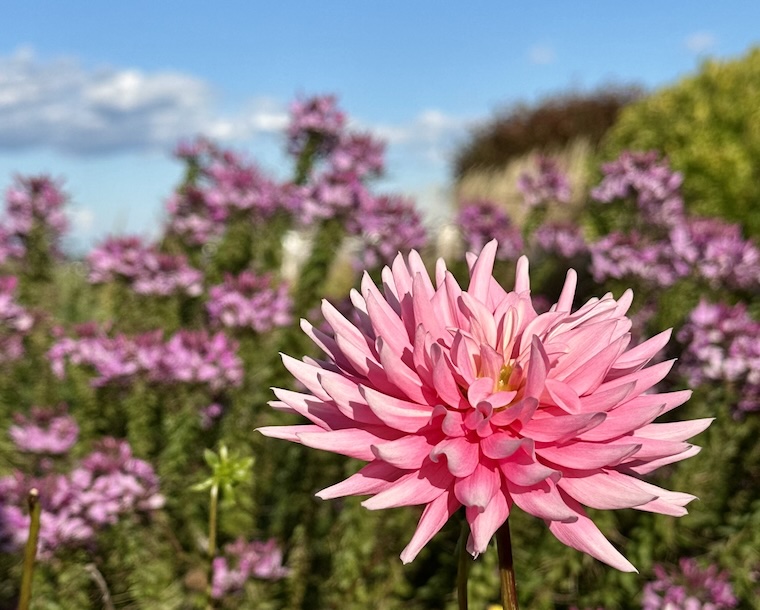
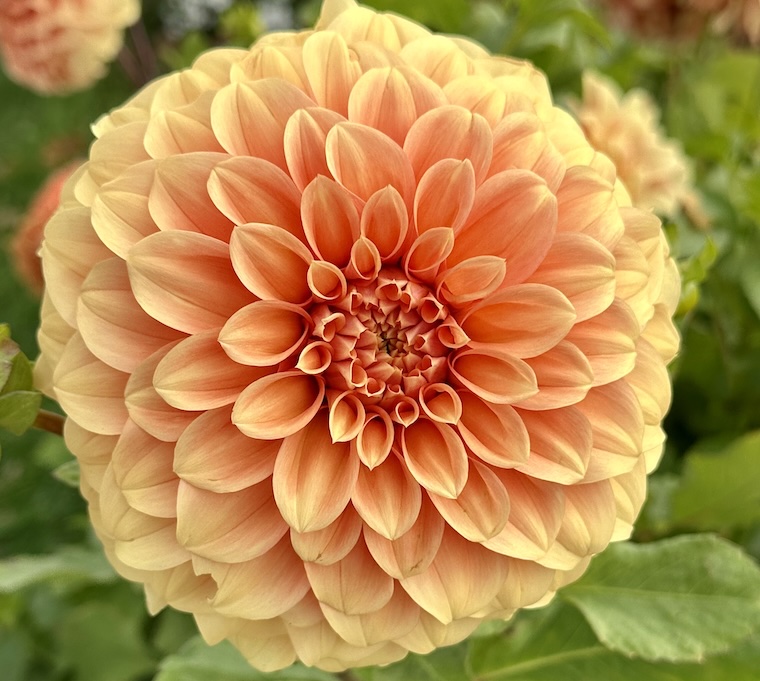
While the trillium had already gone to seasonal slumber, not to be waked until next spring, all the dahlias of the town were still in full bloom and taking full advantage of the sunny, balmy days. The entrance to the Marginal Way is bordered by a long garden maintained by one of the main hotels – they always do an amazing job of planting interesting items (Dad once procured a stash of love-lies-bleeding seeds from a stand of Amaranthus). Within this border was a grand selection of dinner plate dahlias exploding in form and color. It was a beautiful invitation to one of our favorite walks to take.
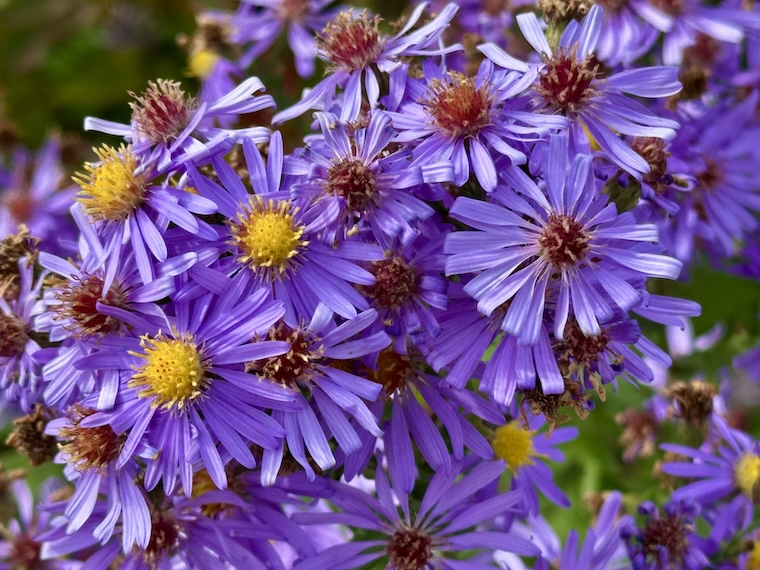
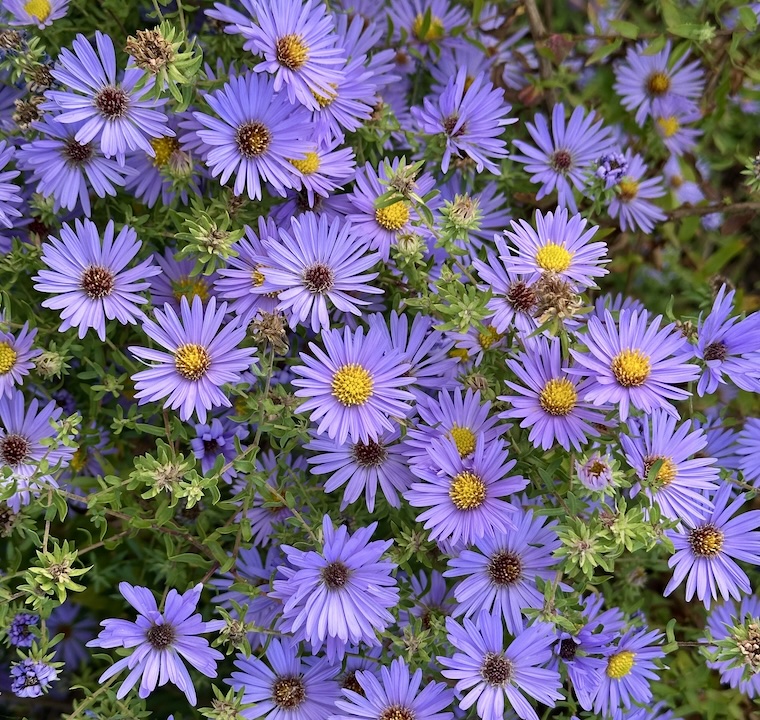
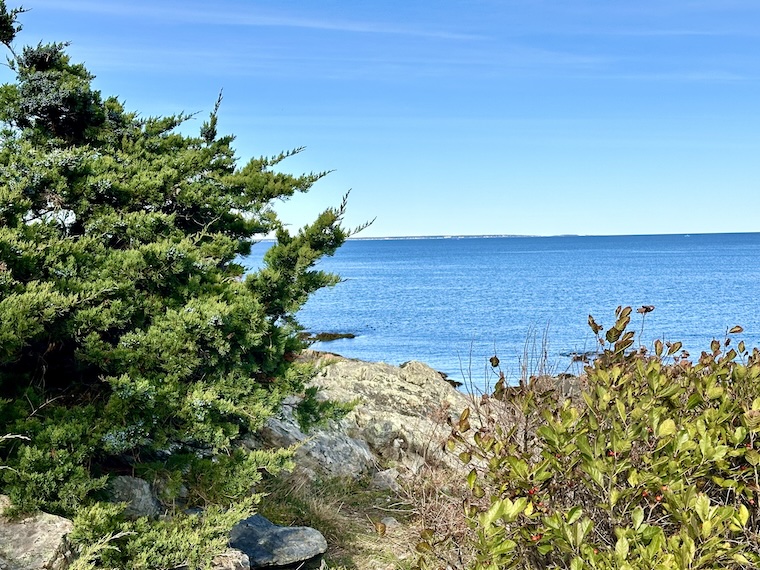
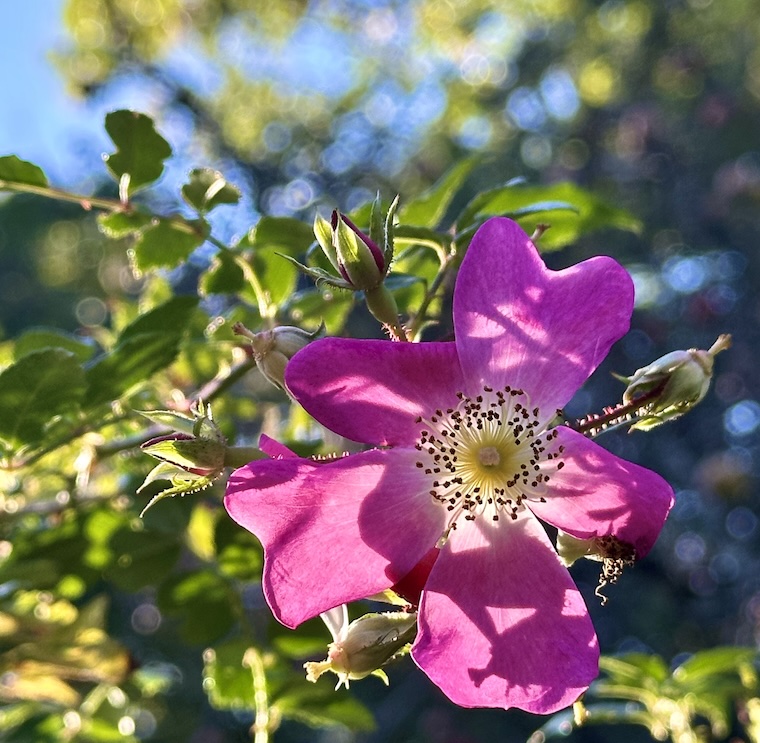
The Marginal Way meandered along the coast of Maine, still scented by a few remaining sea roses and accented by asters and the seed pods of milkweed. This magical stretch is actually more colorful in the fall than in the spring – one of the recompenses of the season before the winter.
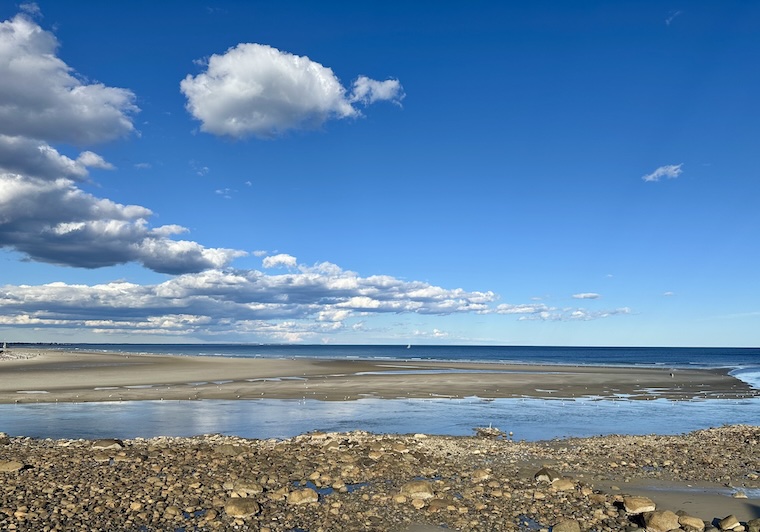
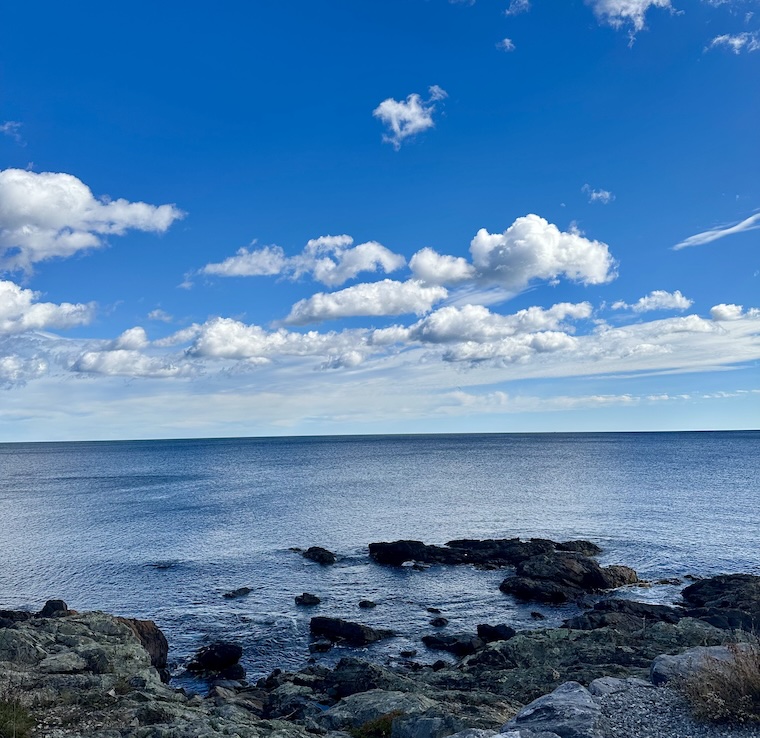
Sky and clouds conspired to paint a spectacular backdrop to the scene; often the sky is a muted gray, overcast with a dull monotonous barely-ombre gradation in October. This weekend we lucked out with a vividly blue firmament, accented by a few puffy white clouds.
We made our way all the way to Perkins Cove, where we stopped in a few of the shops before heading back along the way we had come. It always seems a shorter walk on the way back, which used to strike me as odd given that we were already tired out – now it seems to be over just a little too soon. Walks in beauty never last long enough.
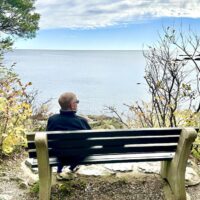
Later on in the weekend, I’d return to the Marginal Way on my own, nearer to our last day there. I recall to mind our first trip there, when Andy and I were barely a couple, having known each other just over a month, and somehow already happily intertwined and sharing adventures together. Being in Ogunquit already brings me back to that moment, grounding me in exactly where I should be, where I am happiest and at my most calm and content.
Summer, gone for only a few short weeks and bracketed by our semi-annual trips to Ogunquit for Memorial Day in May and Indigenous People’s Day in October, held on for most of our recent weekend in Maine – some years being kinder when it comes to fall weather, and not rushing summer sun out the door. I write this during our first day back in Ogunquit since May, while the sun is out and the breeze is warm – by night there is a good chance fall will assert her dominance, casting summer aside once and for all. Seasons don’t much care about each other in that way. But right now, seated outside a little café and soaking in the glorious day, I am making the most of the moment by making a memory and immortalizing it in these words.
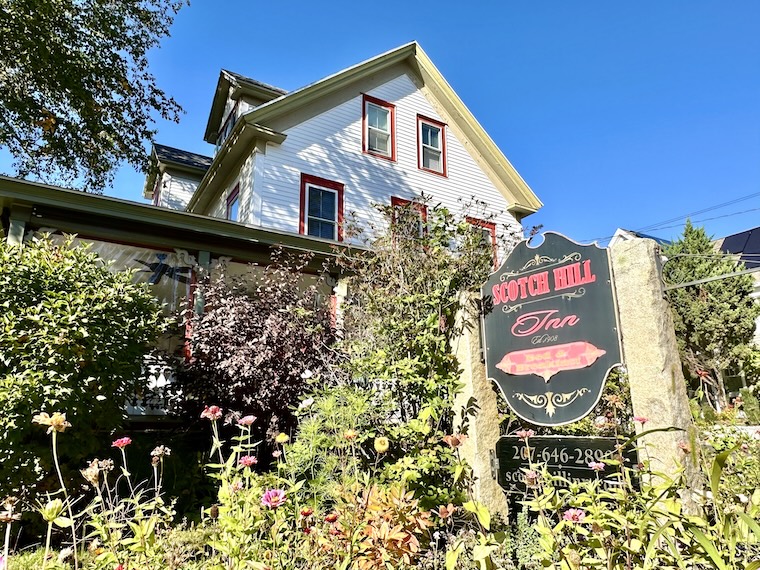
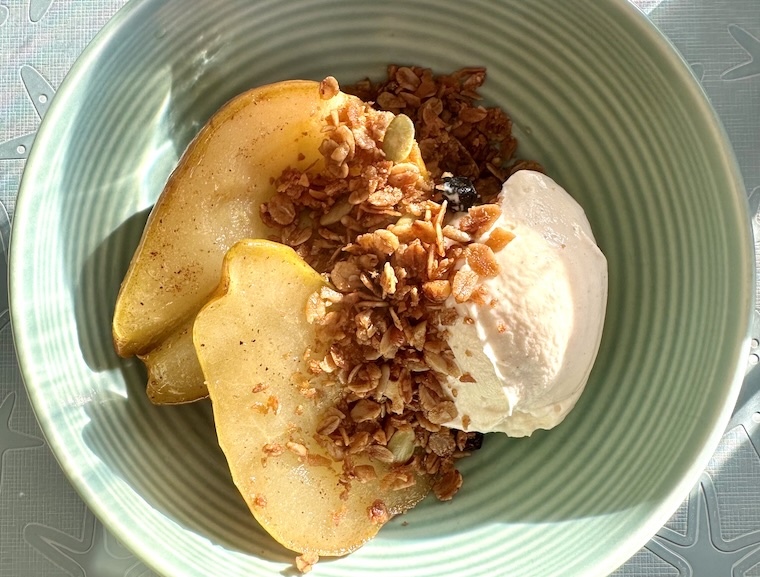
As is tradition Mom is joining us for this fall weekend in Maine, where we’ll be enjoying the warmth, hospitality, and delicious food of the Scotch Hill Inn – Anthony greeted us earlier and tomorrow will begin a stretch of breakfast days that will be filled with everything from Eggs Florentine to Pecan Waffles, each starting with a baked fruit, granola and yogurt dish. It has become a favorite part of our visits, and if you’re looking for an amazing place to stay check out the Scotch Hill Inn.
The weekend would prove beautiful in every way – from the weather to the food to the down-time of just relaxing in bed and watching ‘The Great British Bake Off’ and re-runs of Martha Stewart. Vacations have changed a bit in the twenty-six years we’ve been visiting this wonderful town.
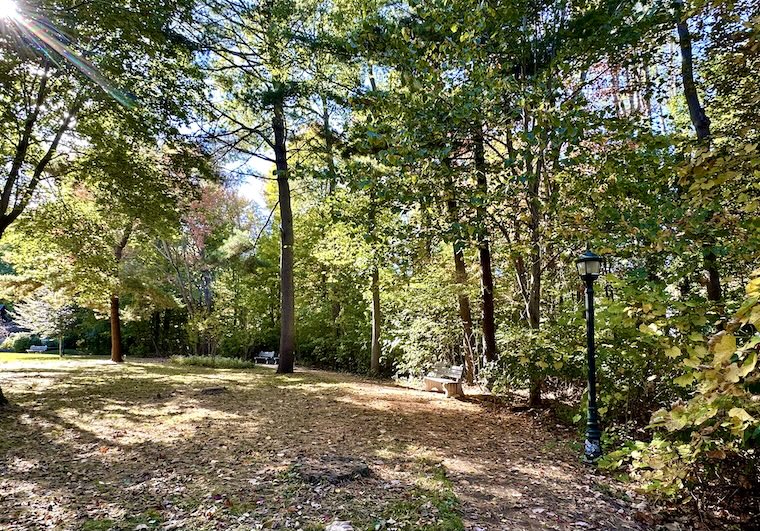
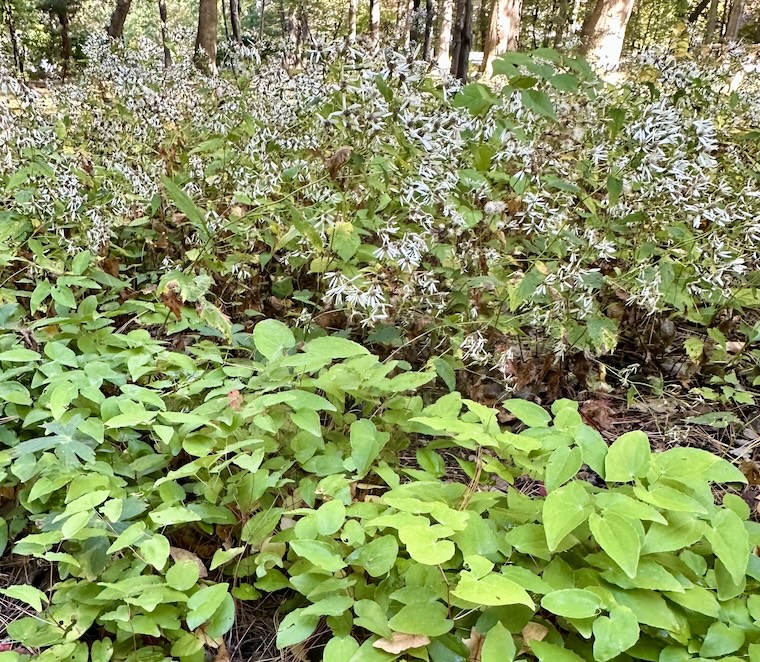
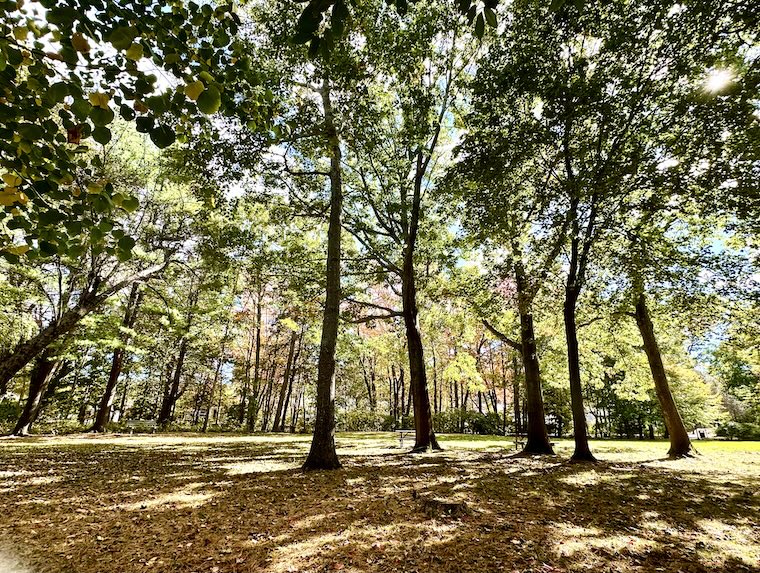
One thing that hasn’t changed is my favored haunt of a secluded little park slightly off the beaten path, which most people just bypass, allowing me privacy and solitude for contemplation (or in this year’s case, a daily run-through of a work presentation I had to give in the week following this vacation). This was the site of this spring’s trio of trillium posts – a magical space where I made regular visits to see the ephemerals in wondrous bloom and contemplate the beauty and fleeting nature of life.
In fall, fiery leaves took the place of blooms, even if a blanket of asters floated small white stars in the place where the trillium once bloomed. The world had changed in just a few short months.
Our day of ‘Rodeo’ inspired music comes to a gentle close with this rendition of the old cowboy tune ‘Goodbye Old Paint’, which Copland reportedly used as part of his ‘Rodeo’ ballet cycle. On a Friday night in this Fall of the Cowboy, after a day of rain and rumination, I’m feeling a touch more contemplative than I typically do at the start of a weekend. Time for a story song to take us out of our own heads and worries…
When I take my saddle Down from the wall Put it on my pony Lead him from the stall Tie my bones to his back Turn our faces to the West We’ll ride the prairies we love the best
A cowboy carries a certain sadness in their countenance. Whether it’s been beaten into them after one too many falls from the saddle, or whether they’ve beaten it into themselves – cowboys being their own harshest abusers – the tears of a cowboy run like little rivers through the dirty canyons of their hollow cheeks. True cowboys don’t get to indulge in the weekend either – animals requiring constant and daily care outside the societal limitations of human time. Friday night is as Sunday morning is as Wednesday afternoon and so on and so forth. A cowboy’s days are not often his own, and we haven’t gotten into a cowboy’s nights just yet… but we will.
The third movement of Copland’s ‘Rodeo’ ballet, this is the ‘Saturday Night Waltz‘, one day early. It’s a buffer between the word-heavy entries today, which felt like a bit much for a Friday. I’ll let Copland do the rest.
“You compose because you want to somehow summarize in some permanent form your most basic feelings about being alive, to set down some sort of permanent statement about the way it feels to live now, today.” – Aaron Copland
It was my first time playing with an orchestra, and even though it was the Empire State Repertory Orchestra, I was still way out of my league. Not helping matters in the least was the fact that somehow we were late for this first rehearsal, throwing someone with severe social anxiety way off his game. As I sheepishly stepped through the orchestra already making its wild way through Copland’s ‘Hoe-Down’ movement of his ‘Rodeo’ ballet, I dodged the string-player’s elbows and squeezed into the second oboe’s spot near the front and center of the whole group. From that day forward, the conductor did not like me very much.
Looking back, I cannot blame him – and even at that time, I knew most of the blame fell on me – for not being good enough, not having the first clue about orchestra etiquette or decorum, and definitely not being prepared enough for the sort of talent that the ESYO family sought and sustained. My chosen instrument – the impossibly difficult oboe – was the only thing that got me into such a vaunted space; no one wanted to attempt a tackle and taming of that dreaded double-reeded monstrosity. I had only picked it because a girl I liked in grade school had selected that as her chosen instrument. Somehow, I’d made it into mine in the ensuing years of blood, sweat and tears – and all of them would be elicited from those rehearsals and practice sessions and weekly private lessons.
Aaron Copland – the brilliant, and gay, composer with ties to Brandeis University, where I eventually ended up matriculating – would bracket my years in the Repertory Orchestra and the Empire State Youth Orchestra. On this first night, his sixteenth notes gave my tongue a run for its barely-teenaged money, and my mind reeled at the speed and power with which the orchestra charged through the sheet music; like some wildly uncontrollable bucking bronc, it grabbed me by the jodhpurs and did its best to throw me off.
It succeeded a number of times that first rehearsal. I lost my place, couldn’t catch up with the rest of the players, and felt terribly like I did not in any way belong there. Like any good cowboy, however, some bit of fire inside of me refused to let me give up. Well, a bit of fire coupled with my parents’ insistence on not dropping out – not that I even proposed such a thing, even though I was in over my head. Over the next two years, I would focus on my practice, work with my teacher, and more or less master the oboe well enough to get me into the actual Youth Orchestra. It still wasn’t where I belonged, but my innate tenacity insisted on asserting itself despite grave social anxiety, crippling self-doubt, and all sorts of imposter syndrome set-backs.
On that first evening trying to capture Copland’s mad genius, I couldn’t hear the message he was trying to get across from all the stress I felt – and I wouldn’t hear his real music until my very last concert with the orchestra the following year. That much I regret about the experience – the competition, the five-hour double rehearsals, and the rustic weekend at Frost Valley stressed me out so much that any appreciation in music that I should have been developing was made impossible until I was at the end of my time there.