Category Archives: Flowers

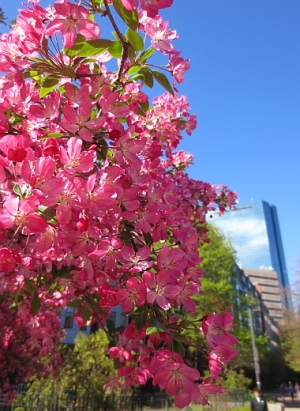
Boston Florals

This weekend I’m headed back to Boston, partly for Pride (though I’m not sure I’ll do the parade this year) and partly just to get away. I have some plans with a long-time friend and her daughter (my how times have changed) and need to scope out some new summer spots. The last time I was in town the spring floral display was at its height. Hopefully there are some pre-summer delights in bloom now.


Continue reading ...

A Bouquet For the Dog(wood)

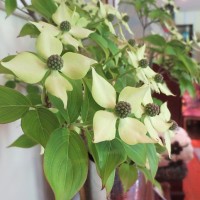
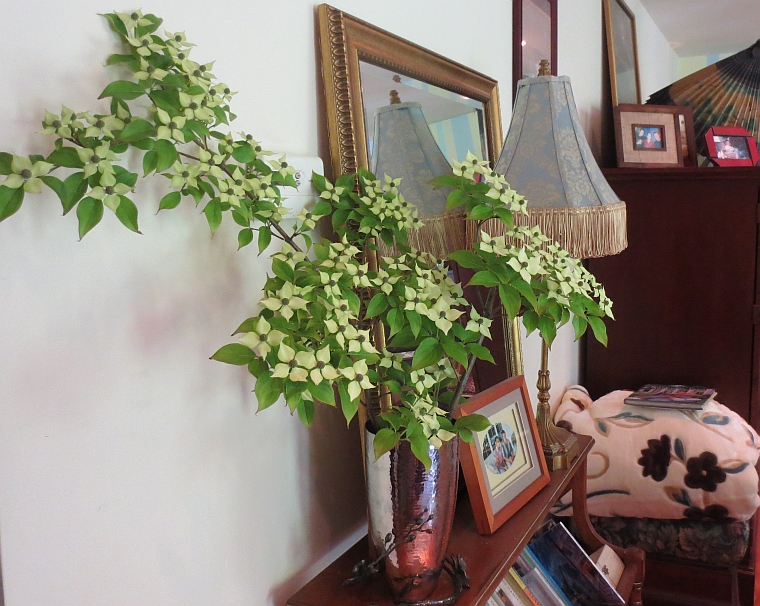
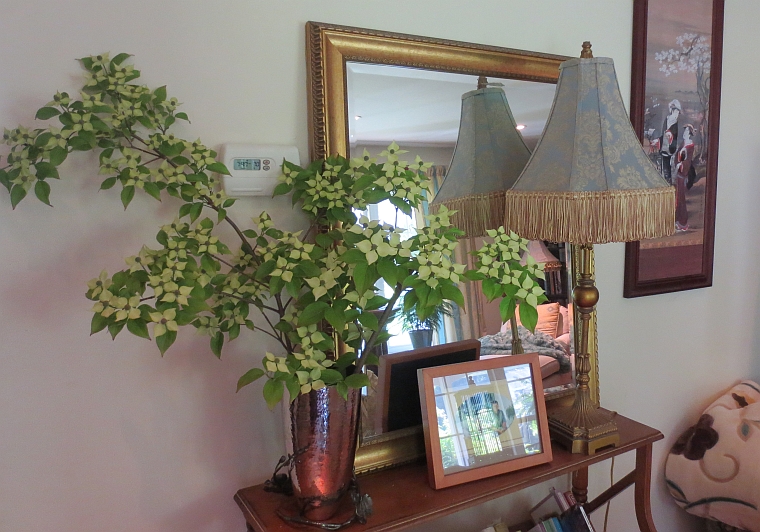
This gorgeously hammered vase was a gift from my friend Alissa. It is one of my favorite vases, and it stands in a place of prominence right at the main intersection of the house, where bedroom hallway meets living room meets dining room. This is the vase that gets filled with flowers whenever we have company over (and often when we don’t). It’s deep, and holds a lot, both flowers and water, so you need something substantial to fill it properly. In this instance, a few branches of Chinese dogwood, cut off as much for reasons of judicial pruning as for this bouquet, was a last-minute whim. We needed something to welcome JoAnn, and the peony and weigela bouquet was not quite filling out the space, so I went into the front yard, noticed the wayward branch, clipped it off and cut it down to size.

I’ve seen the American dogwood used in big hotel bouquets, the “blooms” (actually sepals) floating like butterflies on bare branches, but I wasn’t sure how well the Chinese version would take to being cut. Luckily, it took quite well to it – much better than I could have hoped, as it remains looking much like it does in these photos as of this writing (almost a week later). The best bouquets are the simplest, and it doesn’t get much simpler than two branches of dogwood. Too often people overdo it with flowers, crowding or combining when something more basic would be more beautiful. Like so much of life the adage is once again, ‘When in doubt, leave it out.’

Continue reading ...

Tea-Scented Tree Peony

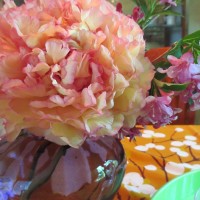
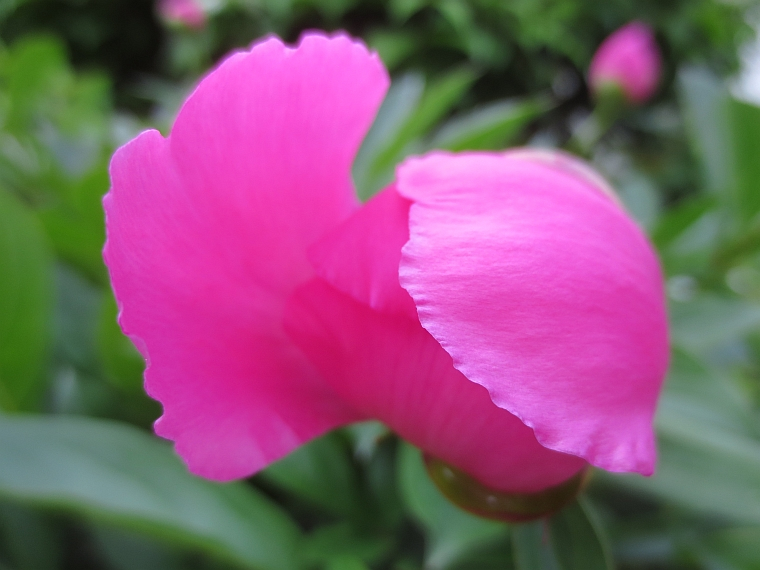
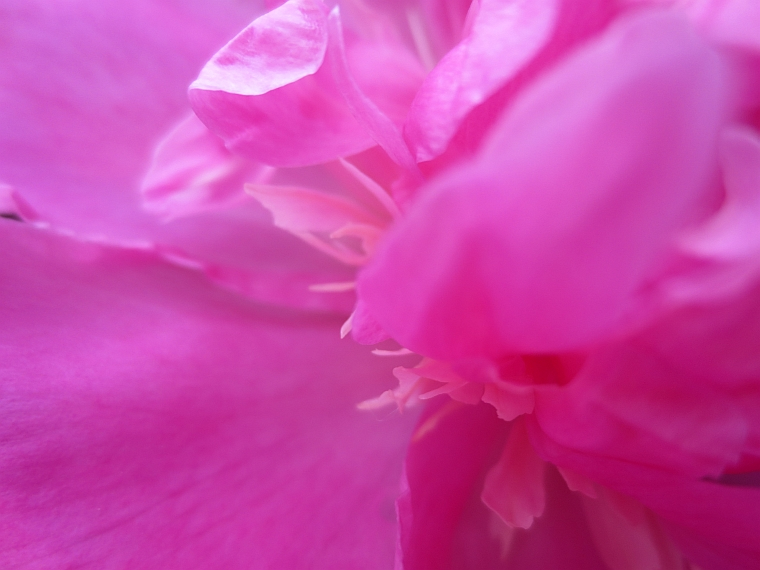
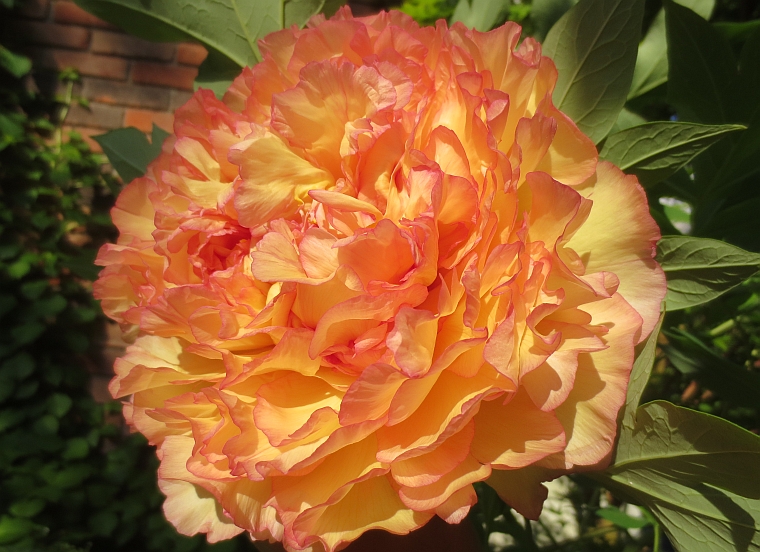
One of the more graceful plants in the garden right now is this peach-tinted tree peony. Its blooms are huge – dinner-plate-dahlia-sized when they reach their full potential – and their journey is remarkable. It begins in the tight swelling of its almost silvery bud. The bud gets larger and larger, eventually (and this is the plant’s one major drawback) getting too top-heavy to stand up straight, drooping and nodding and dangling its heavy load at the end of the branch. By the time it starts to open, it is usually facing the ground, and hanging well below the finely-cut foliage. For this reason, I often end up cutting the stems and bringing them inside. This is when the magic begins, and it’s fascinating to watch up close.
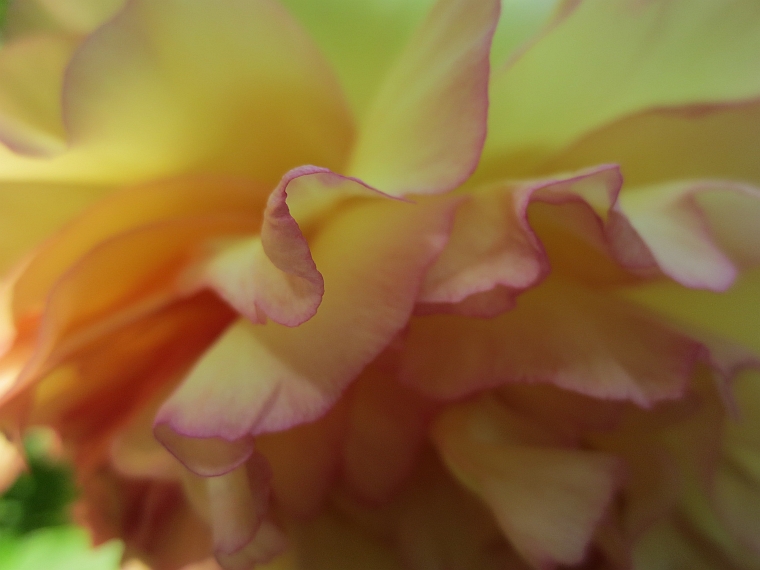
It opens the size of an average peony, staking its salient claim by way of its unique fragrance. This isn’t the sweet scent of the old-fashioned peony – this is one spicy electric jolt, with a heady zing and a zesty tang. It’s heavily weighted with a strong tea base, but interspersed with lighter citrus notes, themselves dappled with pepper, that lift it into another realm. While the distinctive cologne is enough to set it apart from the pack, the show has only just begun. The next part is simply miraculous.

As mentioned, upon first opening, the bud and bloom are the size of a regular peony. Yet were you to lift it, you would feel the weight and density of a tightly coiled compression of flower power, that, once the sun comes out, and the cycles of a couple of days pass, grows and grows and grows. It doesn’t just open, it actually increases in volume, spilling out of whatever vase you may have inadequately supplied (one per vase is more than enough) and bursting up and out like a super slow-motion explosion. These are monster blossoms, becoming a bouquet unto themselves.
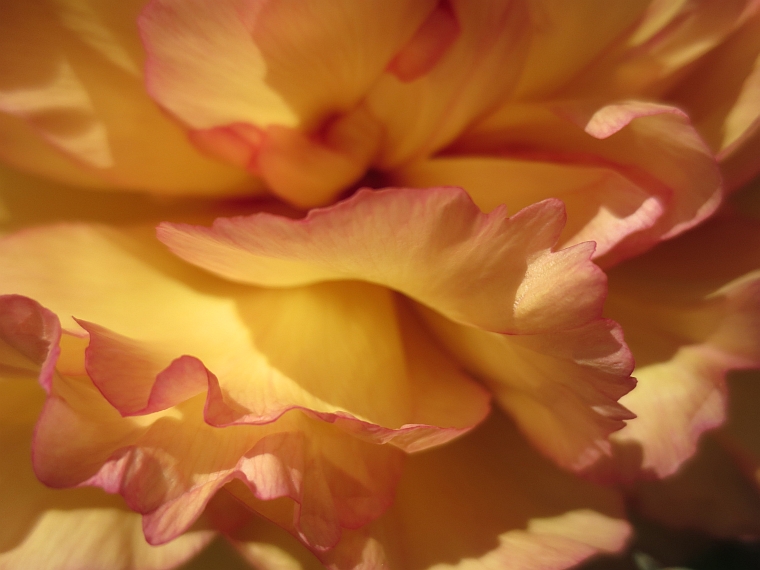
To highlight the show, the colors and shading get in on the action, the petals starting off a soft peach subdued by buttery yellow before gradually deepening into a salmon. The throats of the petal then begin to burn from the base, with hearts of ruby red tinged with fuchsia, like a more delicate version of a peach without the pit. As the bloom ages, the edges of each petal become just barely bordered by the thinnest line of blood red. It is a mesmerizing effect that reveals continually escalating layers of beauty, giddily assaulting all the senses in a display that both burns brightly and glows quietly.
Most tree peonies are grafted onto the more rigorous roots of their herbaceous cousins. While the herbaceous form should only be planted one or two inches beneath the soil line, tree peonies should go much deeper, as the hope is for the tree portion to develop its own roots along the way. Also, they should be allowed to grow into shrub form, so no heavy pruning back until you see what survived the winter. (For that reason those in the upper zones of their hardiness may wish to consider a bit of burlap protection where the winters get harsh.)

Continue reading ...

The Peony Parade Begins

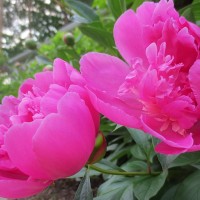
Peonies are one of my top three flowers (poppies and iris rounding out the rest) and this past week they have been in their prime. A spell of 90 degree days took the wind out of the early bloomers, which lasted far less than usual in the excessive heat (I saved a few by bringing them into the shaded coolness of our living room) but the cooler days of late seem to be keeping the mid-to-late bloomers intact for their traditional duration.

The fragrance reminds me of childhood, when the neighbors would grant us the luxury of a big bouquet of the peonies, which they grew in a long border along their fence. The perfume filled the first floor of our house – I smelled them before I saw them, having bounded downstairs before being instantly stopped by the brilliance of their perfume. It was the first time the scent of anything stopped me in my tracks. Such is the power of the peony.

Continue reading ...

Lilac Come Lately

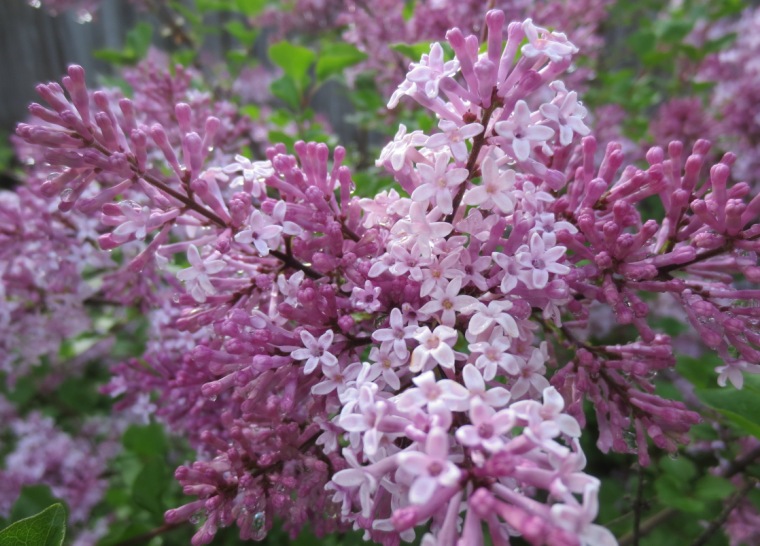
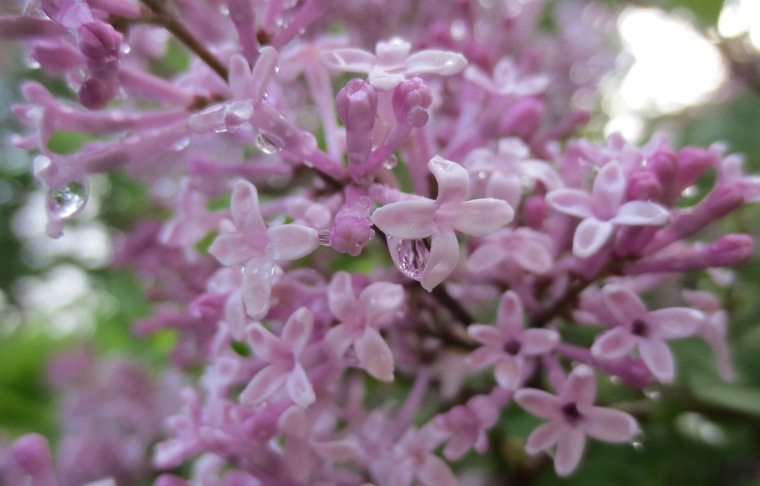
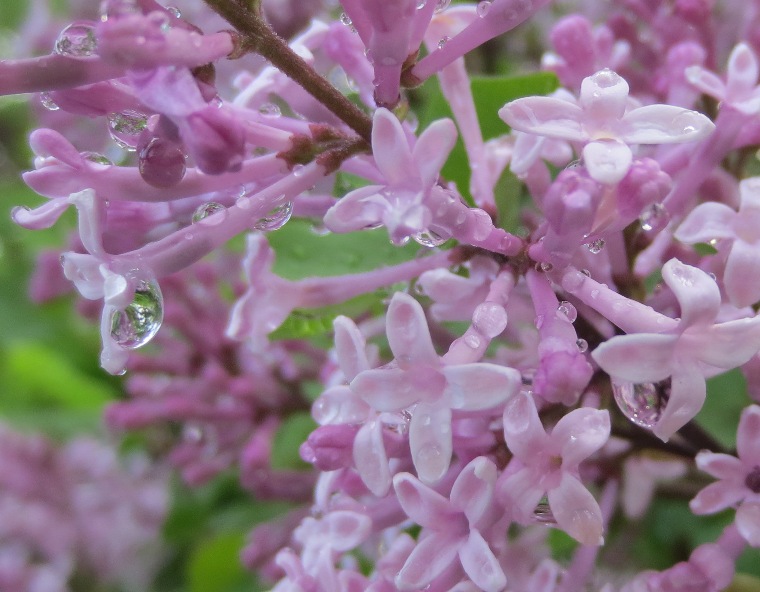
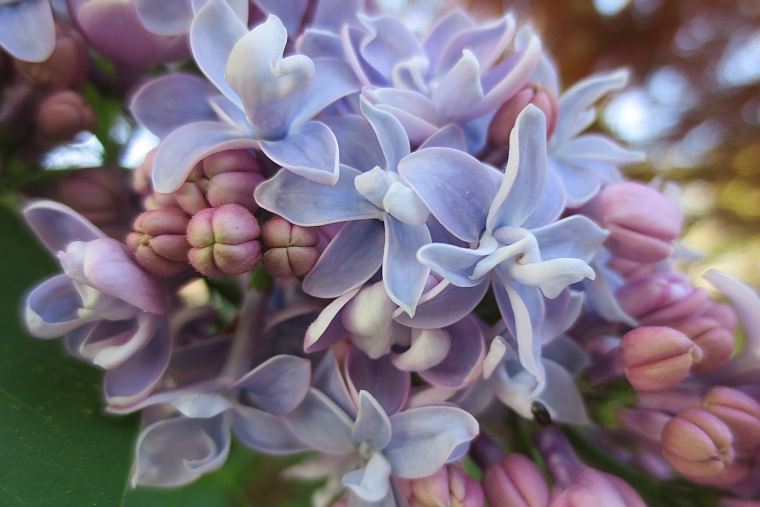
Behold the Korean lilac. While smaller in stature and flower than its New England counterpart, this one blooms just after they finish up, and lingers a little bit longer (if temperatures aren’t in the 90’s). For that reason, among others, I find them invaluable. Their smaller leaves are more refined, but do not be fooled by their delicate appearance – they are hardier and less susceptible to mildew than the natives. The blooms are decidedly on the pink side, and the fragrance is just as strong as the traditional lilac, but with a slightly sweeter lilt.

These can be trained into small tree form (I once saw an exquisite specimen done in this manner beside a church. Drawn first to the fragrance, I looked around for a while before realizing its somewhat unassuming smaller flower sprays were the source of such perfume.)
Mine remain as bushes, imbuing the backyard with their potent olfactory effect. Plant them in a bright sunny spot where they can be appreciated, near the doorway or by the pool, to maximize enjoyment.

Continue reading ...

Flowers Following the Rain

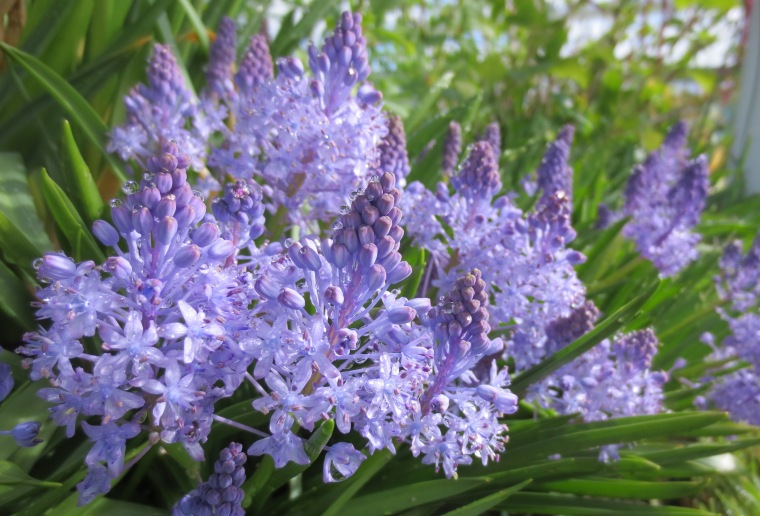
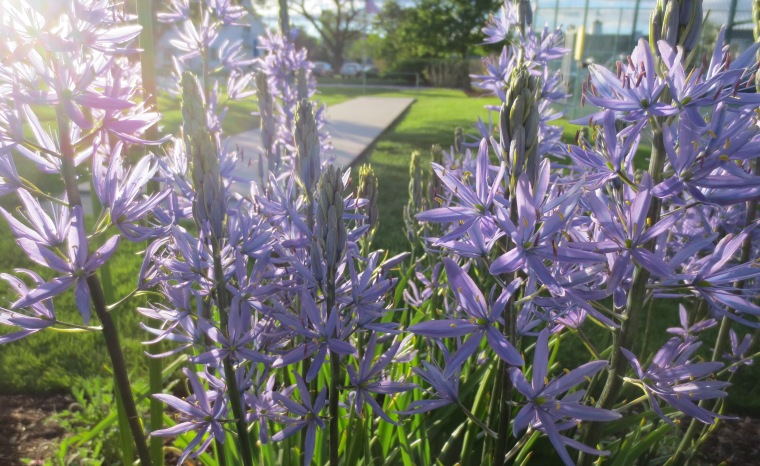
Here are some of the rewards from putting up with all of last weekend’s rain. If you love flowers as much as I do, it was well worth it. These beauties were blooming in Ogunquit on our last visit, beckoning the summer while hanging onto the spring. I especially like the unique variety of Muscari featured here – a frilly version of the more traditional grape hyacinth. Sometimes the hybridizers manage to do something both spectacular and delicate.

13vibflowr2.JPG

13vibflowr3.JPG

13vibflowr4.JPG

13vibflowr5.JPG

Continue reading ...

A Secret Garden Path

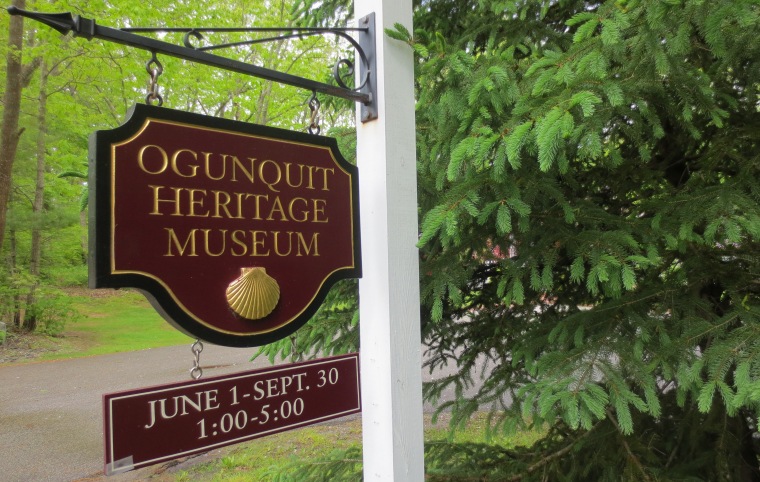
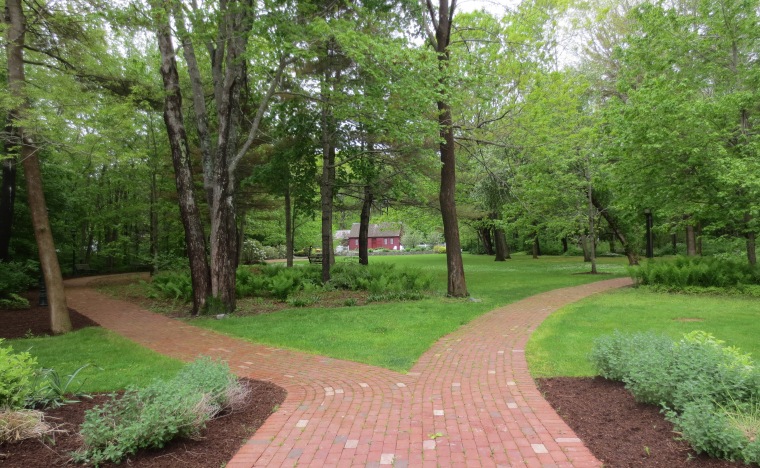
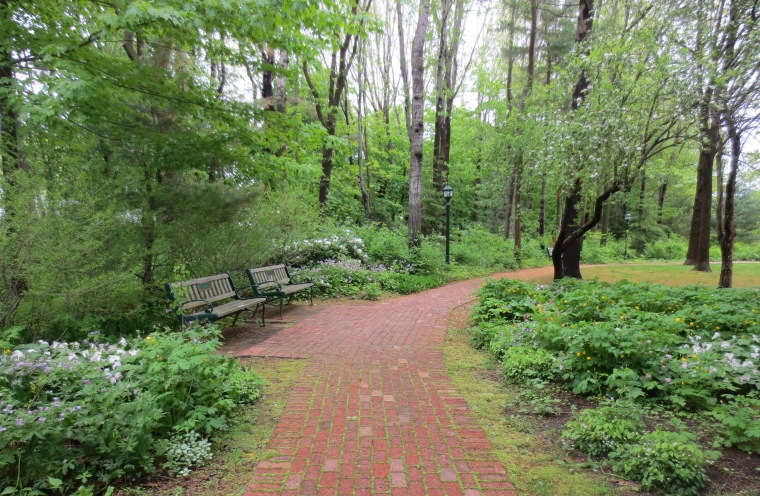
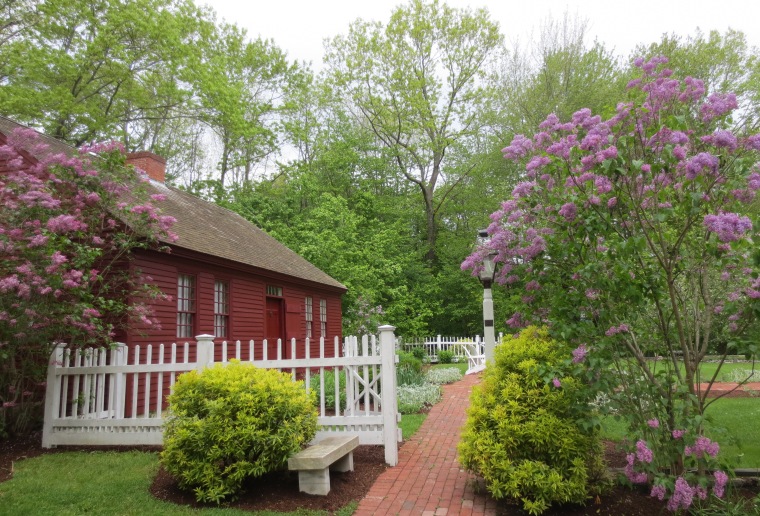
Off the beaten path, with only a small sign to notify passers-by, the Ogunquit Heritage Museum is one of the better-kept secrets of this town. We happened upon it last year, taking a circuitous route home one day, and it beckoned to us through a line of oaks and maples. Hidden away, it doesn’t shout, or even announce, its presence so much as it waits in secret quiet. Though the hours it is open are scant (and I’ve never managed to find myself there when the museum itself was welcoming visitors), it’s the garden path that lies before it that is the main draw for me.

The Road Not Taken

Two roads diverged in a yellow wood,
And sorry I could not travel both
And be one traveler, long I stood
And looked down one as far as I could
To where it bent in the undergrowth;

Then took the other, as just as fair,
And having perhaps the better claim
Because it was grassy and wanted wear,
Though as for that the passing there
Had worn them really about the same,

And both that morning equally lay
In leaves no step had trodden black.
Oh, I kept the first for another day!
Yet knowing how way leads on to way
I doubted if I should ever come back.

I shall be telling this with a sigh
Somewhere ages and ages hence:
Two roads diverged in a wood, and I,
I took the one less traveled by,
And that has made all the difference.

 ~ Robert Frost

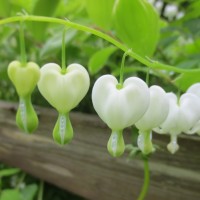
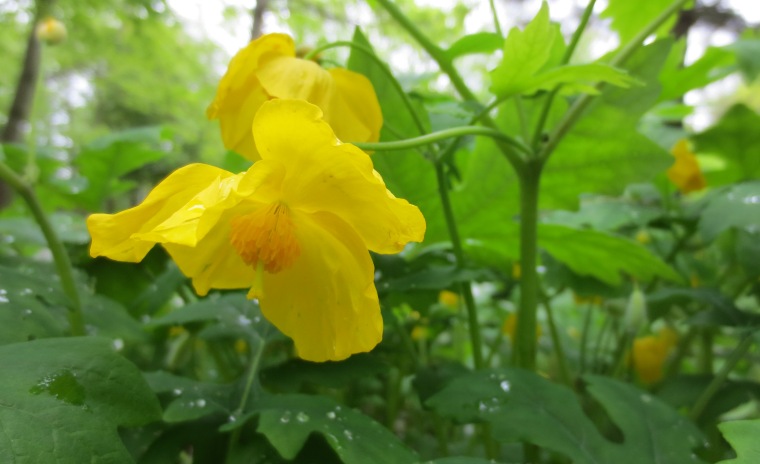
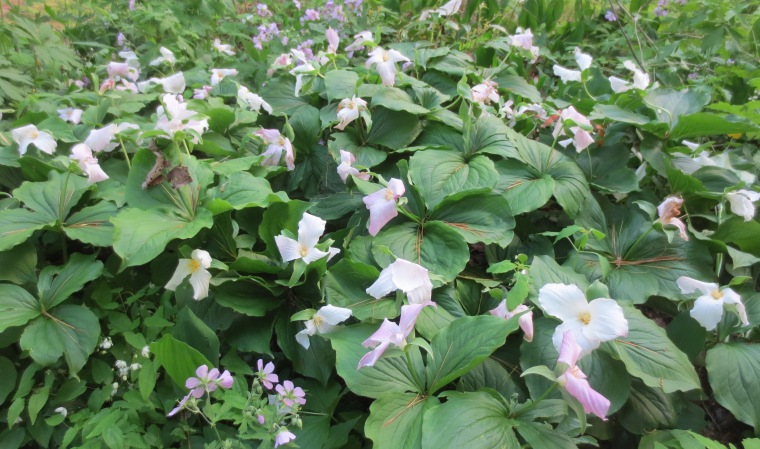
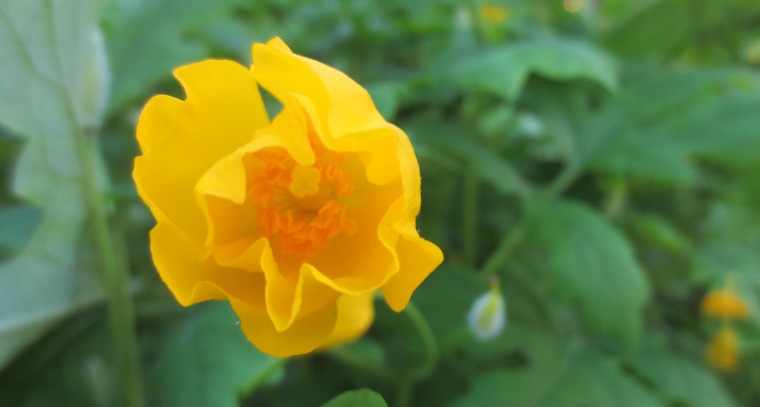
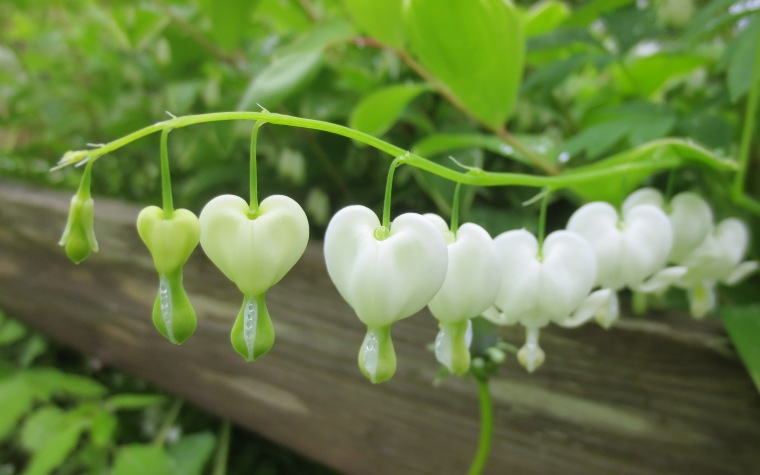
In a town crowded with the first flush of tourists, this is one spot where it is common to find sweet delicious solitude at any given time. It is also brimming with seemingly-forgotten woodland plants, rare finds like white bleeding hearts and great swaths of Trillium just past their peak. An unidentifiable yellow plant shakes its wet blooms free from the rain, its canopy of leaves protecting its pendulous hairy seed pods.

The path leads in a rough circle from the small red museum building out through the wooded area, then back to the small rise of steps leading into the building, framed by lilacs in full, fragrant bloom. On this visit, I am alone. Andy is resting back in the guesthouse.

Sitting on a bench beside the stand of faded Trillium, I am taken back to a snippet of memory I’m not even sure is mine. It is a glimpse of the spring forest in Vermont, near a covered wooden bridge. A red Wake Robin nods its crimson head in the breeze, a few feet away from the road and buffered by the trees. Then it is gone. The flower. The memory. The sunlight.

I never quite manage to share the sublime with anyone.

Continue reading ...

A Hint of Ogunquit

Before rolling out a few Ogunquit posts (especially considering the fact that they have not yet been written), here is a whiff of the springtime beauty found in that Beautiful Place by the Sea. These blossoms provided a cheerful welcome and bright beginning for the Memorial Day weekend.

Continue reading ...

Sweetness Follows

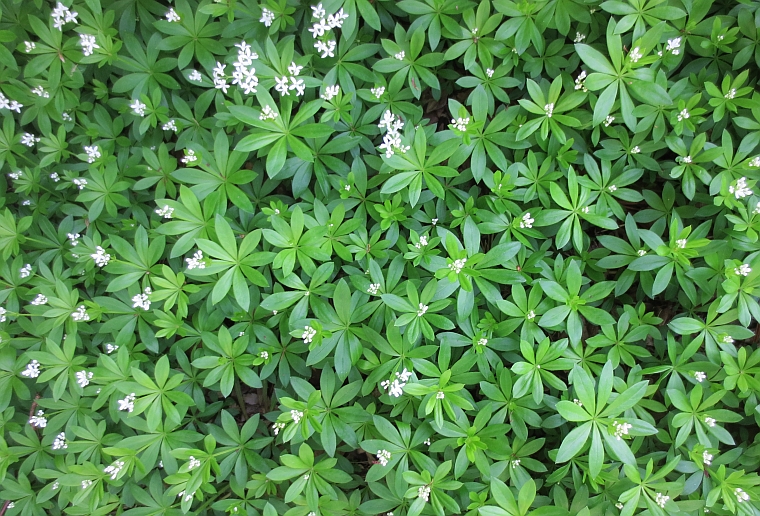
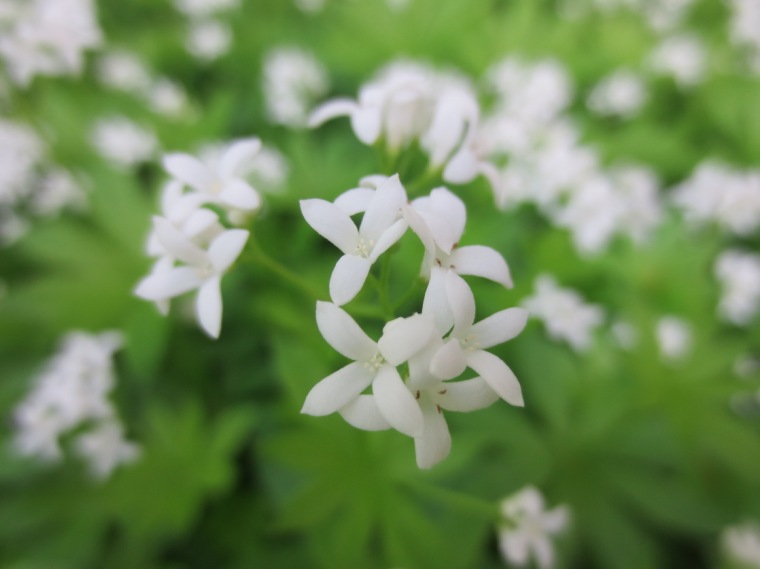
The charm of sweet woodruff has been documented in these pages prior to now, but it’s in full bloom both here and in Maine, so here’s a pair of photographs that I particularly enjoyed. With such small, airy blooms, the effect of these plants is largely lost in photos, but these come close to conveying that ephemeral magic, at least as best as can be conjured with a little green Canon Elph.

Continue reading ...

Woodruff Oh So Sweet

Since it is one of my favorite plants, the spread of this Sweet Woodruff (Galium odoratum) is not an unwelcome bit of invasiveness, at least at this point. Started from a few small clumps gleaned from my parents’ backyard (where it has also made a decent-sized mat), it has spread and formed a lovely groundcover in two areas. I may transplants a few divisions and let it take over some of our unkept area on the side of the house (where it will hopefully choke out some of the more annoying weeds).
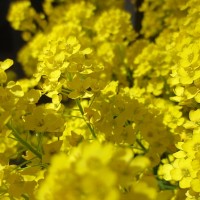
I’ve read that some people use the leaves of Sweet Woodruff to make May wine. Personally, I prefer my wine at every month of the year, and without the wait of fermentation and such, so there will be no wine from this green carpet, only the white blooms currently in their glory.

Continue reading ...

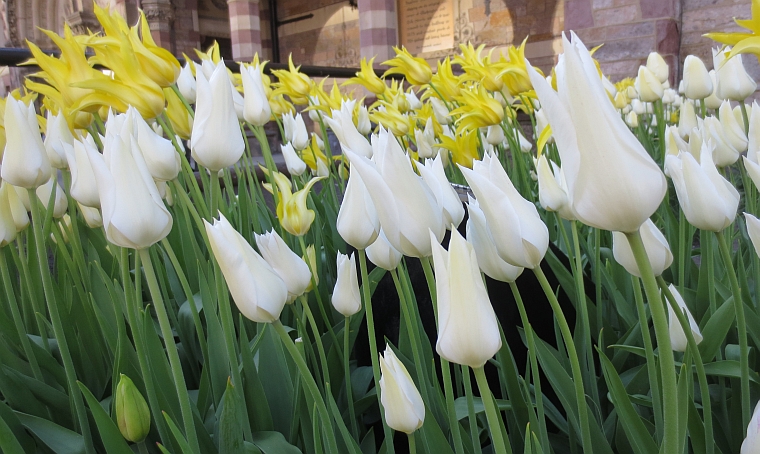
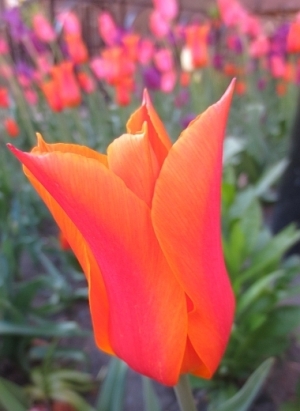
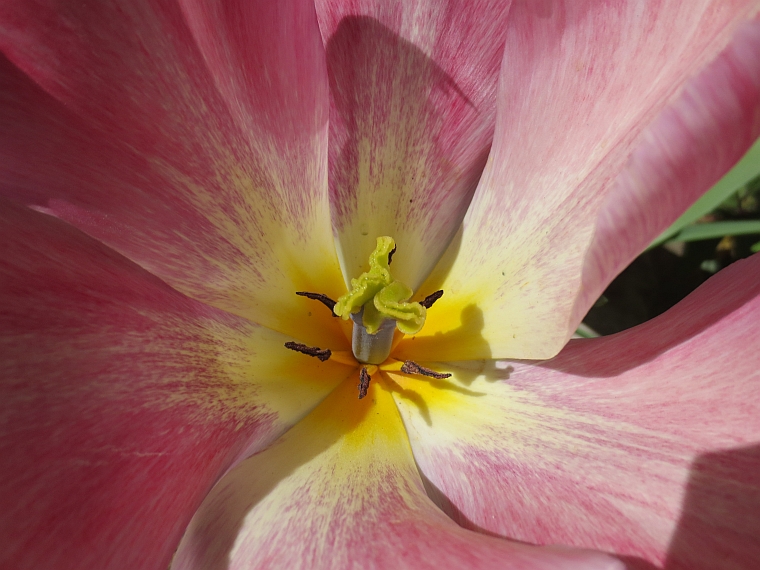
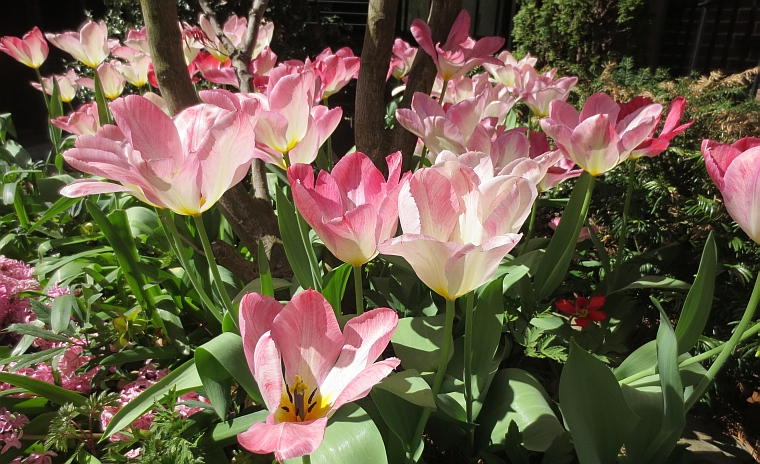
Tulipmania

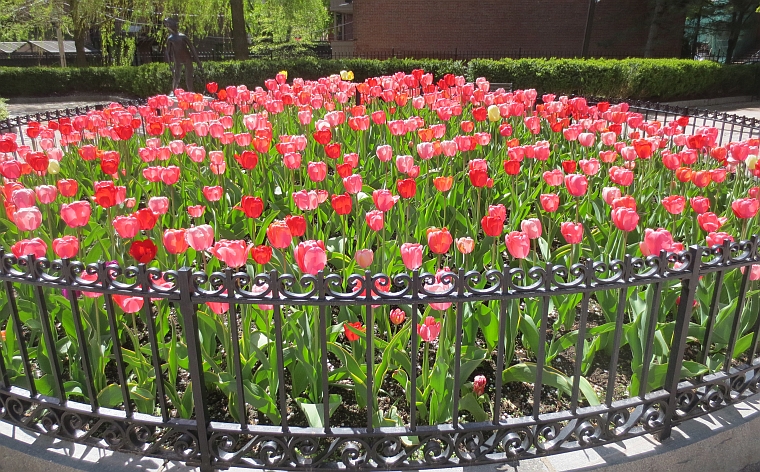
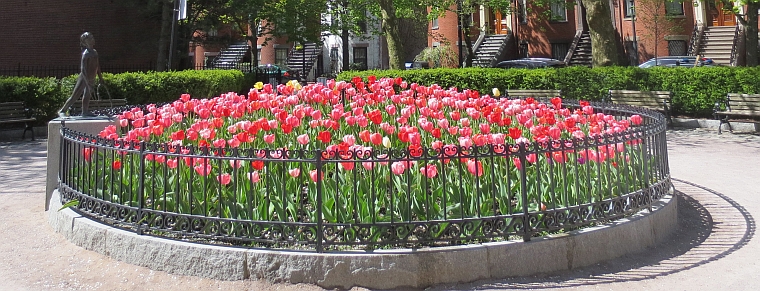
The first book I ever checked out from the Amsterdam Public Library was an illustrated story on the tulip craze in Holland. When the first tulip made it into that country, hysteria ensued upon seeing the beautiful bloom that came from such a simple bulb. Fortunes were made and lost as cost for a single bulb reached insane heights. Poring over the pictures and the story, my love for books and flowers was born. Every time I see a tulip in bloom, I think back to that day in the library, to the way that beauty and words collided, the way art and nature entwined, and my heart aches a little for such a simple joy.

The tulips here were found in one of the smaller parks that somewhat secretly reside in the South End of Boston. Like a jewel waiting to be excavated, a bed of flowers, made somehow more beautiful by its semi-secret nature, is a gorgeous bit of whimsy. It is a treat to behold, discovered by a few lucky individuals who take the time to pause on their way, look deeper into their surroundings, and tread along a gravel-lined path off the beaten trail.

Continue reading ...

Happy Mother’s Day!

When I was a kid, I used to sneak out on the Saturday night before Mother’s Day and traipse through the backyard and neighborhood to find a big bouquet of lilacs for my Mom. (Not from the neighbor’s yards, but the island in the middle of the street – relax and leave the po-po out of my poignant story.) It would be dark, but once my eyes adjusted it was second-nature to navigate through the night, blending into bushes when the rare car would pass, or simply walking nonchalantly down the street as if I belonged. So many things in life get ignored if they look like they belong. I’d wrestle with the branches, but if bent at the proper angle, you could snap them off without the use of pruning shears. (At least, I could do it as a kid – now I’m not so sure.) Often, the bunches would be heavy with rain or night dew, and by the time I got home my arms and pants would be damp and covered in stray wet leaves.

It was the least I could do for my Mom, who had done so much for us, and a bouquet of lilacs would always pale to the kind of grand gifts I would have liked to give her, but it was the best a kid could muster. Happy Mother’s Day to all the mothers celebrating today – you truly have the hardest job in the world. And a special thanks to my Mom, who never once complained about it.

Continue reading ...

Judas, Judah-ah-ah, Judas

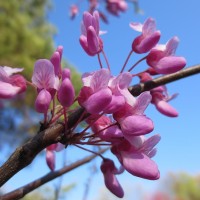
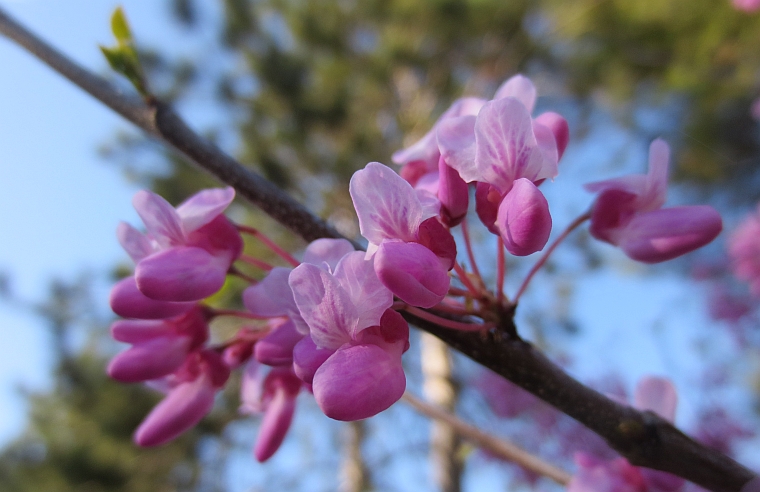
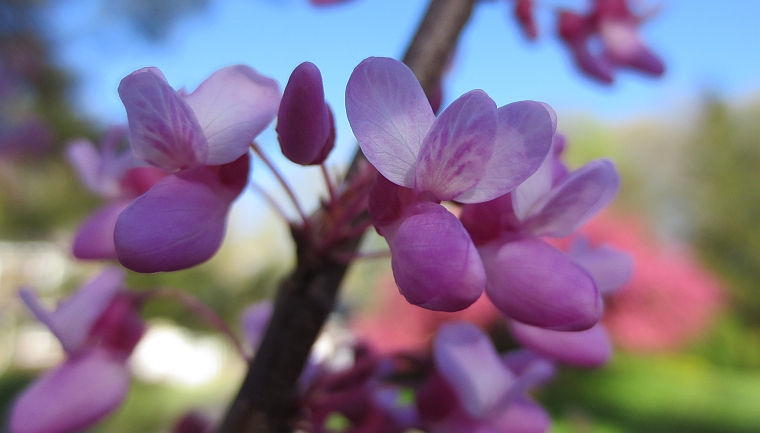
These pea-like blooms belong to the Redbud tree (Cercis) currently blooming in our front yard. This year marks its best flowering yet; the first two springs it produced only a few blooms, and I was beginning to worry. Those fears were laid to rest when I saw the buds forming earlier in the season. Like the American dogwood, this tree flowers before the foliage appears. Going one step further in uniqueness, it flowers directly from the bark, as opposed to the ends of the stem, like most trees.

The origin of its common name is under dispute. Some say it was the tree that Judas hung himself from after betraying Jesus. Others contend the flowers and seedpods resemble the hung Judas after said act. Whatever the reason, great tragedy often belies great beauty.

The slightly heart-shaped leaves remain fresh and vibrant throughout the summer season, a boon to its sun-baked location beside the driveway. This was one of those unassuming below-the-radar trees that I never gave much thought to until late in my gardening game. I was impelled to try it out when reading about its beauty in a tree guide book. The author was so enamored that he claimed if he had but one tree to grow in the world, the redbud would be at the top of his list. What can I say, I’m an easy target for (and source of) dramatic exaggeration.

Continue reading ...