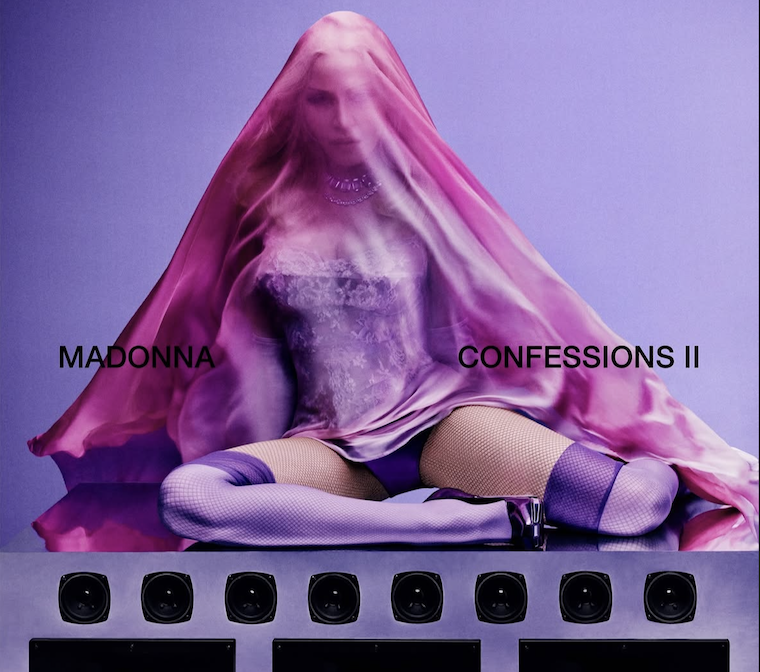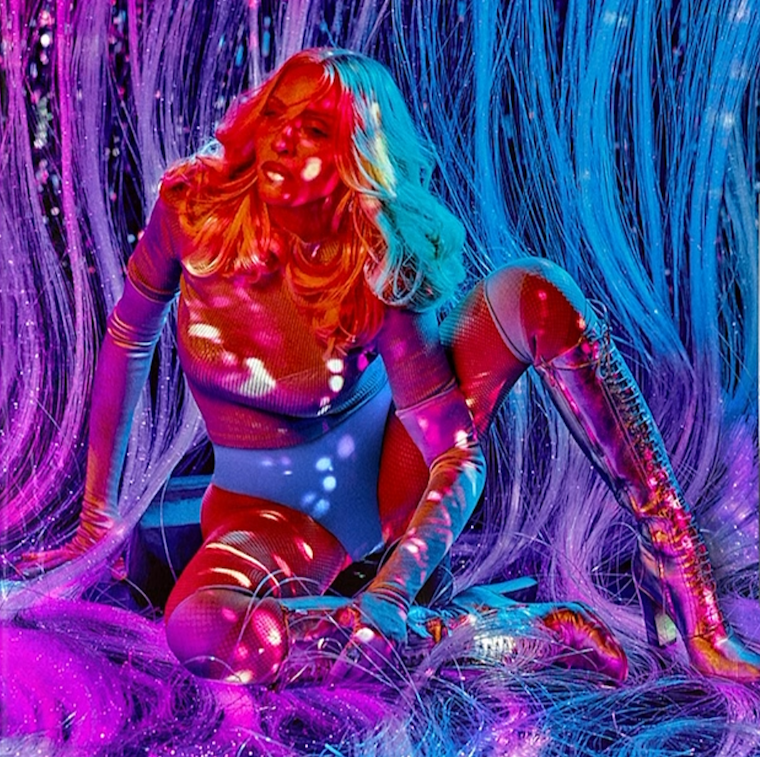
Madonna once proclaimed that you can never do the same thing twice, no matter how fierce. She was talking about making her ‘Erotica’ album in 1992, but after over four decades of making music and magic our queen of reinvention is recalling her past glories, while looking defiantly into the future. Her first album of new music in seven years (the absolute longest stretch of time without new Madonna music in her entire career) ‘Confessions II‘ is the companion piece to 2005’s ‘Confessions On A Dancefloor‘ but it probably should have come with its own title, as it stands alone as a work of individual art.
For all the naysayers that complain she’s still putting out photo shoots and new music while being less than nimble as she once was, the sexism and ageism is only showing their bitterness; Madonna is going to be Madonna, as she’s always been, and they’re still talking about her like it’s 1985 all over again.
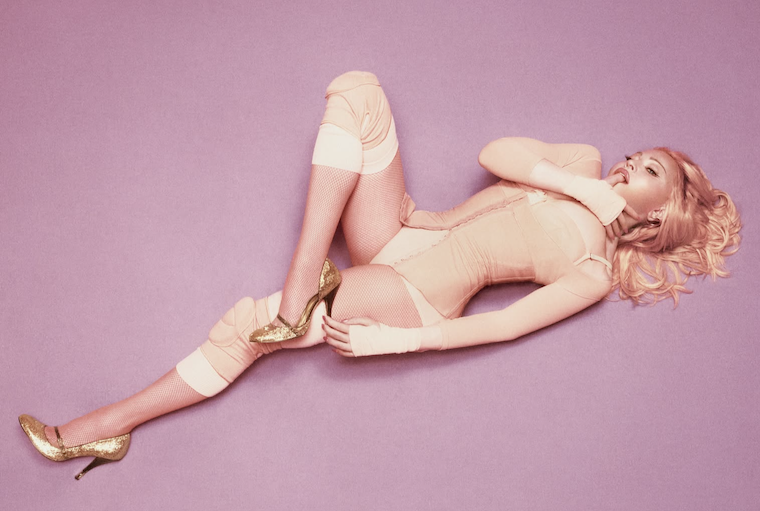
While the original ‘Confessions’ was technically a seamlessly mixed group of songs, they were very much distinct and easily distinguished from each other, which made for a traditional album. This time around, the music feels more cohesive and closely linked, the sonic landscape a journey and an experience to be taken as a whole. It works like a DJ set at the clubs as Madonna used to run them, and opening salvo ‘I Feel So Free’ echoes her own ‘Future Lovers‘ which itself took its sound from Donna Summer‘s ‘I Feel Love’, setting the tone and the feel for the music to follow. Lyrically, and with frequent spoken bits, Madonna maintains the confessional mood throughout the album, notably sharing the spotlight and volleying with pop-star-of-the-moment Sabrina Carpenter, whom she asks “What are you doing it for? Is it for you? Is it them? I got something I wanna talk about.” A more glaring understatement Madonna has never made – she’s been talking for years about all that’s important to her, and sparking an international discussion on topics like sexism, homophobia, racism, and ageism.
Credit and respect must be paid to Stuart Price, who was responsible for the original ‘Confessions’ album, and whose DJ expertise has created the musical thread of hypnotic beats that runs through the heart of the proceedings, and he cements his status as one of her most important collaborators, on the level of Patrick Leonard, Stephen Bray, Shep Pettibone, WiIliam Orbit and Mirwais.
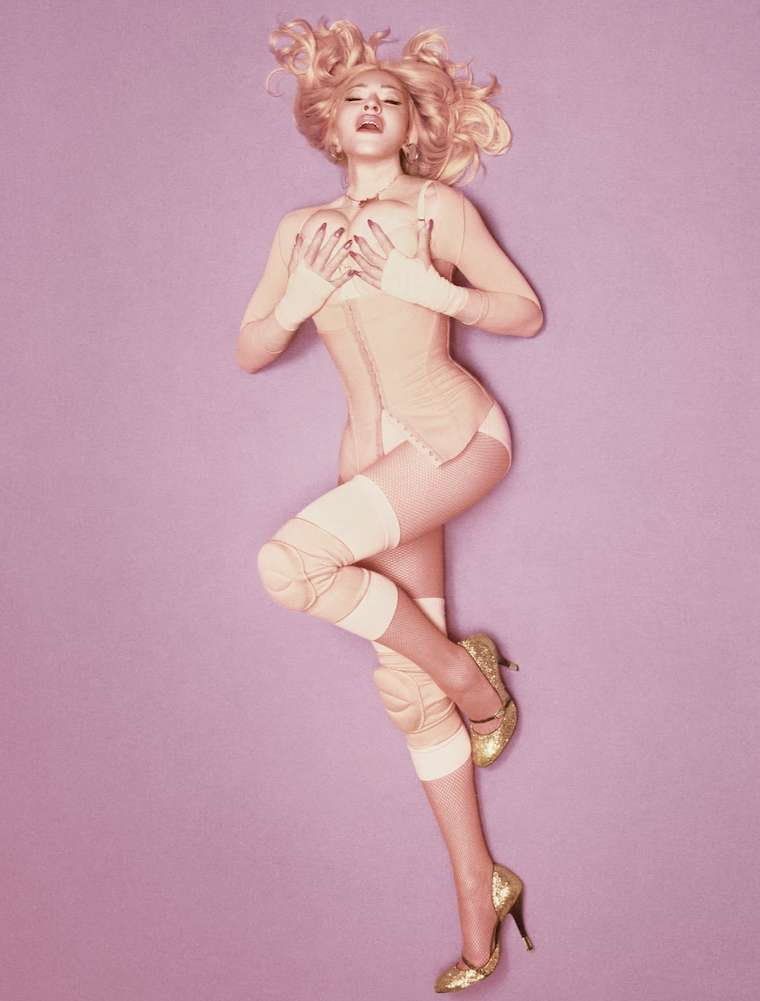
While the first few releases (‘I Feel So Free’, ‘Bring Your Love’ and ‘Love Sensation‘) were brilliantly rolled out to build momentum, it’s the next single, the banger ‘Danceteria’, that helms these proceedings, nodding to the past and Madonna’s historical place in New York’s dance club scene. It gives lifelong fans the lifeblood that is a perfect Madonna dance song, one that name-checks her iconic crew from the 80’s, reminding us of a world long lost – a world of unabashed joy, where the only things that mattered were the dance floor, the music, and perhaps a cute boy who had the courage to dance with you.
‘Everything’ is a plea to live life outside, its racing, jittery, relentless pace driving the sort of urgent demand to meet the moment that only Madonna knows so well. In ‘Bizarre’, she paints a dramatically cinematic abstract about a relationship gone every which way but right, while on ‘School’ she seems desperate to be taught something new, something she doesn’t already know, which, when you’ve lived a life like Madonna, is a pretty tall order. Her hunger is palpable, working through artistic metaphors and seeking someone to teach her something novel about love.
‘Confessions II’ is on its surface celebratory and euphoric, yet it proves itself more resonant and rooted in deeper emotions and ruminations, particularly on the cuts where Madonna references family issues such as the loss of her brother Christopher (‘Fragile’) and her relationship with her daughter (‘The Test’) which features vocals by Madonna’s eldest Lourdes.
In the seven long years since her last original album, Madonna’s been through a lot – including a near-death experience. That sort of drama informs all that’s at work here, lending the soundscape an urgency and gravitas that transcends the boundaries of the dance floor, even if that’s where Madonna finds her salvation – it’s the place she has always found salvation, and this return feels especially poignant and powerful. After almost four and a half decades in the music business, the Queen retains her crown.