Category Archives: Gardening

Loud as a Lychnis

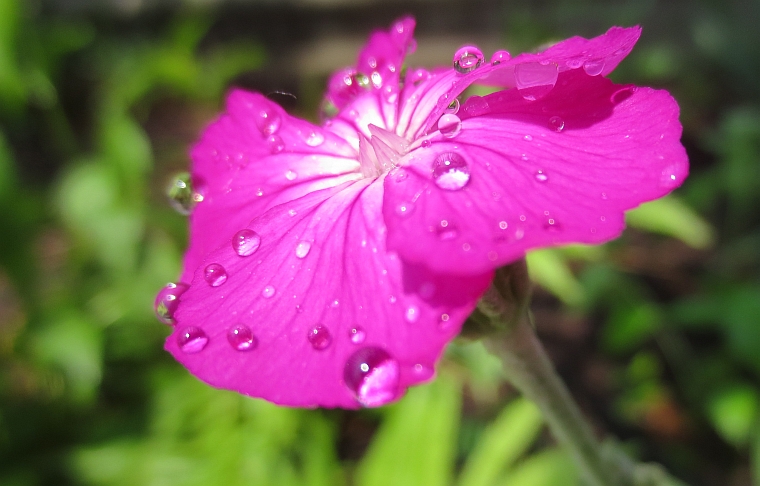
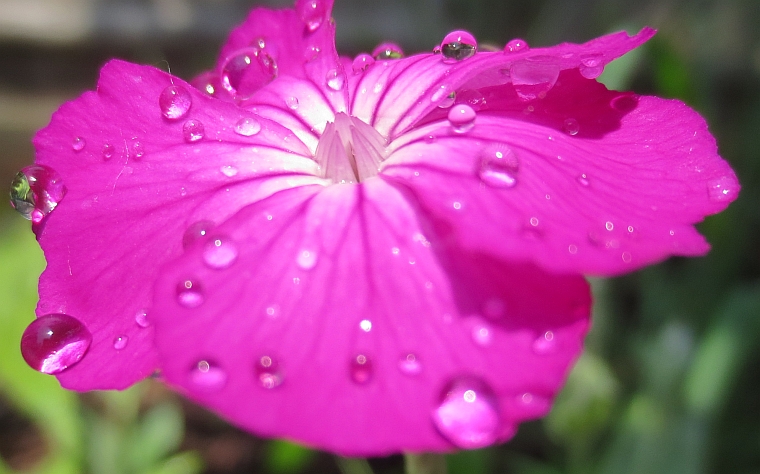
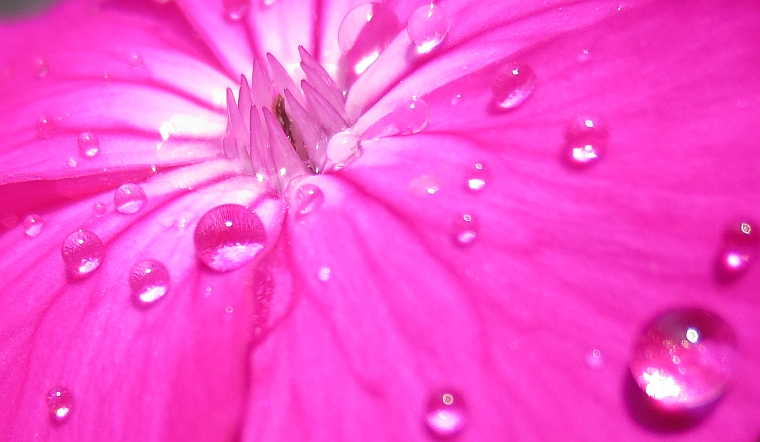
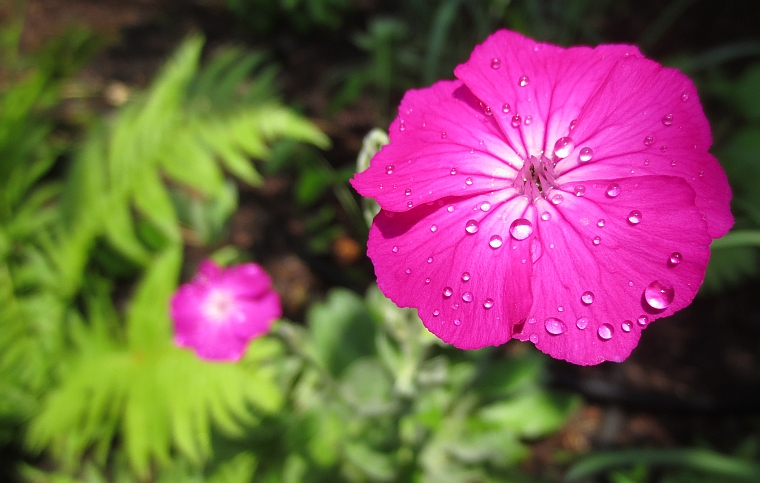
It is one of the smallest flowers in the garden right now, but due to its color it’s one of the loudest. (I can relate.) Refusing to be ignored, the flaming magenta hue of this Lychnis floats atop a much quieter puff of gray-green wooly foliage. While I’m not a fan of its structure (leaves low to the ground, long stems, flowers floating aloft), the color alone (and its re-seeding prowess) has kept it in the garden for a number of years.

This is one of those flowers that illustrates the power of color, and how the bold ones advance while softer ones retreat. I can always spot the first lychnis bloom, no matter how seemingly hidden by tall grasses and unruly wisteria vines it may be.

As I mentioned, I’m not a fan of its form. There’s a lot of middle space between the foliage and the blooms that remains empty. Some consider this look appealing, I myself do not. It gives it a bit of a gangly, weedy air.

But for that kind of color, I’ll compromise.

Continue reading ...

You May Mock Me

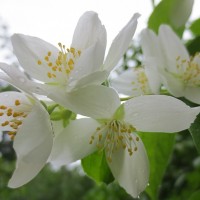
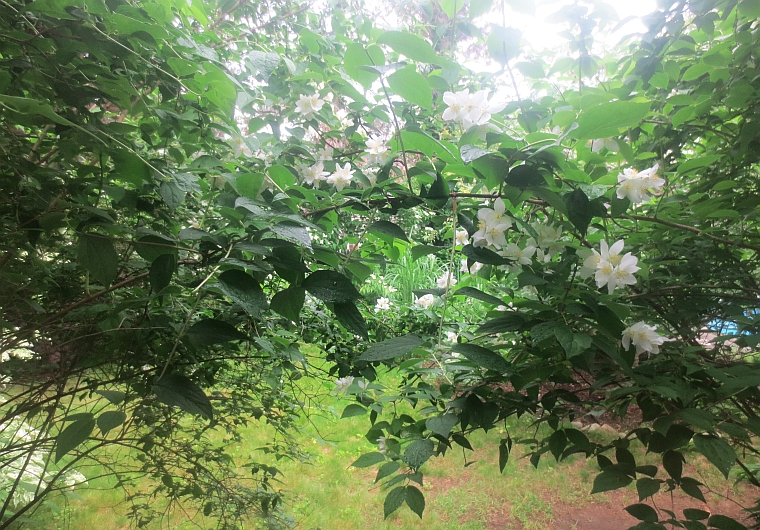
This simple and somewhat forgettable bloom is that of the mockorange, and it possesses one of the most deliciously sweet fragrances of the early summer garden. Aptly named due to its olfactorial proximity to the orange blossom, the mockorange is a hardy shrub, rather plain to look at in foliage and branch. In fact, we had two ancient mockorange shrubs on our property when we bought the house, but they were almost unidentifiable as they had been neglected and didn’t bloom for a year or two. I chopped them back and amended the soil, and they returned to former glory. That same year I planted two nursery-procured pots in the backyard, in spots that were, and remain, slightly too shady. They bloom now because they have grown tall enough to tower above the beginning of the roof, reaching the run and showering their sweet perfume from high above. Unfortunately, that’s a bit too high, and they’ve overreached their allotted space. As such, they will need to be cut back drastically this year once they finish their blooming period.

The time period immediately after flowering is usually the best time to prune spring blooming shrubs. Flowering cherries and dogwood and lilacs form next year’s flower buds during the summer, so if you wait until the middle of the season you run the risk of cutting off next year’s blooms. Of course, with the heavy pruning job I have planned for these monsters, there will likely not be any flowers next year. But the backyard needs to be cleaned up, and I’ve let this go long enough. It’s time to get brutal, just as soon as this season’s blooms cease emitting their delectable scent.

Continue reading ...

Pot it Up

Aside from a few ferns on the front porch, and a couple of gigantic containers of Brugmansia (Angel’s trumpets) a number of years ago (which eventually grew too large to over-winter) I haven’t done much container gardening until this year. My focus was always on, and in, the ground. Yet it turns out I was missing out, and each summer I’d gaze at the barren patio of the backyard and regret not having planted something, say, before the date of a party or family gathering. This year I planted a number of containers – filled with sweet potato vines, coleus, begonias, and a couple of elephant ear bulbs in the old Brugmansia container. The latter just started poking through the soil, and it looks like we’ll have a verdant backdrop to our get-togethers.

PS – These petunias are electric.

Continue reading ...

Behold, The Celadon Poppy

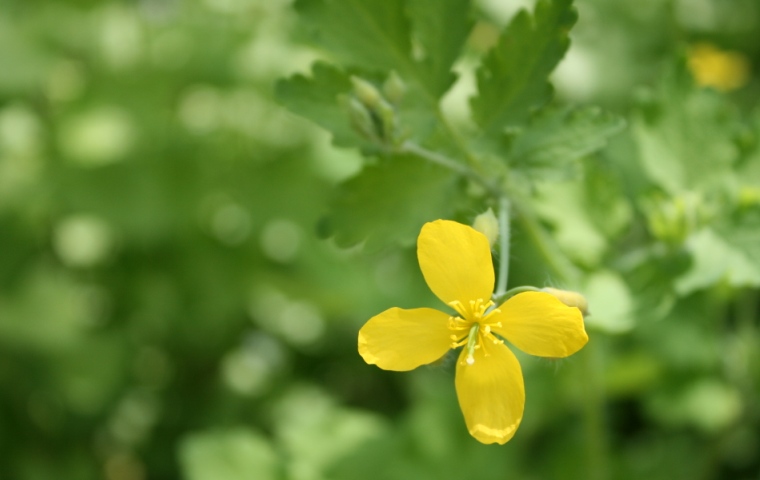
These small-flowered plants grew wild in the backyard of my childhood home. As such, they seemed less interesting than the exotic annuals and perennials in the proper beds, and I took them for granted. Only years later, when I saw them on sale for $15 a plant, did I realize how valued they were in certain areas. (If the common dandelion did not re-seed and come back so prolifically, we’d be paying through the nose for those sunbursts of blooms and jagged leaves.) The common name of the celadon poppy seems to reference the gorgeous bright hue of the matte foliage – with its hints of silver and cooler shades of green. The stems and flower buds are coated in light-colored hairs, lending a textural highlight that offsets the smoothness of the foliage.

As mentioned, the flowers are small, but of the brightest and clearest yellow. Visiting friends often mistook them for buttercups, holding them up to their chins and asking if they liked butter. The plant had its own subtle defenses too, with a sap that ran somewhere between orange and yellow when any of the stems or buds were broken. It stained skin and clothing alike, a warning signal that belied any delicate appearances.

Continue reading ...

Chives, Chives, Everywhere Chives

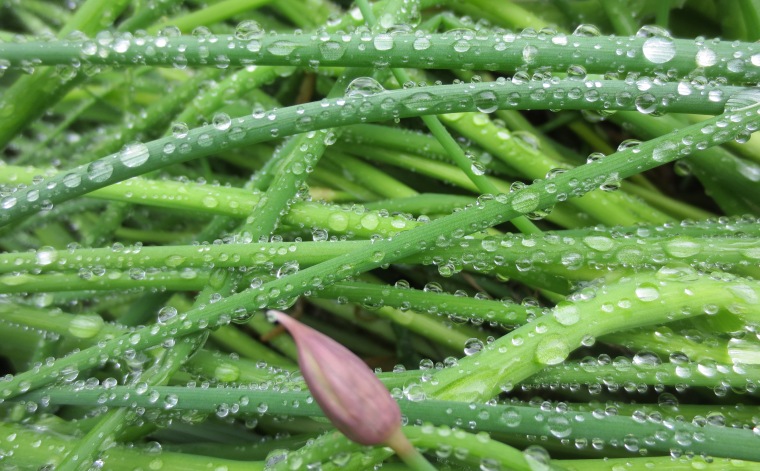
My niece Emi likes to eat chives. She’ll go up to the small group of green stalks, pull one off, and just start chewing it. It’s a little strange, but kids could do far more destructive things, so this seems like a healthy quirk. (She also likes to pull off the flowers of irises, which is less healthy, but I digress…) Because chives are so common and hardy, I’ve never given them the adulation they might deserve, but having recently added them to a number of dishes, it’s worth noting that they can make all the difference in the world. As can be seen here, they’re even pretty in the rain.

The subtle, slightly sweeter hint of onion adds a delicate flavor to many foods, and their bright green color and clean form lends a refreshing pop and pizzazz to otherwise lack-luster presentations. I find it easiest to cut them into the desired length with a pair of scissors (versus a knife and cutting board) – it tends to leave a cleaner cut and results in less bruising. If you’ve ever been daunted by growing your own herbs, or chopping them up, chives are a great way to start.

Continue reading ...

Lady’s Mantle

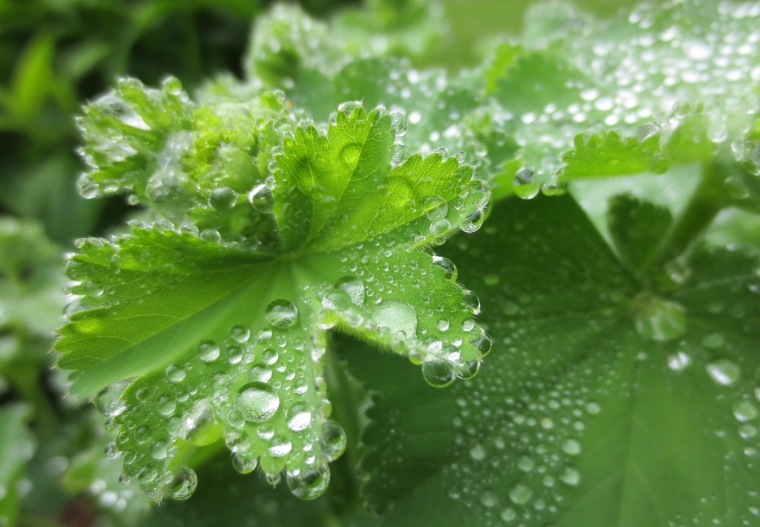
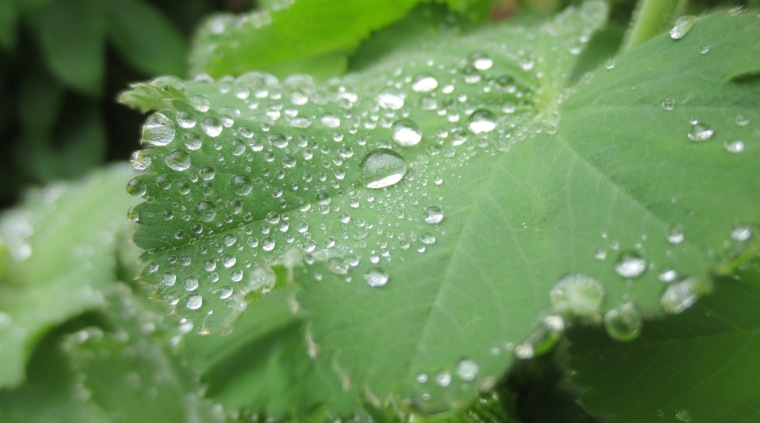
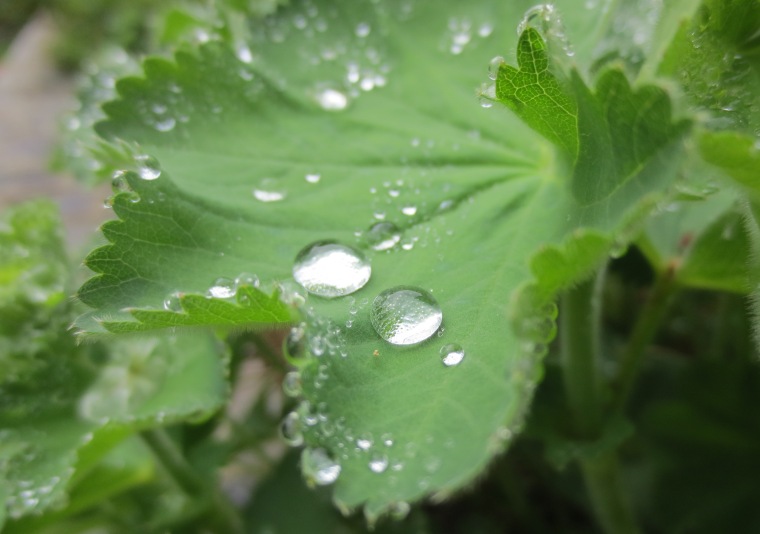
There are certain leaves that hold water well, allowing it to bead and pool like sterling drops of mercury, perfectly capturing and throwing back the light, shimmering and sparkling like a thousand tiny crystal orbs. The lady’s mantle is one of these plants. A great garden plant without such tricks, it throws sprays of bright chartreuse flowers out at this time of the year, the perfect reflection of the freshness of the season. The day these photos were taken was following a stretch of rainy days, so they had more than enough moisture collected for their close-ups.

There’s a more subtle beauty to be found in the overlooked foliage of certain plants. It’s easy enough to be wowed by the flashy floral fireworks of roses and peonies and lilies, but without a proper verdant background, those things just wouldn’t pop.

Sometimes, with a helpful sprinkling by Mother Nature, those leaves become a show of their own.

Continue reading ...

Overlooked & Under-rated

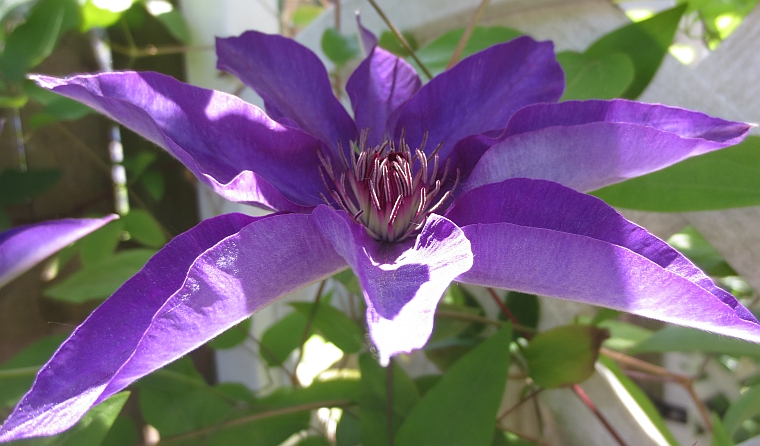
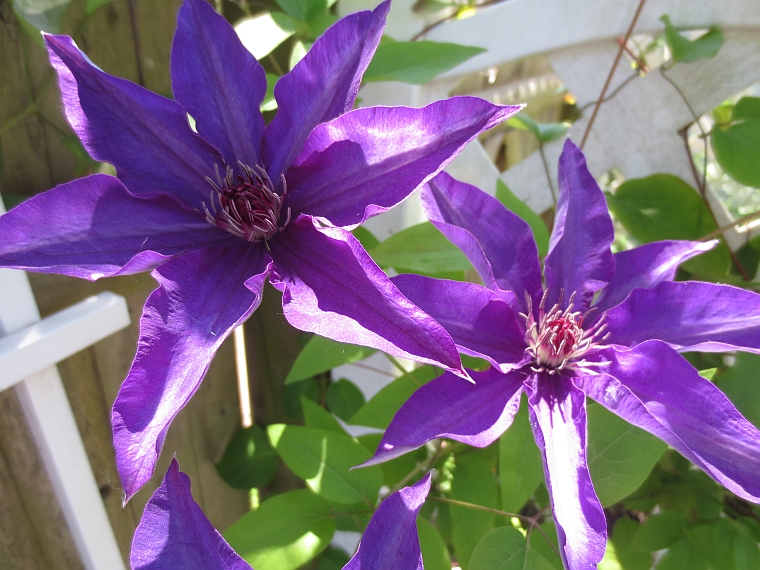
One of the mystifyingly unheralded plants in my garden is the clematis. Aside from a sweet Autumn clematis that covers an arbor in the side yard, I never quite give them the love they deserve, the fault of which lays entirely at my feet (in the shade) in spite of the fact that they continually give good face (in the sun). This purple version sits on the other side of the arbor, where I plopped it mainly as an afterthought, yet here it is, brightening its little corner, blooming at the top of the adjoining fence, and valiantly performing despite my neglect. This year, I may have to work to make some amends.

Pruning is the tricky part of caring for the clematis vine. To be honest, aside from the sweet Autumn version and the common purple Jackmanii variety (both of which perform best when cut down to a foot in the earliest spring, before new growth starts), I don’t know enough to say anything on the basic pruning of the other forms. If you don’t know, ask for instructions or research which variety you have to determine a pruning schedule, as that is the key to getting them to bloom properly. (It’s also one of the reasons I’ve avoided them; easy upkeep is the way I try to operate in the garden.) There are beautiful flowers on some of them, though, so I may have to put in the effort one of these days to figure it out. ‘Nelly Moser’ in particular looks especially lovely, and with a name like Nelly, what on earth has taken me so long?

Continue reading ...

A Very Cut-Throat Year

Battle-worn, weary, with barely a fight in me left, I stare out at the late spring afternoon sunlight pouring into the backyard. The overgrown branches of a pair of mockorange bushes threaten to close off the view, which is mostly just a panoply of bright green, backlit by the sun. They are only beginning to come into bud now – summer is still a couple of weeks away. We can pause for a moment. Still the night, still the moment. After they bloom, I will prune them back hard. This is the year of cut-throat rejuvenation. If I can tame a thirty-foot cherry, I can topple a fifteen-foot mockorange. The gardener must be ruthless.

I just cleared an overgrown viburnum, and with little room left in our yard I had to let it go completely. After pruning the branches back to the main stumps, they wept, spilling their treacly sap in perfect emotionally-manipulative form. I almost felt bad, until my back felt how stubborn their roots were. Then the battle was ON. And it was heated. A few earthworms may have been innocent casualties. A whole bunch of sweat, dirt, blood, and tears later, and one very unhappy but finally dislodged little tree, and the day was done.

Not that I’m entirely heartless. In fact, the reason for all this effort was to make a better home for a prized Japanese umbrella pine, which had finally outgrown its underneath-the-cherry place in our backyard (as deep down I always knew it would). For something as rare and graceful as the Japanese umbrella pine, some coddling and pampering are warranted. Fingers crossed that the transplant does well. The ghost of a vicious viburnum may spurn anything that tries to follow in its path. In this world, no one is entirely innocent. The blood of trees is on all of our hands.

Continue reading ...

Tea-Scented Tree Peony

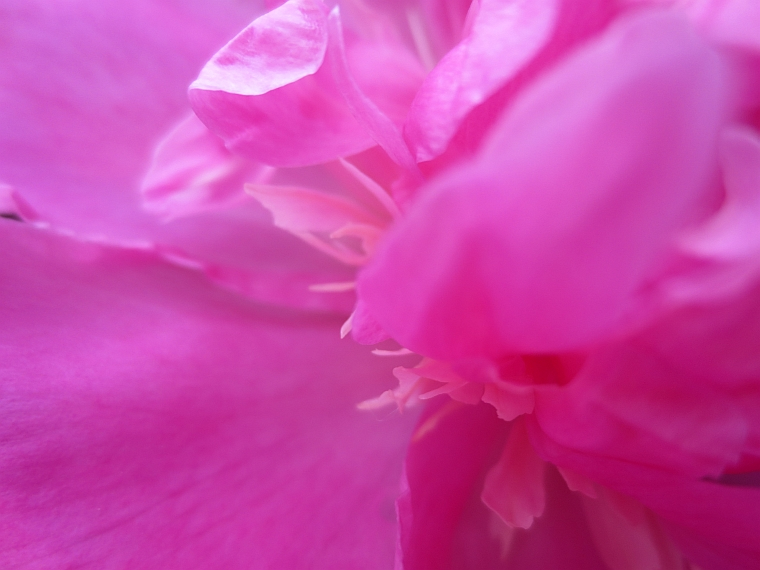
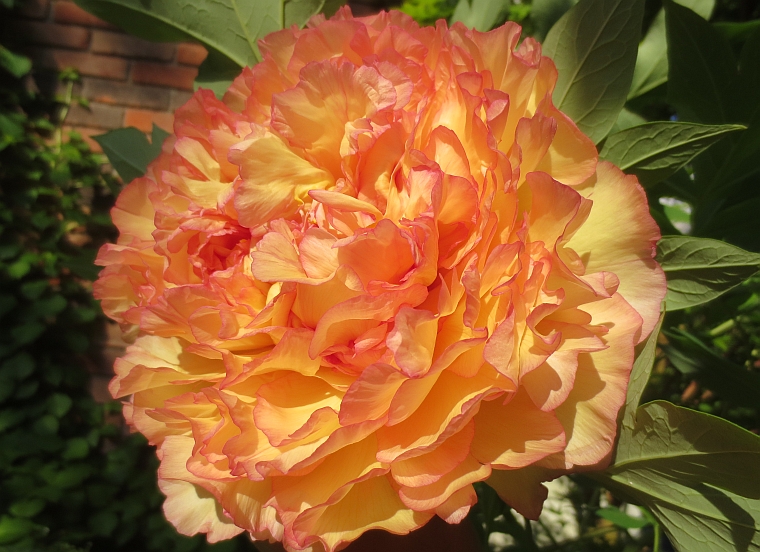
One of the more graceful plants in the garden right now is this peach-tinted tree peony. Its blooms are huge – dinner-plate-dahlia-sized when they reach their full potential – and their journey is remarkable. It begins in the tight swelling of its almost silvery bud. The bud gets larger and larger, eventually (and this is the plant’s one major drawback) getting too top-heavy to stand up straight, drooping and nodding and dangling its heavy load at the end of the branch. By the time it starts to open, it is usually facing the ground, and hanging well below the finely-cut foliage. For this reason, I often end up cutting the stems and bringing them inside. This is when the magic begins, and it’s fascinating to watch up close.
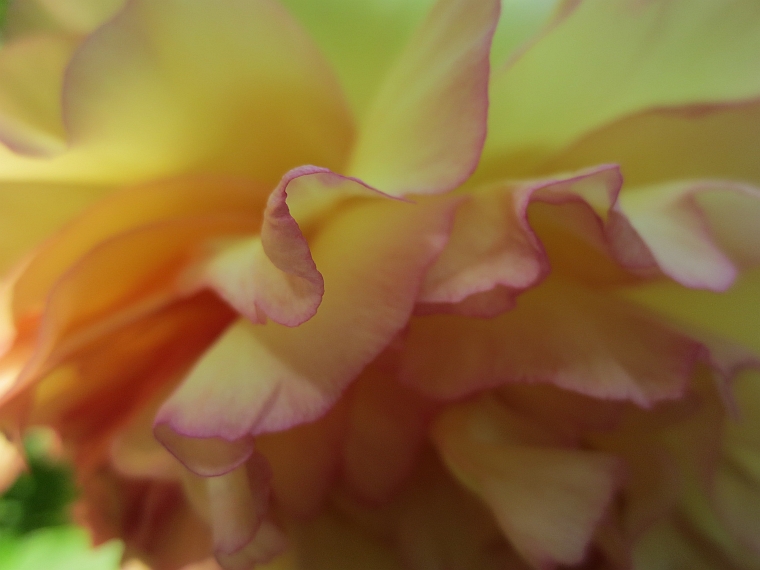
It opens the size of an average peony, staking its salient claim by way of its unique fragrance. This isn’t the sweet scent of the old-fashioned peony – this is one spicy electric jolt, with a heady zing and a zesty tang. It’s heavily weighted with a strong tea base, but interspersed with lighter citrus notes, themselves dappled with pepper, that lift it into another realm. While the distinctive cologne is enough to set it apart from the pack, the show has only just begun. The next part is simply miraculous.

As mentioned, upon first opening, the bud and bloom are the size of a regular peony. Yet were you to lift it, you would feel the weight and density of a tightly coiled compression of flower power, that, once the sun comes out, and the cycles of a couple of days pass, grows and grows and grows. It doesn’t just open, it actually increases in volume, spilling out of whatever vase you may have inadequately supplied (one per vase is more than enough) and bursting up and out like a super slow-motion explosion. These are monster blossoms, becoming a bouquet unto themselves.
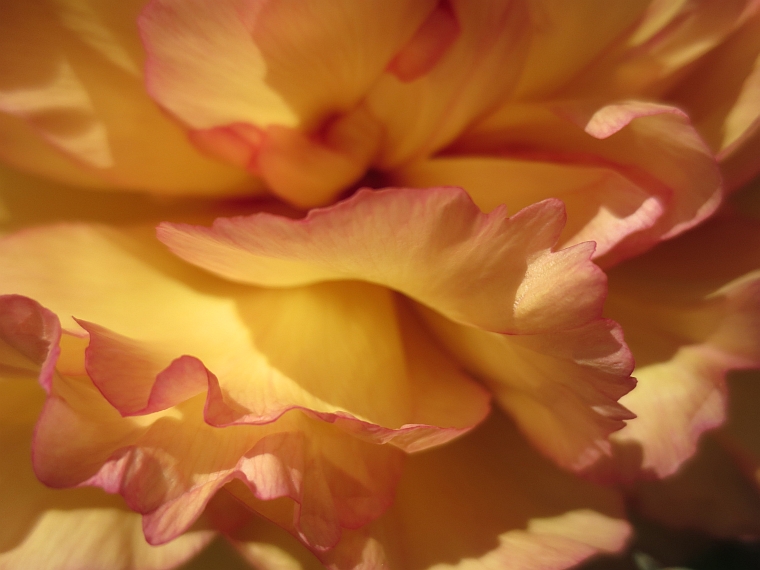
To highlight the show, the colors and shading get in on the action, the petals starting off a soft peach subdued by buttery yellow before gradually deepening into a salmon. The throats of the petal then begin to burn from the base, with hearts of ruby red tinged with fuchsia, like a more delicate version of a peach without the pit. As the bloom ages, the edges of each petal become just barely bordered by the thinnest line of blood red. It is a mesmerizing effect that reveals continually escalating layers of beauty, giddily assaulting all the senses in a display that both burns brightly and glows quietly.
Most tree peonies are grafted onto the more rigorous roots of their herbaceous cousins. While the herbaceous form should only be planted one or two inches beneath the soil line, tree peonies should go much deeper, as the hope is for the tree portion to develop its own roots along the way. Also, they should be allowed to grow into shrub form, so no heavy pruning back until you see what survived the winter. (For that reason those in the upper zones of their hardiness may wish to consider a bit of burlap protection where the winters get harsh.)

Continue reading ...

The Peony Parade Begins

Peonies are one of my top three flowers (poppies and iris rounding out the rest) and this past week they have been in their prime. A spell of 90 degree days took the wind out of the early bloomers, which lasted far less than usual in the excessive heat (I saved a few by bringing them into the shaded coolness of our living room) but the cooler days of late seem to be keeping the mid-to-late bloomers intact for their traditional duration.

The fragrance reminds me of childhood, when the neighbors would grant us the luxury of a big bouquet of the peonies, which they grew in a long border along their fence. The perfume filled the first floor of our house – I smelled them before I saw them, having bounded downstairs before being instantly stopped by the brilliance of their perfume. It was the first time the scent of anything stopped me in my tracks. Such is the power of the peony.

Continue reading ...

Lilac Come Lately

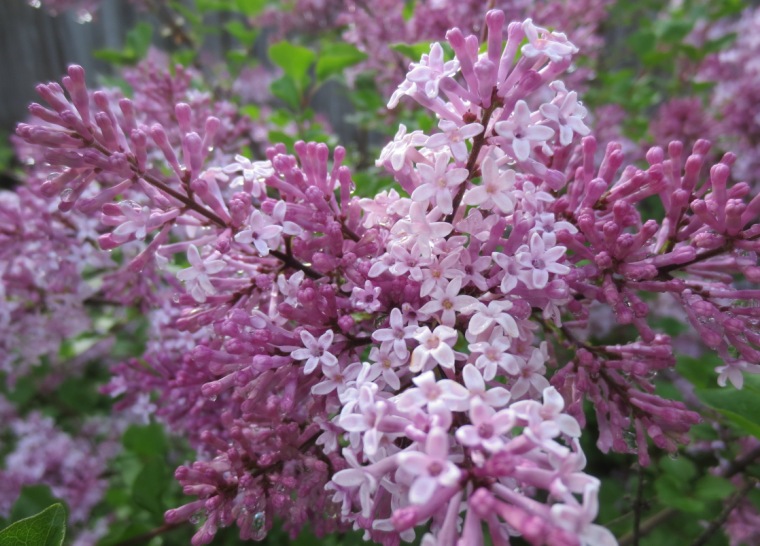
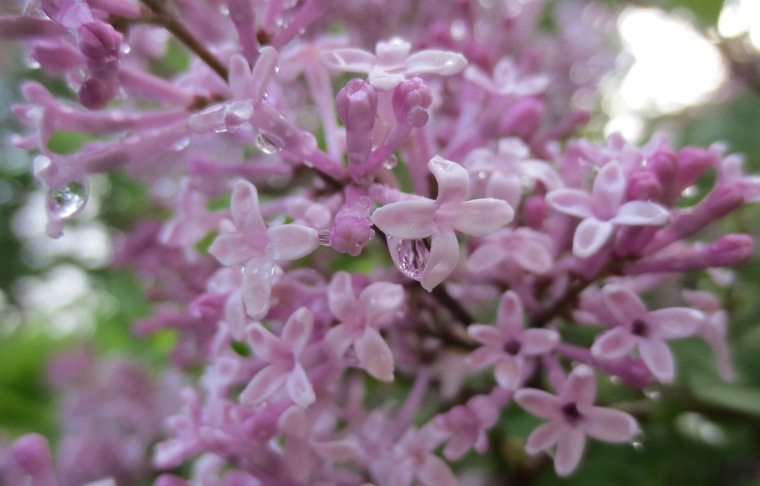
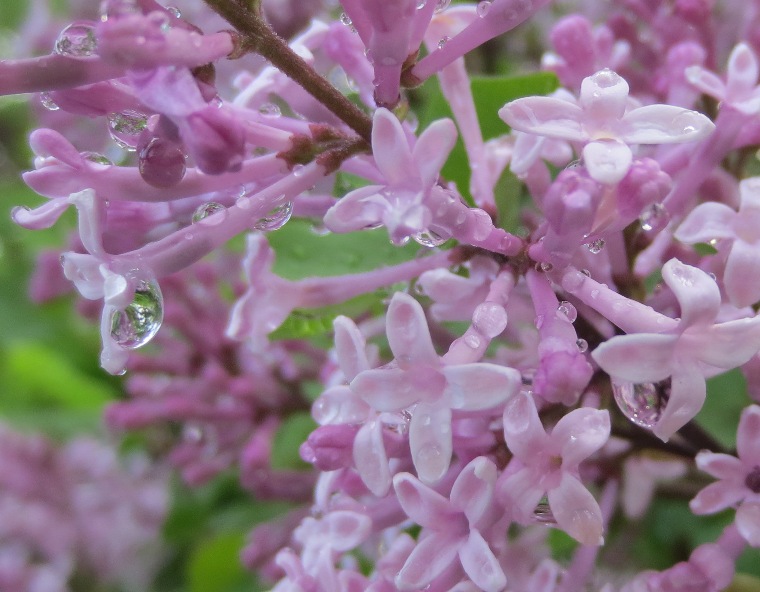
Behold the Korean lilac. While smaller in stature and flower than its New England counterpart, this one blooms just after they finish up, and lingers a little bit longer (if temperatures aren’t in the 90’s). For that reason, among others, I find them invaluable. Their smaller leaves are more refined, but do not be fooled by their delicate appearance – they are hardier and less susceptible to mildew than the natives. The blooms are decidedly on the pink side, and the fragrance is just as strong as the traditional lilac, but with a slightly sweeter lilt.

These can be trained into small tree form (I once saw an exquisite specimen done in this manner beside a church. Drawn first to the fragrance, I looked around for a while before realizing its somewhat unassuming smaller flower sprays were the source of such perfume.)

Mine remain as bushes, imbuing the backyard with their potent olfactory effect. Plant them in a bright sunny spot where they can be appreciated, near the doorway or by the pool, to maximize enjoyment.

Continue reading ...

Sweetness Follows

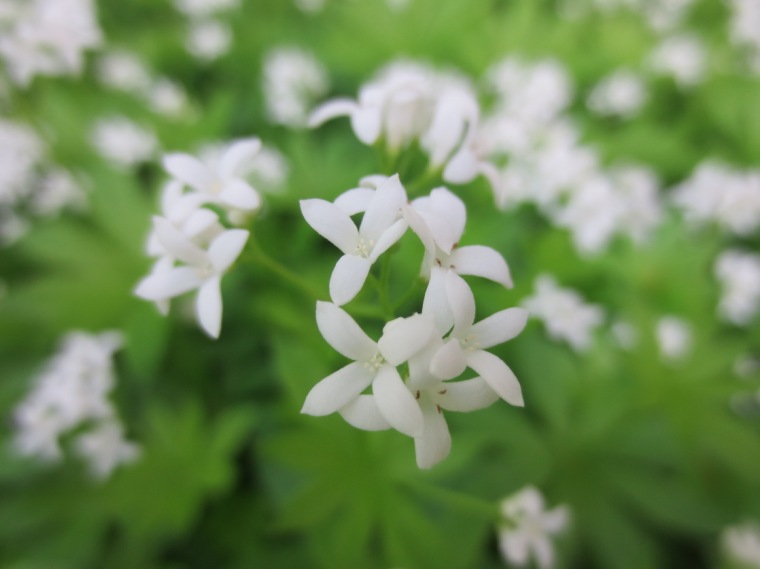
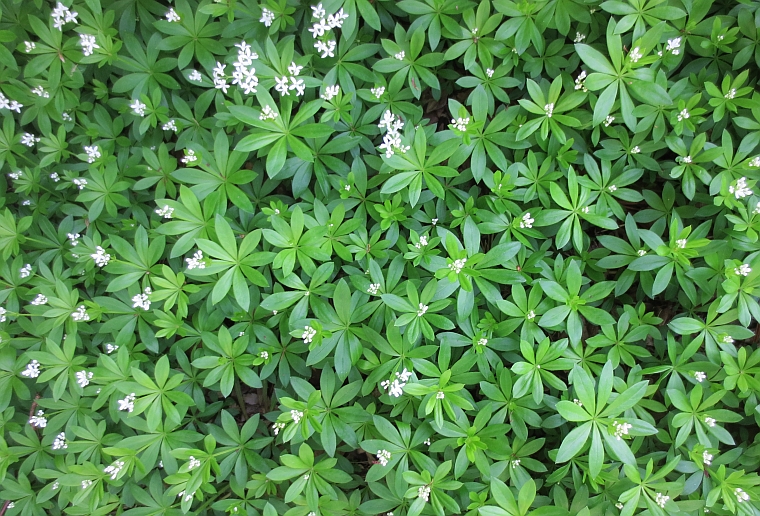
The charm of sweet woodruff has been documented in these pages prior to now, but it’s in full bloom both here and in Maine, so here’s a pair of photographs that I particularly enjoyed. With such small, airy blooms, the effect of these plants is largely lost in photos, but these come close to conveying that ephemeral magic, at least as best as can be conjured with a little green Canon Elph.

Continue reading ...

An Old Love Rekindled

Every great love story begins with a first look. And the first time I laid eyes on Asarum, I was in love instantly. It was love from afar, as I only saw pictures at first. The White Flower Farm catalog teased my first glimpse of this beautiful plant, putting it together as part a collection that also featured some hosta and astilbe. The fleshy leaves of Asarum europaeum comprised one of the more subtle performers, but I loved their unassuming texture, the mottled accents of their veins, the tiny hairs lining the edges. It was the love of a single plant like this that fostered a greater, all-encompassing love for gardening.

That’s how it began for me – a fascination with a few individual plants. The butterfly-like floating wonder of a Siberian iris blossom ~ the geometric perfection and wondrous propagation techniques of a Sempervivum ~ the graceful arching beauty of a branch of bleeding hearts; this was how the seeds of my gardening life were sown, and once they took root, there was no stopping any of it. How strange that something as little as a single Asarum could spark such a grand lifelong passion. The biggest surprises often come from the smallest, unlikeliest sources.

Continue reading ...

A Ginkgo Grows in Albany

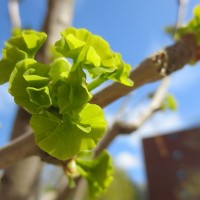
Though the feature photograph here was actually taken in Boston a few weeks ago, I’ve noticed that several ginkgo trees have been planted on Broadway in downtown Albany this spring. It makes me quite happy, as the ginkgo is one of my favorite trees. I’d have one myself if we had the space, but these can grow into some pretty big specimens, albeit rather slowly.

Their ruffled, fan-shaped leaves always looks fresh, especially when they first emerge in the spring, after which they slowly ripen into a deep green with a silvery underside. Fall color is a bright yellow, resplendent in the sun of September and October. They are one of the oldest trees we have here, said to date back to prehistoric times. That kind of perseverance is admirable, and those survival instincts are impressive.

Continue reading ...

Woodruff Oh So Sweet

Since it is one of my favorite plants, the spread of this Sweet Woodruff (Galium odoratum) is not an unwelcome bit of invasiveness, at least at this point. Started from a few small clumps gleaned from my parents’ backyard (where it has also made a decent-sized mat), it has spread and formed a lovely groundcover in two areas. I may transplants a few divisions and let it take over some of our unkept area on the side of the house (where it will hopefully choke out some of the more annoying weeds).

I’ve read that some people use the leaves of Sweet Woodruff to make May wine. Personally, I prefer my wine at every month of the year, and without the wait of fermentation and such, so there will be no wine from this green carpet, only the white blooms currently in their glory.

Continue reading ...