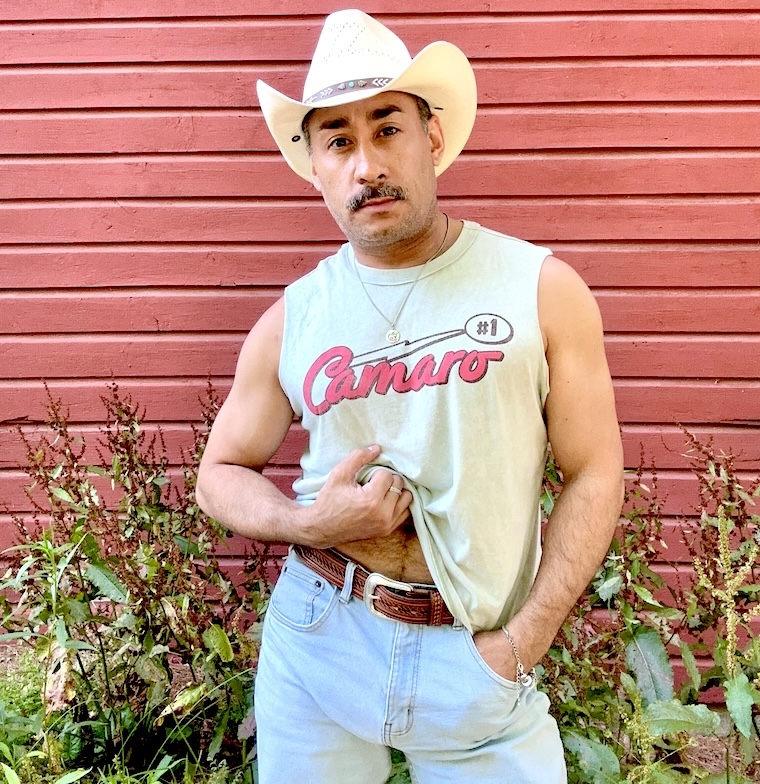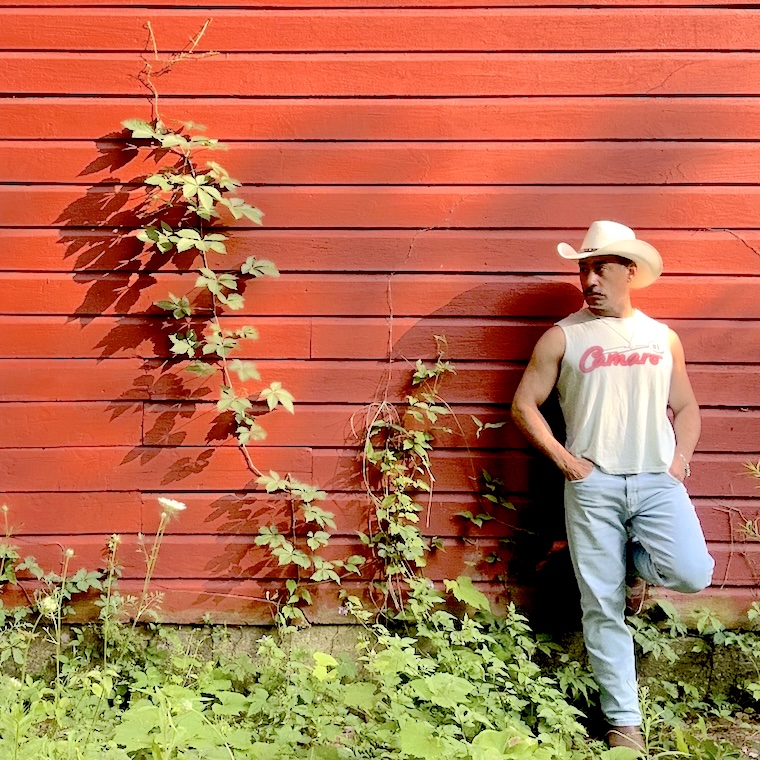
Growing up in the small town of Amsterdam, New York meant I was more on the town side of things rather than the rural landscape that was on the outskirts, and the only barn I frequented as a child, and not very frequently at that, was a fast-food joint called The Red Barn. It actually looked like its namesake – a large open-aired barn-type structure of red that stood in a shopping plaza off Route 30, right next to the old-school drugstore called Fay’s. Nearby in the parking lot was a tiny little photo-development place called FotoHut or something that, which was literally the size of a closet. It’s where we would get family photos developed. At the dawn of the 1980’s, this is where my childhood was taking place, and if it feels quaint now, it definitely didn’t feel so at the time.
The Red Barn was supposedly one step up from McDonald’s and Burger King, and several steps down from the most basic of restaurants, and naturally as a kid I loved it. It was always a toss-up between that and Arthur Treacher’s when it came to treats our parents occasionally afforded us as children – kids loving anything salty and fried and coming with the possibility of soda. We rarely got such things at our healthy home-cooked kitchen, so the Red Barn was a rare treat and exercise in how the other half lived.
Class distinctions for someone of relative privilege, such as myself, didn’t go very noticed at the age I was when we visited the Red Barn, nor for some years after that. That comes with privilege, because comfort doesn’t demand notice until such time it is removed.
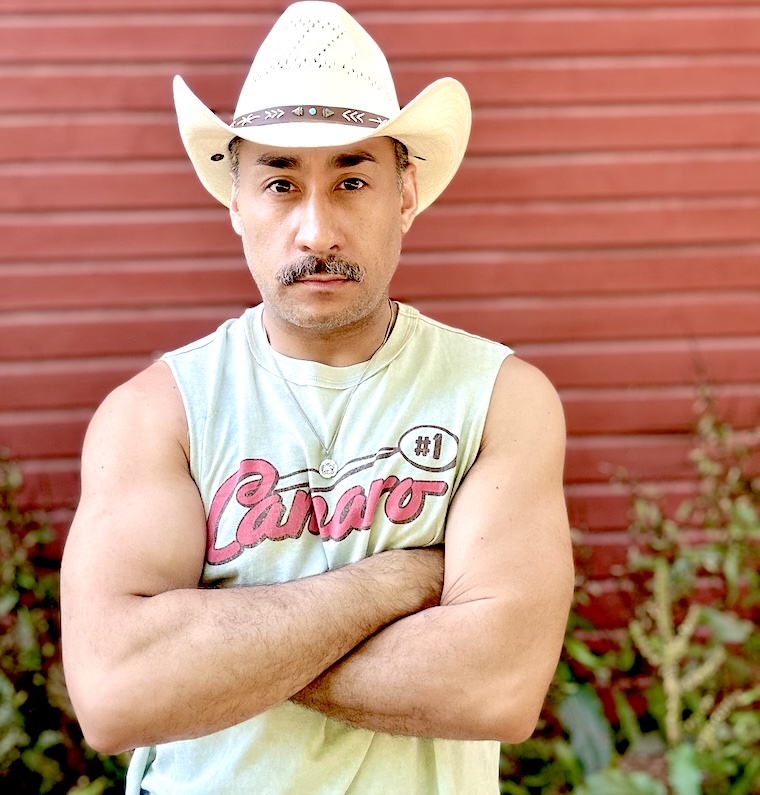
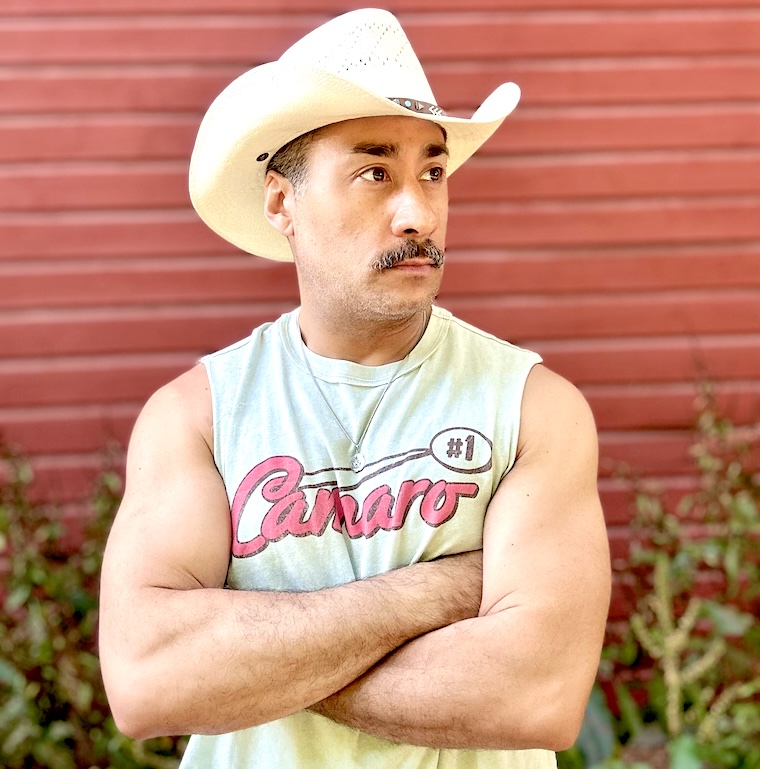
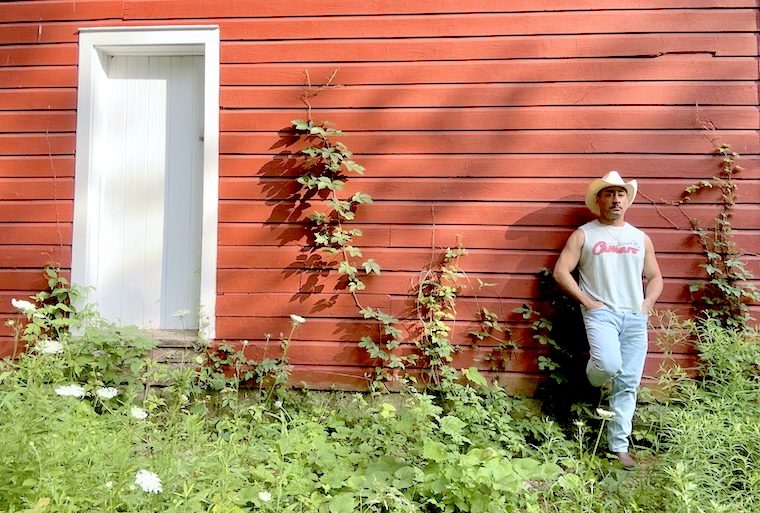
Cowboys often clash with culture and class, and this space is too small and limited to offer much more than passing glances and surface rumination on that. Instead, a pose before a barn painted red will have to suffice, positing its own questions based solely on imagery, and a pieced-together history that I can barely even remember anymore.