Category Archives: Gardening

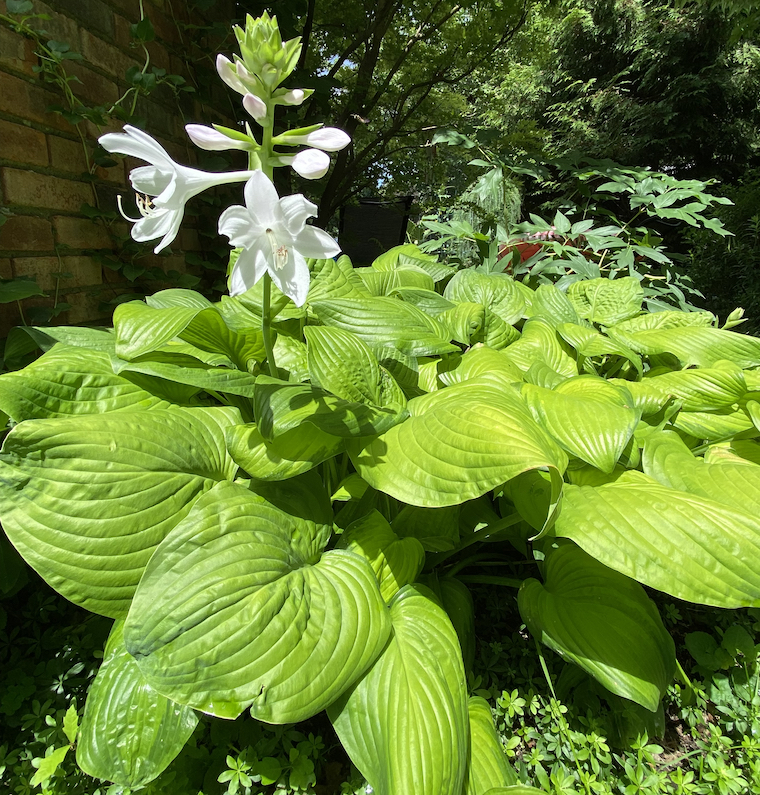
The Annual Under-appreciated Hosta Post

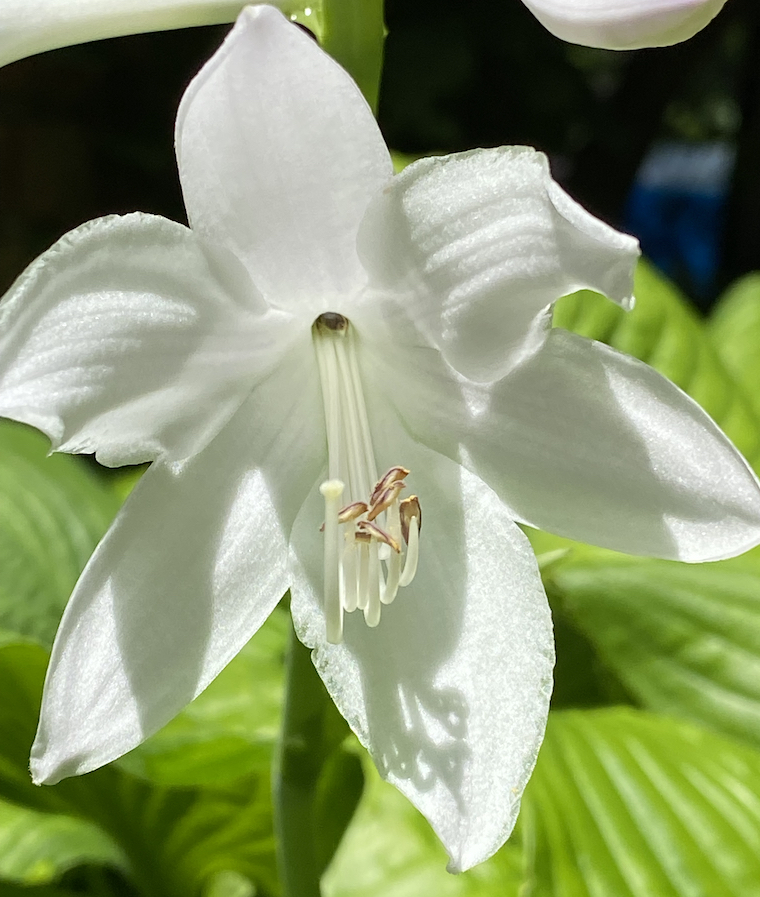
By this point in time, the hosta has been celebrated here enough, dispelling any notion of being ignored or under-appreciated as referenced in my lazy blog post title. Hey, this website has been around for almost twenty years, you try thinking of something new and exciting that hasn’t been said before. I’ll wait. 

Sorry, it’s Tuesday, and Tuesdays bring out the worst in me. They are so much worse than Mondays. On Monday we all expect things to suck, so when they are even semi-bearable they never seem quite as bad. We forget about Tuesdays, and how awful they can be, so they feel so much worse. I digress, and quite a bit, as we are supposed to be honoring the hosta

A number of our hostas were eaten in the early spring by our over-zealous rabbits just as they were poking through the spring soil, and at the worst possible time. (I’m told this is the stage that humans can consume their tender shoots too, but I would never do that to such a beautiful plant.) The bunnies took no heed of that kind of restraint, and promptly tore through several clumps before the poor plants could even get going. 

The hostas rebounded slightly, throwing out a few new spikes of leaves to unfurl, though many were marred by the rabbit’s bites. Slugs have also proven to be a problem in this hot and humid year, and I haven’t gotten around to buying a six-pack of beer to lure and bloat them with beer bellies. It’s simply been too hot, and sometimes you have to let nature take her course, trusting that she will protect what needs true protection. 

Gardening remains a ruthless game. The hosta knows this, and will not ask for more. 
Continue reading ...

A Lone Cucumber Rises

Suzie gave us a big rectangular planter, designed for tomatoes, a few years back. We’d used it for tomatoes, and they did all right, but I wanted to try sugar snap peas, as the support cages seemed ideal for their tendrils and vines. I put in a six-pack of them early in spring, and after making some decent headway, they were promptly eaten t the dirt by our resident baby rabbits. 

Undeterred, they put out new growth immediately afterward, and I actually managed to get a single early pea pod – all sweetness and freshness and green goodness – before they were entirely felled by a midnight rabbit attack. 

Discouraged by this, I sowed a pack of cucumber seeds with a dash of annoyance, not really caring whether they made it. They broke through the dirt, took over where the peas left off, and just as I was beginning to get excited for cucumbers, the rabbit feasted on every single vine. 

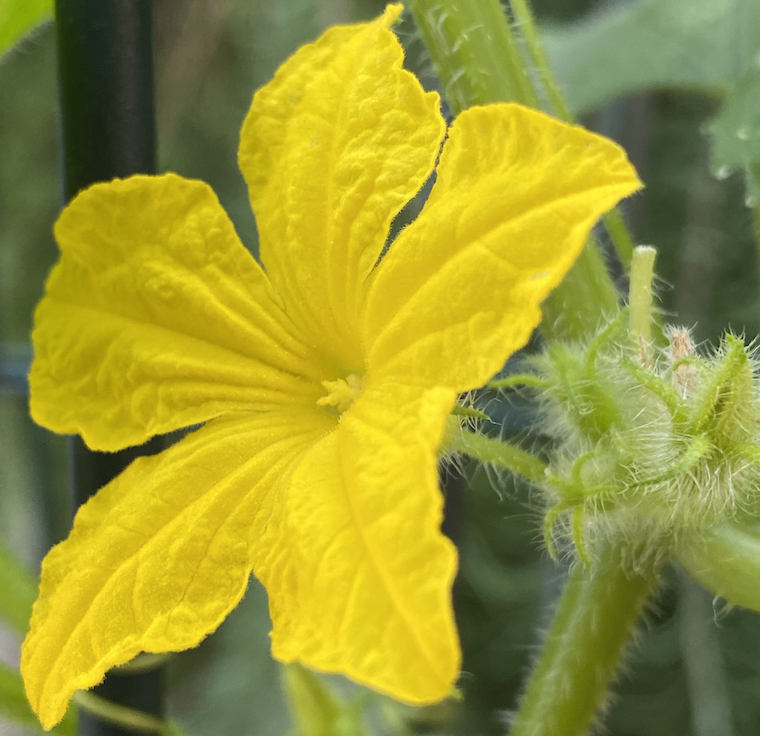
Completely over it, I rolled the planter to the side of the patio and didn’t bother with Plan C. I forgot about it until I noticed a little green growth a few days later. There was one vine in the middle that sprang to life, deep inside the cage and perhaps out of reach of rabbit bites, and this vine rose and rose until a few bright yellow flowers hosted a couple of bees. It’s far too soon to count our cucumbers before they’ve even begun to hang, and chances are the rabbit will find a way in any night to eat it all up before any fruit forms, but I’m holding onto hope again, because that’s what summer is for. 

Continue reading ...

A Morning Classic

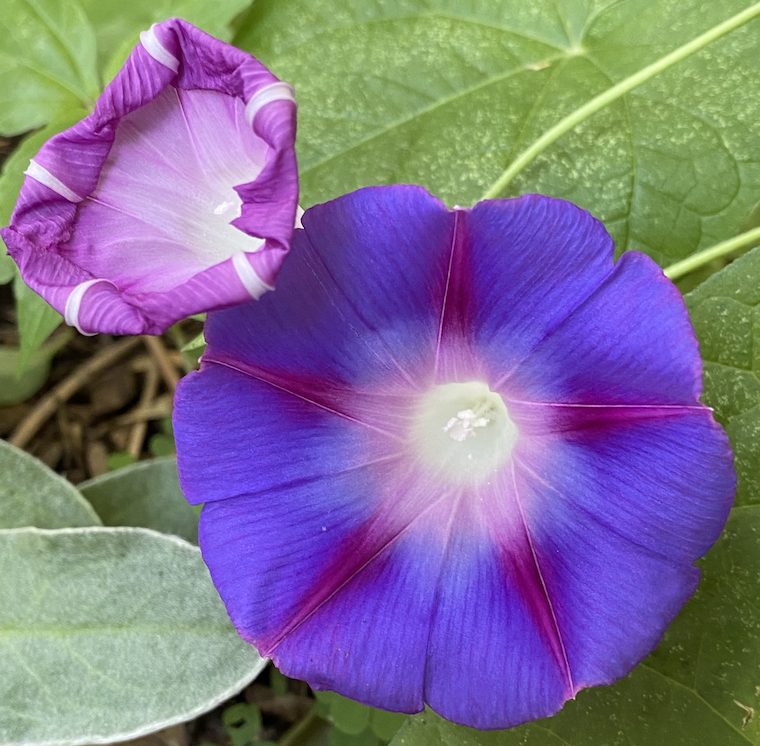
Summer is personified by the morning glory – echoes of sky and sunsets may be found in the shading of its blooms, open mostly in the morning and giving name to its fleeting magnificence. Those blooms have been hybridized to encompass all sorts of shades, though my heart will always below to the big, basic sky blue of the common variety. These smaller versions pack a more powerful color-punch, however, so they get much of the glory these days. 

I don’t plant them anymore as they tend to be weedy and prolific re-seeders, but I’ll usually let a few get by so we can see what the flowers look like. They also come into bloom when the rest of the garden is beginning its first exhale from the charge of summer, and will see it through to the fall

Continue reading ...

Rebloomers

One of the most charming gifts the garden can bestow is the occasional moment of reblooming. Many plants have one showy season where they bloom their heads off, then promptly settle in for foliage-only for the rest of the season. Once in a while, a spring bloomer will re-bloom later on in the summer. Often this happens when the nights return to cooler form, perhaps promoting the conditions of spring rather than the heat of high summer. Sometimes, they simply get a second wind, as was the case of this Korean lilac, which is putting forth a few stems of new buds right now, when we need it the most. 

Its fragrance is one I associate with the freshest and brightest days of spring, when it typically comes into bloom on the heels of the native lilac. I like that it extends the lilac season, and its leaves remain fresh and unmarred by mildew through to the fall. (Our other lilacs and peonies are already graying with the heat and humidity we’ve had of late). 

The perfume is the jolt of freshness the gardens needs at this time, casting a reinvigorating spell over those who happen upon its sweetness. 

Continue reading ...

A Favorite Returns in Bold Form

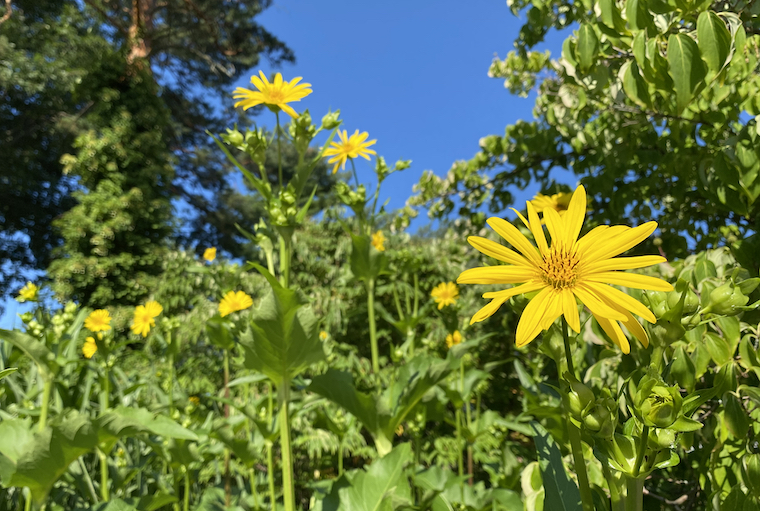
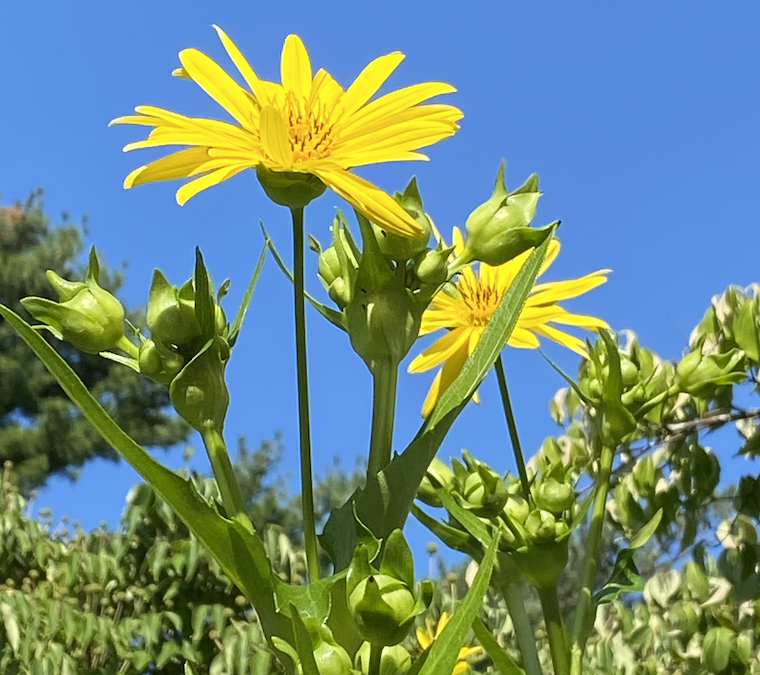
This is the time of the year when the cup plant comes into its own. Having established several large clumps in our yard, we have islands of sky-high yellow blooms to which gold finches and butterflies flock from miles around. Not only do the flowers provide nectar and color, the leaves form little cups where they emerge from the strong stems, collecting rainwater and offering it to the birds for a complete buffet. It’s one of the most charming things the summer garden provides

The plant itself makes a bold statement in size and stature, but the flowers are small and dainty, fluttering high above the stems to reach for the sun. They are especially striking against a blue sky. 

Continue reading ...

The Persistence of the Petunia

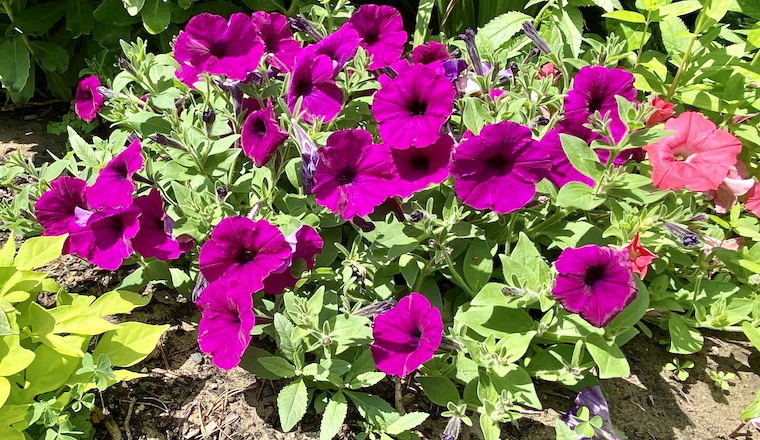
My pessimistic side – sometimes the only side I have to display – chalked up the loss to the acceptance of a cute bunny that ate almost all of the first leaves of these petunia plants – but pessimism joyfully lost out to summer persistence. Here is that ravaged batch of petunias, now in full and glorious bloom. They had been making quiet strides of healing and growth, sending out new leaves and buds, as if reinvigorated by their harsh pruning so early in the season – a game of catch-up and bloom like it’s not going to last. 

The bunny did its bit of damage, but there’s now a groundhog on the loose, so this pretty scene is probably of very-limited duration. I will take it and offer gratitude for as long as its prettiness lasts. A lesson of the fleeting nature of summer, perhaps felt more keenly than in any other season. 

Continue reading ...

A Queen Faltering

This lovely pink/peach-hued cloud of a flower cluster belongs to the Filipendula. More commonly known as the Queen of the Prairie, she holds these flower umbrels high above the prairie, upwards of five feet tall. She attains such size and stature when afforded a wet and consistently moist piece of land. 

A few years ago I planted this one, and didn’t give her the extra water and care she wanted/needed, so she survived but didn’t thrive. She would return, sending out runners to different locations (never a desirable trait for a struct Virgo gardener, but entirely understandable in a difficult prairie situation). When other plants in her proximity demanded more water, she finally got her happy place and started blooming like this. 

That said, those haphazard and unpredictable runners had her popping up all over the place, including at the very front of the border, reserved for smaller edging plants and not conducive to something of this size. I allowed her a few seasons of this, but we’re at the point where all these not-so-little stalks simply have to be pulled. 

Another drawback is that without staking, some of the tall stalks end up falling over. If not corrected immediately they will simply bend upward, contorting into all sorts of weird and undesirable angles. With all these issues, I may have to gift this one to someone with an actual prairie where she can roam freely and unfettered. 

Continue reading ...

Bamboo Summer

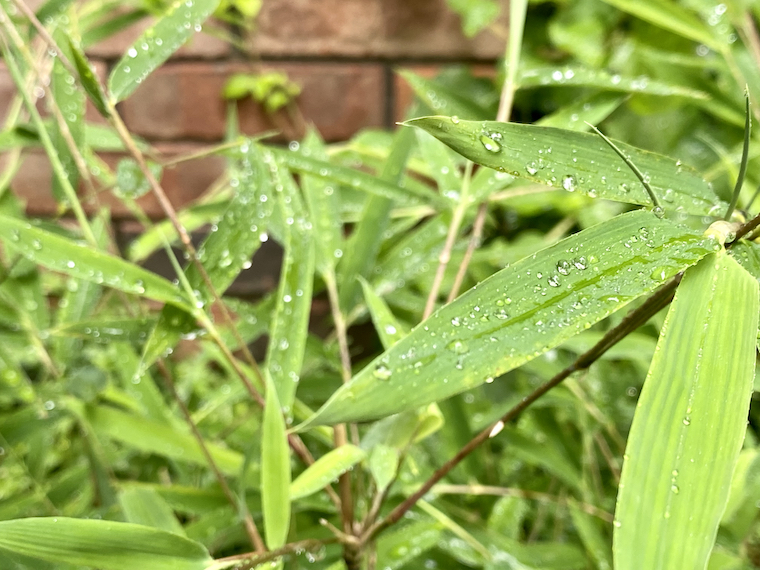
Our collection of ferns gets all the credit for the tranquility they conjure even on the hottest summer days, the same magic could be claimed by the fountain bamboo, which cradles raindrops and morning dew in exquisite beauty to rival the finest fern. When Andy and I first moved into our home in 2002, I promptly planted two fountain bamboo plants. It took a couple years, but they eventually grew into the gracefully arching clumps for which the fountain bamboo is rightly renowned. They softened the corners of our new house, each creating a calm turn along the garden border. It was a marvelous effect, but it was not to last. 

The fountain bamboo flowers once in its lifetime, then promptly fades out from all the effort. This bloom cycle only happens after about 100 years, and it turned out that the plants we had were from this batch. The flowering happens across the world, and masses of fountain bamboos were dying off in a period of a few seasons. It was sad to see them go, and I waited a few more years before trying to plant new ones, in the hope of avoiding such a scenario for another hundred years. 

The bamboo evokes centuries of history, as it should considering it’s once-a-century blooming cycle. Some plants have memories that stretch back longer than the lives of most people. They have seen the world in all its iterations, and they watch silently, without judgment or condemnation. I like such history, and such knowledge. It lends the garden a certain gravitas that should be respected. Plants are so often much more resilient than people. It is unlikely that we will be alive when these bamboos flower, and there is acceptance and resolve in that if you remain calm about it. The good part about planting new fountain bamboo is that we are just at the start of another hundred-year-journey. There’s all the hope in the world when you put it into that perspective. 

Continue reading ...

The Perennial Post

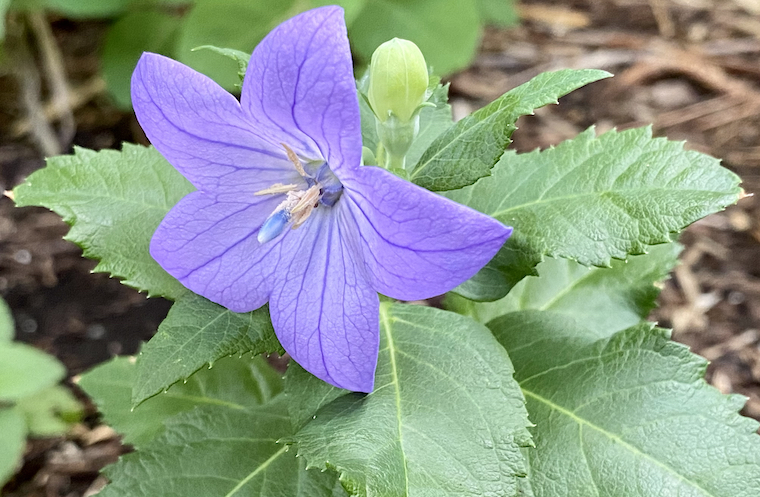
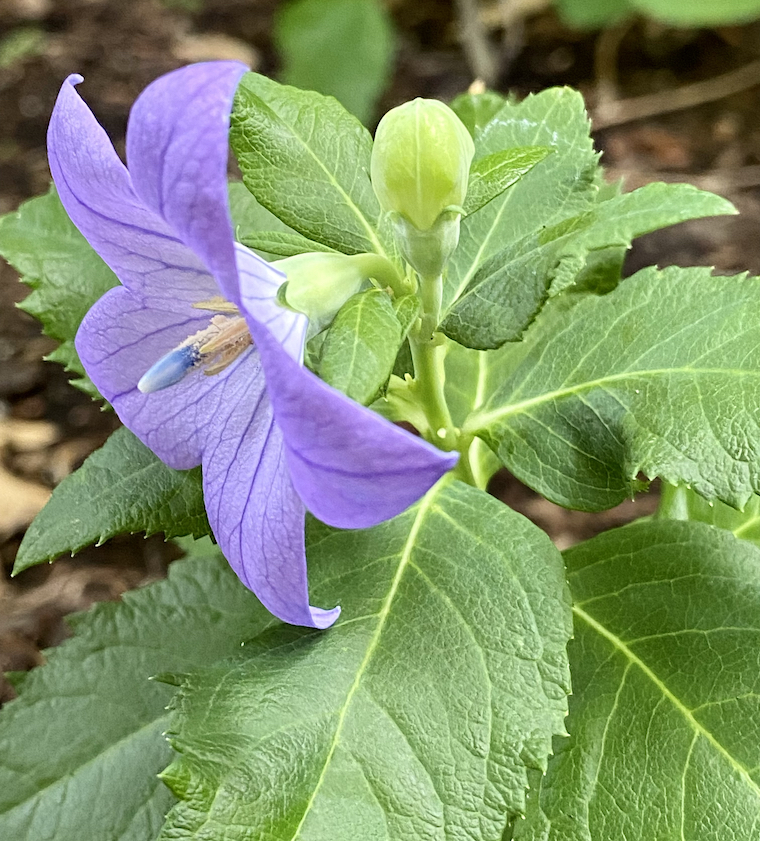
One of our unheralded performers, despite years of neglect (I’ve often forgotten about it completely until it sends out this balloon signal) is the balloon flower seen here. It reliably sends up a single unremarkable stalk of green on the late side of spring. By the time it appears, most other plants have filled in and hidden it from notice. 
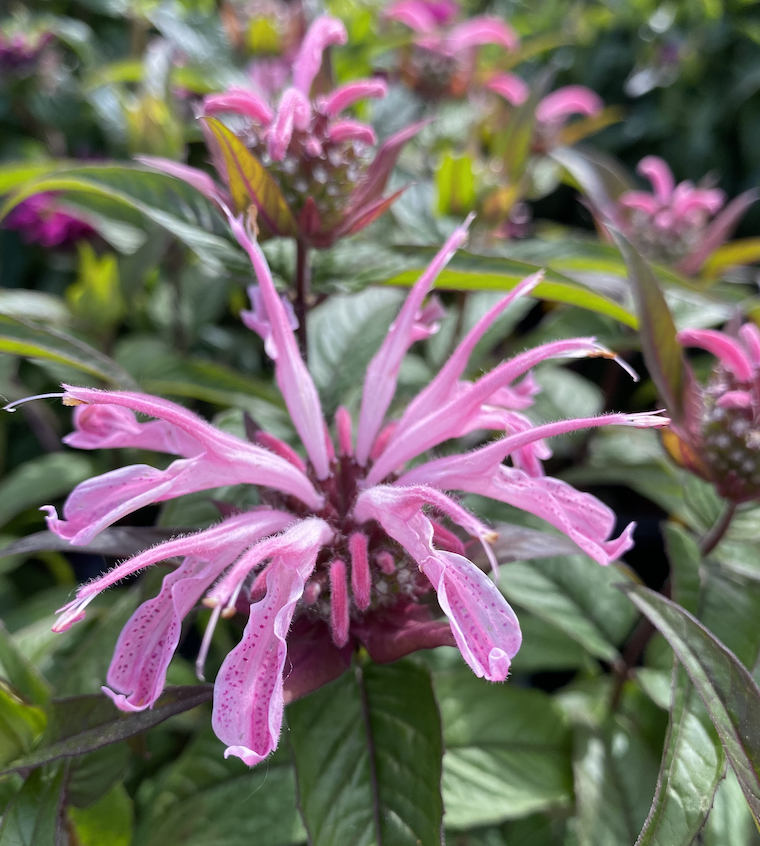
Then in July, and quite consistently, it sends up a bloom or two, presaged by the balloon bud you will see below. It’s an exquisite pattern that I’ve come to rely on, even if I don’t give it the attention, care-wise, that it deserves. Every year I promise to do better, and every year I fail to remember. 

Still it blooms, generously providing this mid-season beauty even when we don’t always deserve it. There’s a lesson of grace in that, and it’s one that I’m trying to learn. Bloom – no matter how badly you are ignored or treated – just bloom. 

Continue reading ...

Itty Bitty Blooms

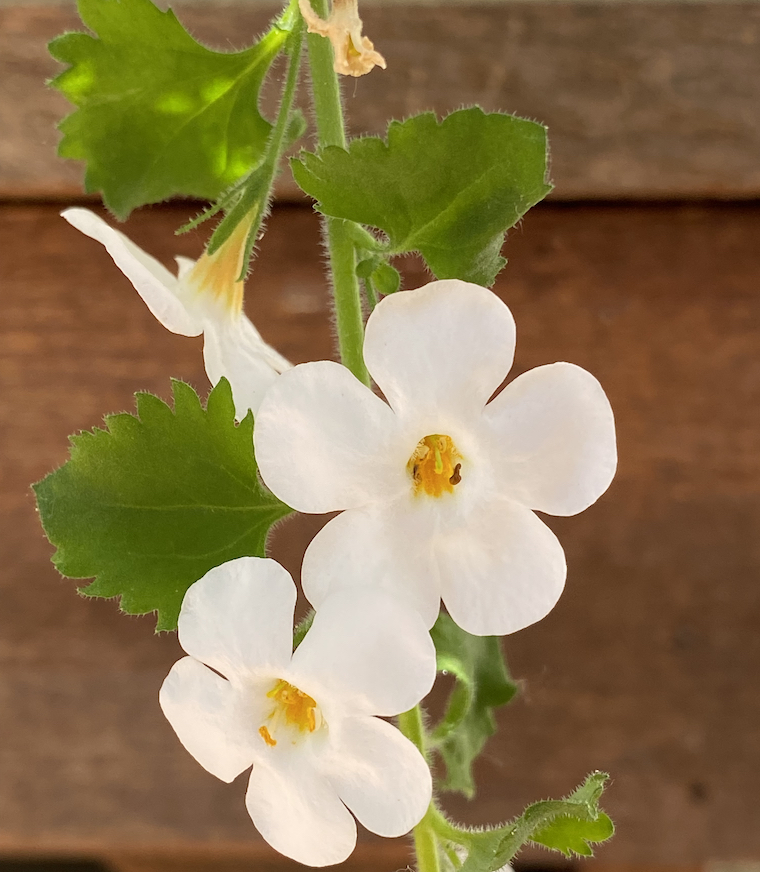
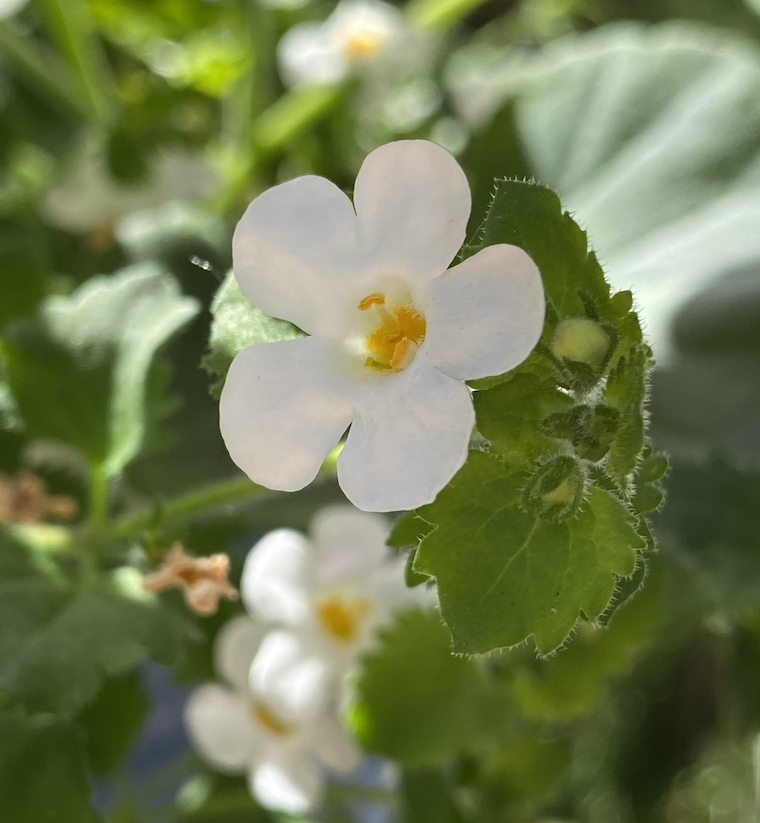
These little flowers were trailing out of a potted geranium that my Mom planted this year, and together they create happy duet of color, form, and prettiness. Despite the skewed perspective of these close-up shots, they are actually quite small in size, making up for it by number and sprawl. 

The whimsy of a container planting is found in its demand to be seen at close-range. It beckons the viewer closer, as if it were going to share some delicious secret. 

Continue reading ...

Vertranquility

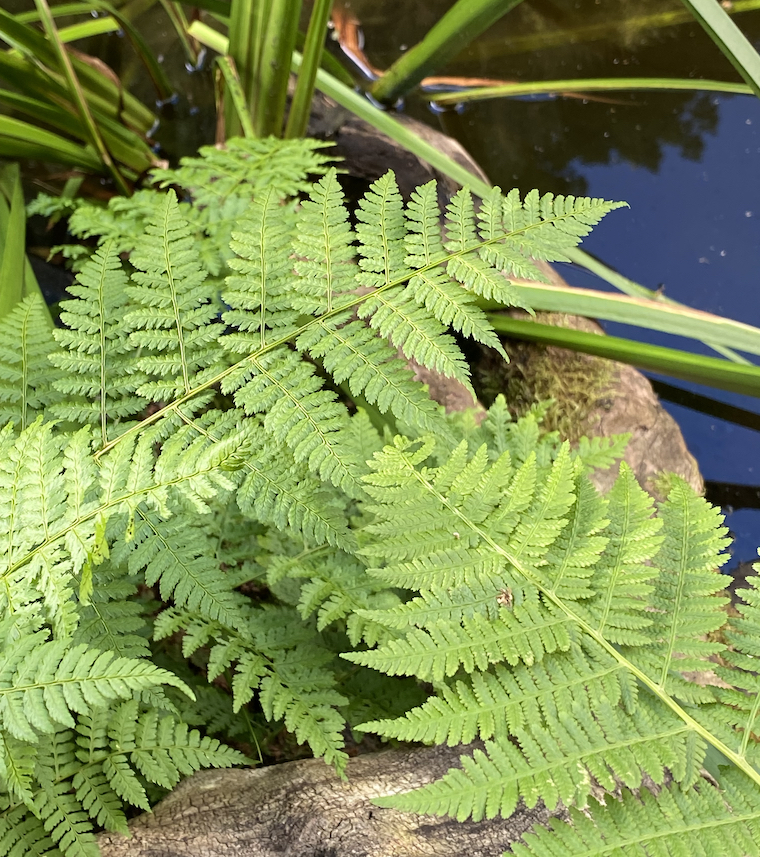
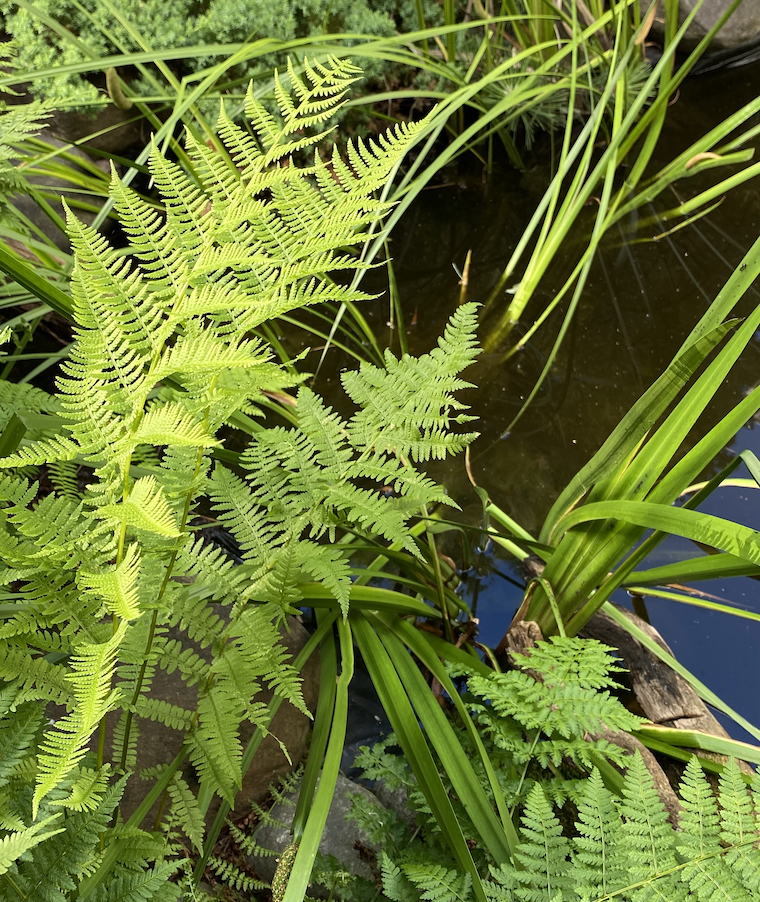
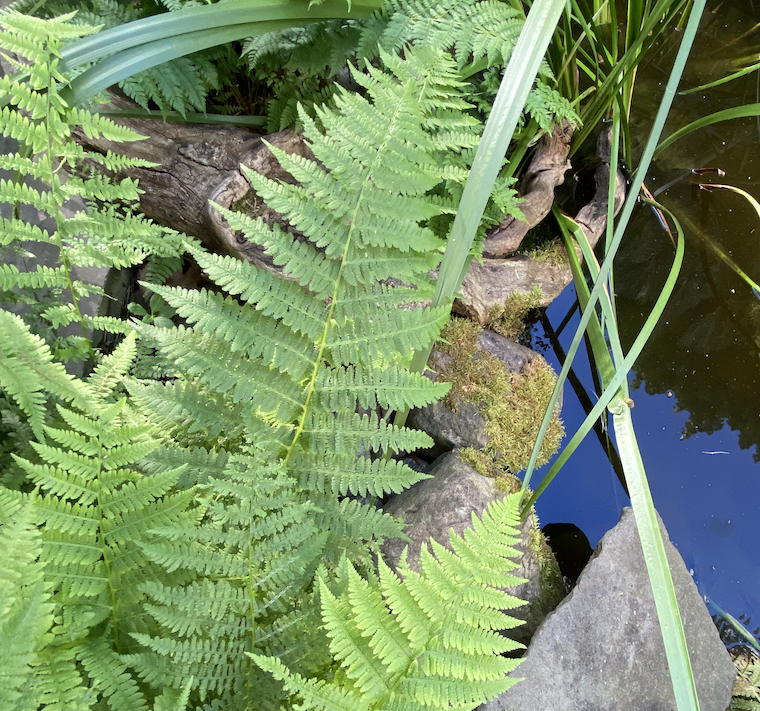
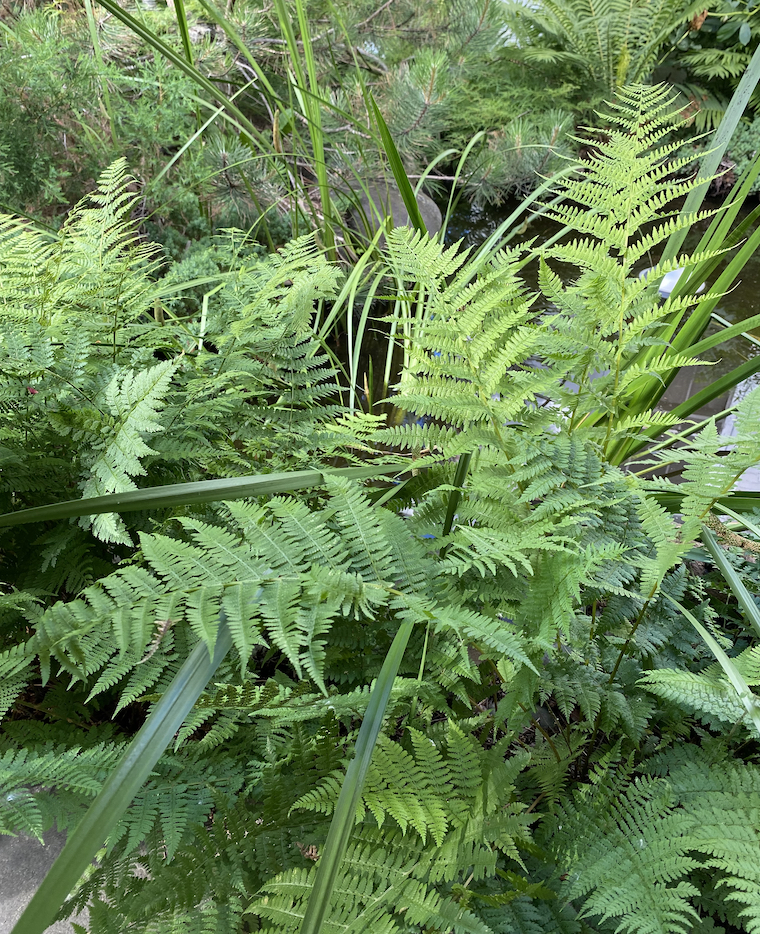
Perhaps no other plant produces quite the sensation of calm and tranquility than the fern does. With their graceful arching fronds, and often-intricately-divided leaves that look more like lace than some spore-sown terrestrial being, ferns run the gamut from tiny and delicate to towering and awe-inspiring. For our gardens here in upstate New York, ferns provide a varied and constantly undulating form that adds elegance and grace to any setting. 

With the exception of the potted Kimberly ferns that we replace each year, all of our ferns are winter-hardy, surviving the brutality of a Zone 5 snow and ice laden landscape, exhibiting a durability that belies their fine form. A beauty that’s also a brute – that’s my kind of plant

Aside from their hardiness, I grow ferns for the peaceful countenance they give the garden. Whether it’s the five-finger Maidenhair fern, with her stunning black stems and kelly green matte leaflets fluttering in the slightest breeze, or the dramatic ostrich fern, rising to four feet of bright chartreuse brilliance when its feet are kept wet and its fiddleheads unfurl to their full height, or the magnificent Japanese painted fern, which lives up to and beyond its name with some spectacular foliage that looks positively-painted-on by some genius alchemist of color, our fern collection is a way of keeping things cool when summer heat threatens to overwhelm.

In certain summer situations, simply arming the landscape with scenes of serenity can create the illusion of calm that ultimately lends a cooling effect to those present. That’s the real power of the fern, and we have it in plenty. 

Continue reading ...

A Pair of Pinks in Battle

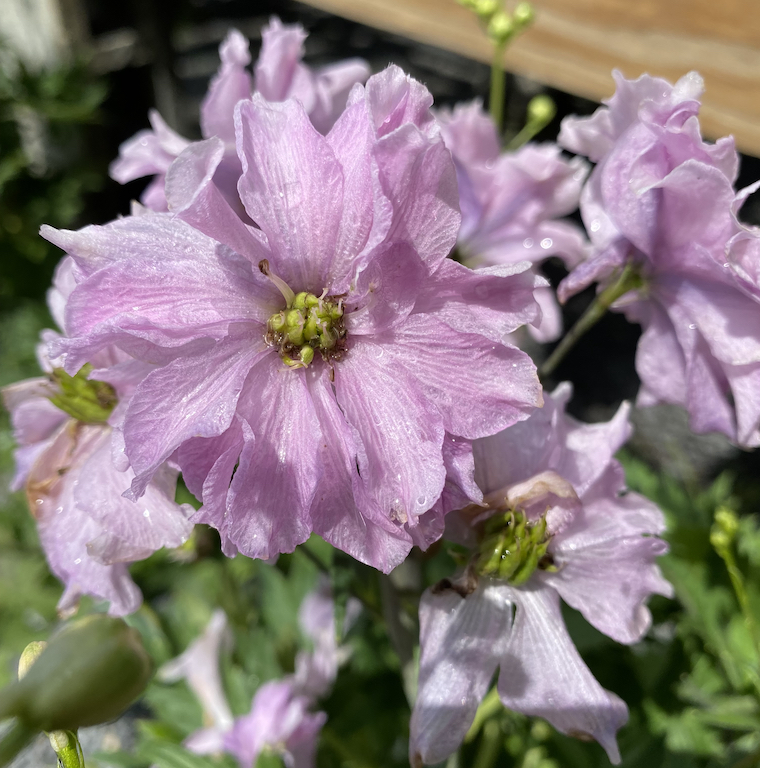
My gardening inspiration Lee Bailey had an interesting tale of the two plants pictured here – a foxglove and a delphinium. He wrote that for years growing up in the south, all he wanted to grow were delphiniums, but they never made it through those hot summers. As soon as he moved to Bridgehampton, New York he immediately planted a few delphinium plants, which quickly cowered and faded before the seaside winds and rain. He tried again, to no avail. 

Seeking a strong vertical accent, he turned to foxgloves, and though he initially considered them a mere substitute, he came to love them and their whimsically-unreliable biennial growing pattern. It was one of the best group of lessons I learned from him – to take a disappointment and turn it around, to try out something similar if what you originally wanted didn’t work out perfectly, and to compromise and be willing to bend when nature refused to go along with your well-laid-out plans. Such garden lessons were valuable for other aspects of life too. 

When I was at the garden center looking for new inspiration, I came upon these two pink plants – one foxglove and one delphinium, and I was reminded of Mr. Bailey’s words of wisdom. 

Continue reading ...

Get A Gander at This Weed

Asclepias – more commonly known as the butterfly weed – is in full bloom right now, its fiery orange flower heads acting as the perfect landing pads of butterflies and bees alike. It’s one of my favorite perennials in the border, and not just because it’s the favored meal of the caterpillars that eventually become Monarch butterflies. Its glorious color seems to perfectly embody the month of July – all fire and heat and brilliance. 

These plants like to be in a moist spot, where they can reach up toward the sun while their feet soak up the water. I believe they develop a deep tap root, which makes moving older specimens risky business best avoided if possible. They are so easy to get started though, we almost always have volunteers coming up, and if caught early enough they do well enough with a quick move. 

The bees love this too, which is how all the pollination happens. 

Continue reading ...

The Balm of Bees

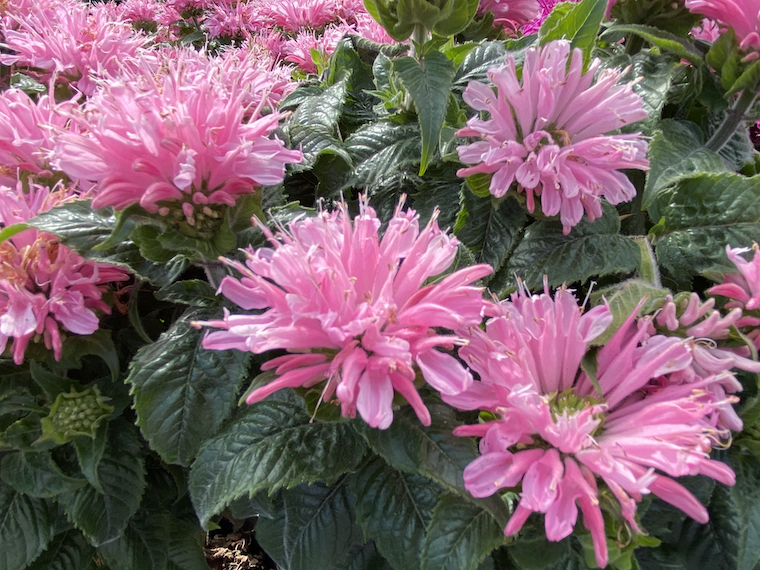
Bee balm, scientifically called Monarda, is one of those plants I grew many years ago, then got tired of maintaining and controlling its often rampant growth, so I took it all out. Lately, I’m looking for easy and slightly aggressive growers to take over and hold strong, so I may be getting another specimen if something catches my eye

A favorite of pollinators (hence its common name) it provides the sort of long tubular petals that appeal to our beloved hummingbirds. I’ve planted a number of hummingbird favorites in the hope of drawing back our many visitors last year, though thus far we’ve only seen a single one. Maybe a little/large patch of bee balm will entice more to come. 

Continue reading ...

When You Simply Must Pea

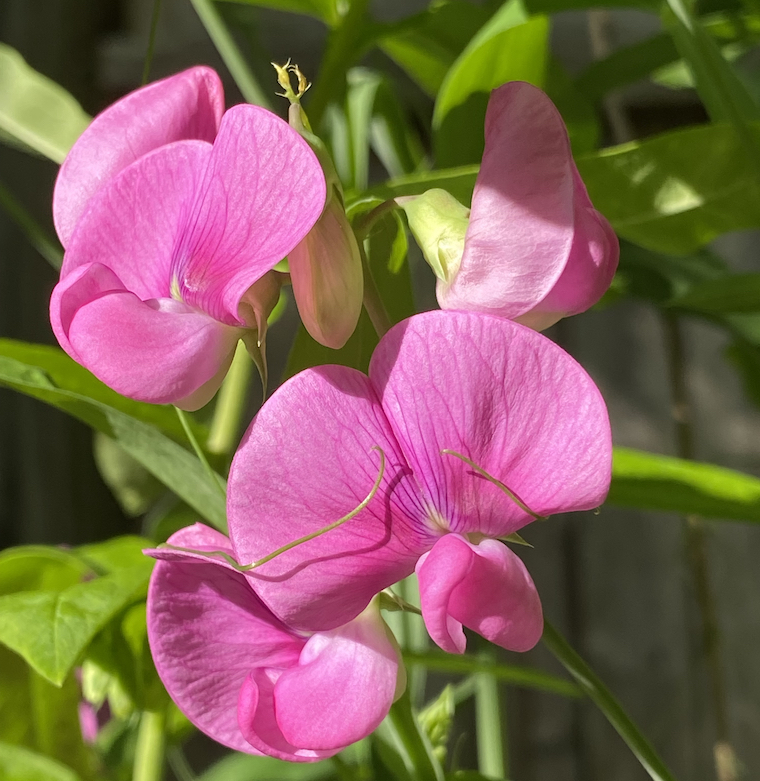
This wild sweet pea blooms in one of my favorite shades of pink, and I’ve allowed a single specimen of this otherwise-invasive plant to take up one small spot in the garden border, just to enjoy the color. It also brings a freshness to this time of the year, when the heat and humidity can really deflate the air and the spirit (we just had a 95 degree day as evidence of summer’s power). The leaves and blooms remain cool and unmarred by pests or wild weather, lending a brightness and vigor to the garden, coinciding with the crest of summer

It’s an essence that supplies the sense of coolness – these flowers don’t actually bring the temperatures down, but their visage calms and soothes the spirit with the matte foliage slightly imbued with shades of silver and gray, and the light green flower buds. It’s a case of mind over matter – necessary when the days run a little too hot, and mandatory for finding relief. We haven’t reached that point yet – all the heat and sun are still welcome and refreshing – but inevitably summer will tire us out. For now, I’m looking forward to being so spent. 

Continue reading ...